
Introduction to a Prolonged Campaign
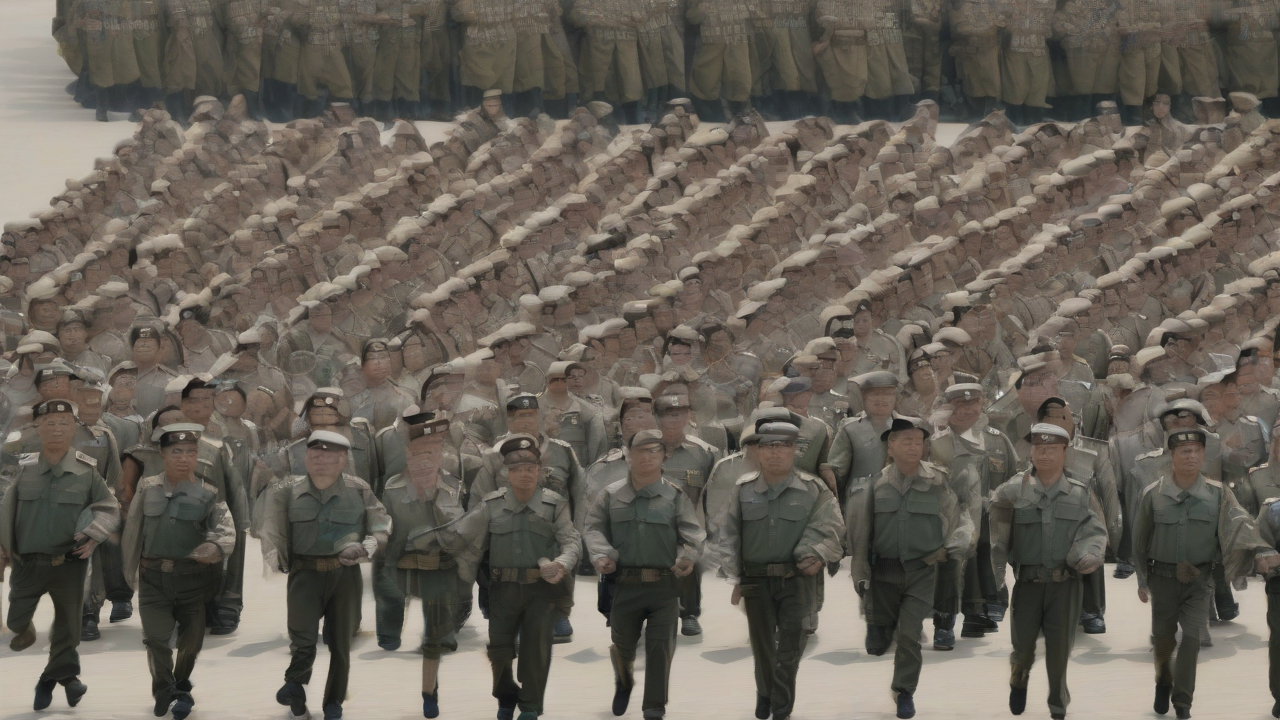
Fourteen years into President Xi’s tenure, his anti-corruption drive continues unabated, sparking intense debate among observers about its true motives. According to BBC World, critics argue that these purges are less about rooting out corruption and more about consolidating power and ensuring absolute loyalty within the military and government ranks. This perspective suggests that Xi’s campaign is not merely a domestic issue but has broader implications for China’s political stability and its relations with the international community.
Context and Implications
Analysts note that the prolonged nature of Xi’s anti-corruption campaign signals a significant shift in China’s political landscape. The campaign, which began in 2012, was initially hailed as a necessary measure to tackle deep-seated corruption within the Communist Party. However, as the years have passed, observers point out that the campaign has increasingly targeted high-ranking officials and military personnel, leading to speculation about Xi’s true intentions. The move signals an effort to centralize power and eliminate potential rivals, according to sources familiar with Chinese politics.
Expert Analysis
Observers of Chinese politics indicate that the ongoing purges reflect Xi’s determination to maintain a tight grip on power. By continuously “cleaning house,” Xi ensures that only loyalists remain in key positions, thereby reducing the risk of opposition to his policies. This strategy, while effective in the short term for consolidating power, raises concerns about the long-term health of China’s political system. Experts warn that such a system, devoid of checks and balances, can lead to unstable decision-making and undermine the country’s ability to adapt to changing domestic and international circumstances.
Impact on China and Beyond
The implications of Xi’s anti-corruption drive extend beyond China’s borders. The campaign has led to increased scrutiny of Chinese businesses and political entities abroad, with some countries expressing concern over the potential for Chinese influence operations. Furthermore, the perception of China as a country where political loyalty is paramount can deter foreign investment and complicate diplomatic relations. As reported by BBC World, critics argue that the true cost of Xi’s purges may be higher than initially meets the eye, affecting not only China’s internal stability but also its global standing.
Forward-Looking Analysis
As Xi continues his anti-corruption campaign, analysts will be watching closely for signs of how this might impact China’s political and military structures. Upcoming events, such as key political meetings and military exercises, will provide insight into the campaign’s future direction. Additionally, the international community will be monitoring how China’s actions affect global relations, particularly in light of increasing geopolitical tensions. The situation underscores the need for continued vigilance and analysis of China’s political maneuvers, as the consequences of Xi’s actions will undoubtedly be felt for years to come.
Conclusion and Future Developments
In conclusion, Xi’s prolonged anti-corruption drive has significant implications for China’s political landscape and its position on the world stage. As the campaign enters its fifteenth year, observers will be keenly watching for any shifts in strategy or signs of opposition. According to sources, the next few months will be crucial in determining the future trajectory of Xi’s policies and their impact on China and the world. With the stakes high and the situation evolving, one thing is clear: the world will be watching China’s next moves closely.


Reader Comments