
Rising Tensions in the Strait of Hormuz
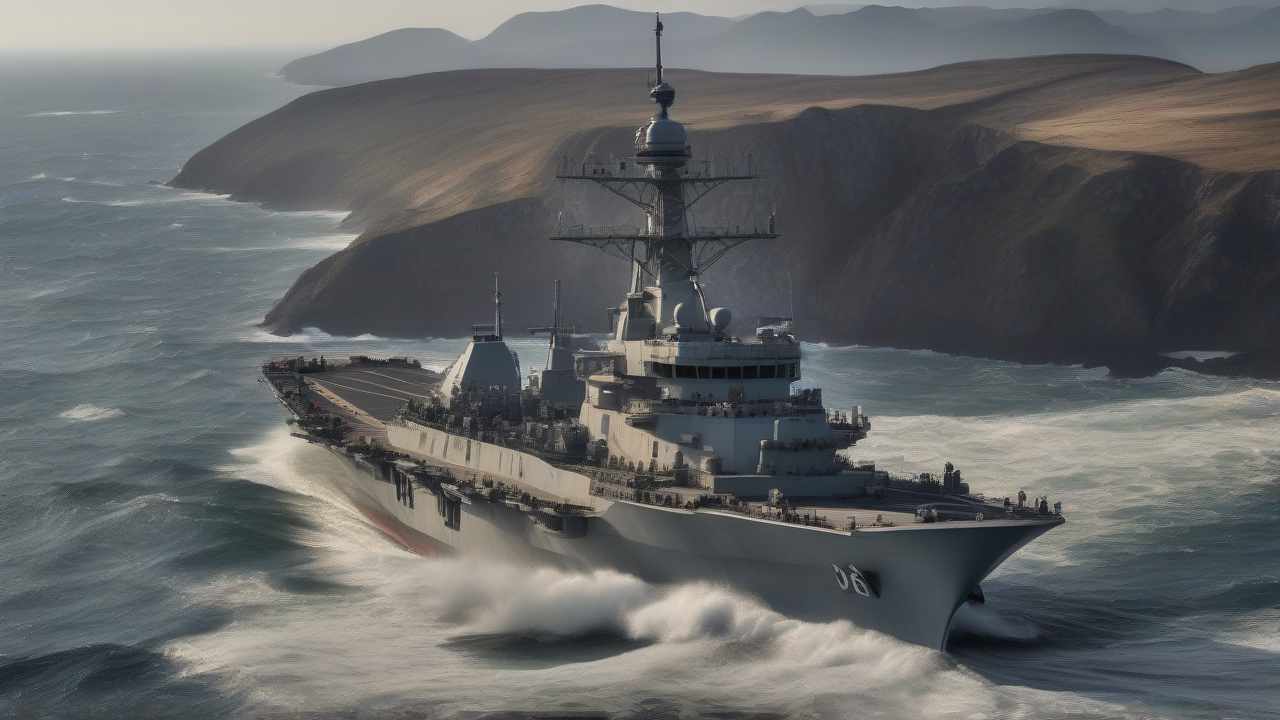
The European Union has rejected a request from the United States to provide warships to reopen the Strait of Hormuz, a critical waterway in the Middle East, according to reports from The New York Times and CNN. This development comes as tensions between the US and Iran continue to escalate, with significant implications for global oil markets and regional stability.
A Shift in US Policy
Observers point out that the US request for European assistance marks a notable shift in policy, as President Trump had previously insisted that the US did not need the help of its allies in dealing with Iran. However, with the situation in the region becoming increasingly complex, the US is now seeking support from its European partners. Analysts note that this change in approach may be driven by a recognition of the limitations of US power in the region, as well as a desire to share the burden of maintaining security in the Strait of Hormuz.
Diplomatic Efforts
Meanwhile, the European Union is seeking a diplomatic solution to the crisis, with EU officials, such as Kallas, emphasizing the need for a peaceful resolution, as reported by Reuters. This approach is seen as a more measured and sustainable way to address the situation, rather than relying solely on military power. Experts suggest that a diplomatic solution could involve negotiations with Iran, as well as other regional stakeholders, to find a mutually acceptable way to ensure the safe passage of ships through the Strait of Hormuz.
Economic Implications
The ongoing tensions in the Strait of Hormuz are having a significant impact on global oil markets, with prices rising by 4% in recent days, according to CNBC. This increase in oil prices is likely to have far-reaching consequences for the global economy, particularly for countries that are heavily reliant on imported oil. Analysts note that the situation in the Strait of Hormuz is a key factor in the current volatility of oil markets, and that a resolution to the crisis is essential to stabilizing prices and ensuring the smooth functioning of the global economy.
Regional Stability
The situation in the Strait of Hormuz is also having significant implications for regional stability, with many countries in the Middle East watching the developments with great concern. Experts discuss the pressure on NATO to reopen the Strait of Hormuz, as reported by PBS, and the potential consequences of a miscalculation or escalation in the region. The US and its allies must balance their desire to maintain security in the region with the need to avoid exacerbating the situation and provoking a wider conflict.
What’s Next
As the situation in the Strait of Hormuz continues to unfold, observers will be watching closely for any signs of a diplomatic breakthrough or a further escalation of tensions. According to sources, the US and its European allies are likely to continue discussing the best way to address the situation, with a focus on finding a solution that balances the need for security with the need to avoid provoking a wider conflict. The European Union’s rejection of the US request for warships is a significant development, and it remains to be seen how the US will respond to this setback. One thing is certain, however: the situation in the Strait of Hormuz will continue to be a major focus of attention in the coming days and weeks, with significant implications for global oil markets, regional stability, and international relations.


Reader Comments