
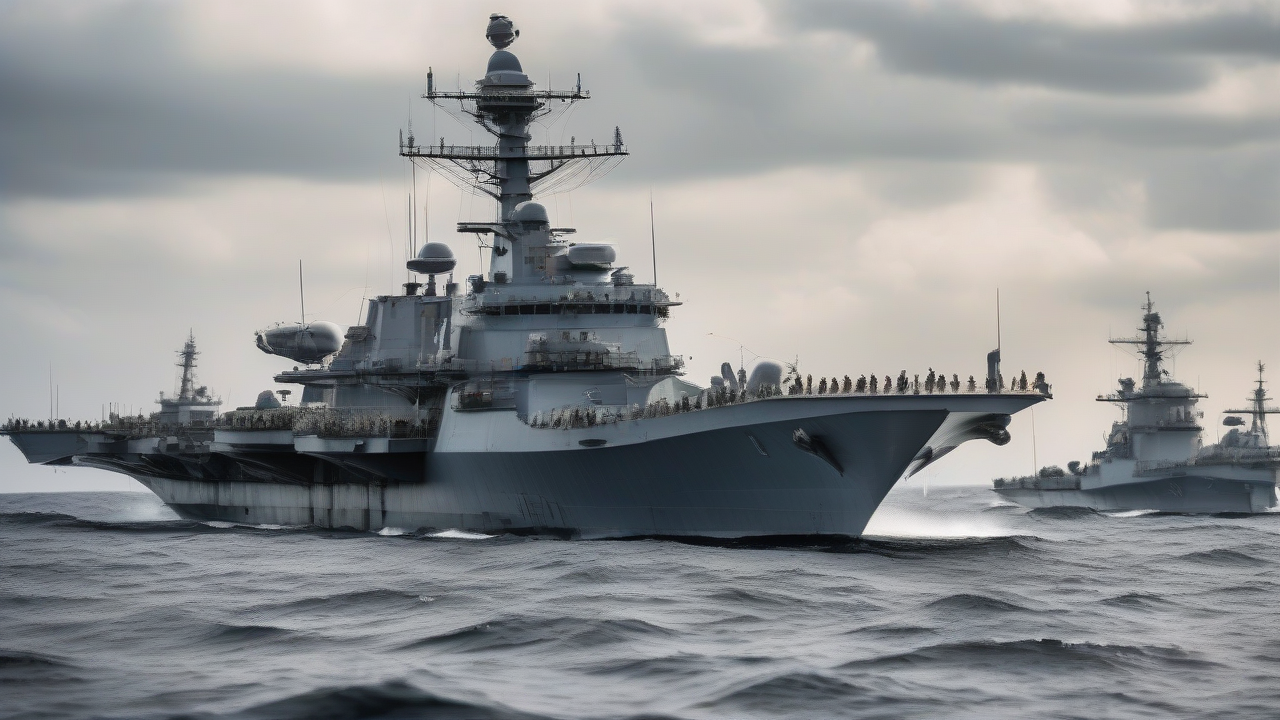
Rising Tensions in the Gulf
The United States has intensified its efforts to secure the Strait of Hormuz, with President Trump urging Japan to deploy warships to the region, according to reports from the Financial Times. This move comes as Iran threatens to carry out more retaliatory strikes, escalating the already volatile situation in the Gulf. Analysts note that the Strait of Hormuz is a critical waterway, with nearly a third of the world’s seaborne oil passing through it, making its security a top priority for global economic stability.
A Call to Action
Observers point out that President Trump’s call to Japan’s Minister of Defense, Takaichi, signals a significant shift in the US strategy to safeguard the region. The move is seen as an attempt to bolster the international coalition tasked with protecting the Strait of Hormuz, as reported by CNN. With Iran’s recent threats of further retaliation, the US is under increasing pressure to ensure the safe passage of oil tankers and other vessels through the strategic waterway. Experts indicate that the situation is becoming increasingly complex, with multiple stakeholders and interests at play.
Broader Implications
The current tensions in the Gulf have far-reaching implications, extending beyond the region to impact global oil prices and economic stability. As reported by Al Jazeera, the situation is being closely monitored by nations around the world, with many calling for a peaceful resolution to the crisis. The US, in particular, is keen to maintain a strong presence in the region, given its significant economic and strategic interests. The Detroit News notes that President Trump has delivered an ultimatum to Iran, emphasizing the need for the country to cease its aggressive actions and comply with international norms.
Impact on Regional Stability
The escalating tensions in the Gulf are having a profound impact on regional stability, with many nations expressing concern over the potential consequences of a full-scale conflict. According to sources, the US is working closely with its allies to develop a comprehensive strategy to address the situation, including the deployment of additional military assets to the region. The Atlantic reports that the US has been engaged in a series of diplomatic efforts, aimed at building a coalition of like-minded nations to support its efforts to secure the Strait of Hormuz.
What to Watch Next
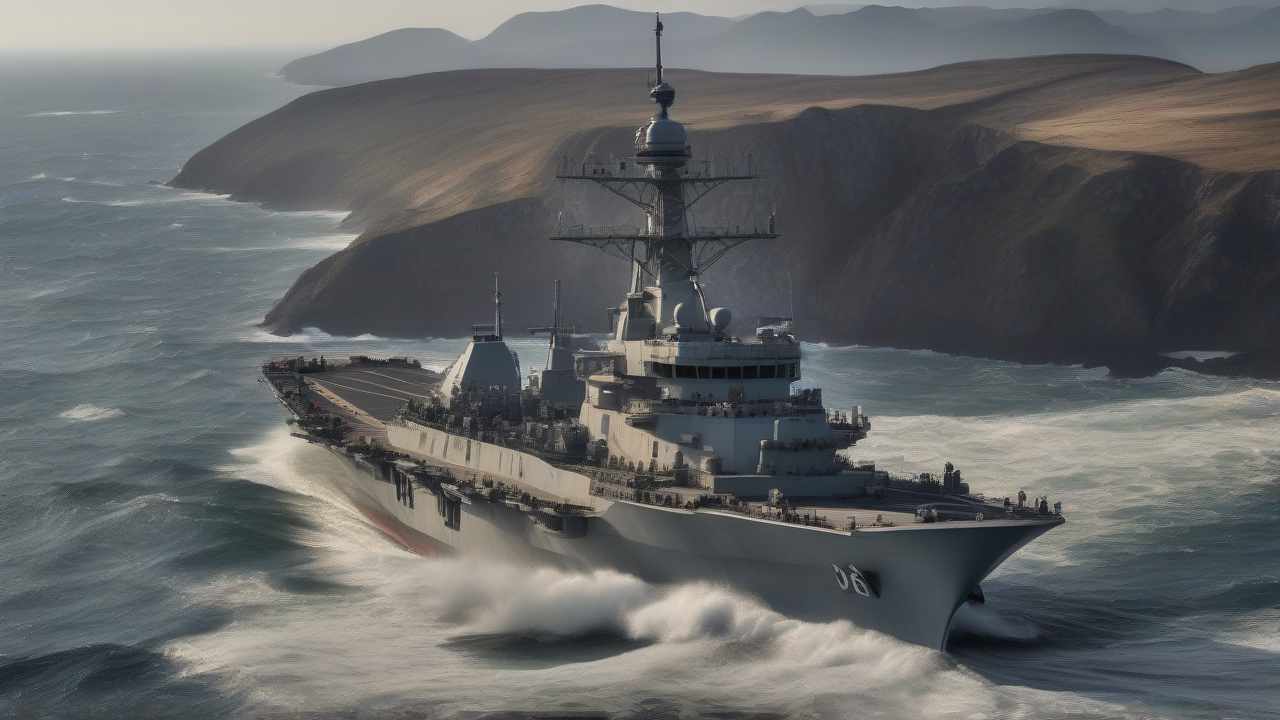
As the situation in the Gulf continues to unfold, observers will be closely watching the response of nations such as Japan, which has been urged to deploy warships to the region. The upcoming days and weeks will be critical in determining the trajectory of the crisis, with many anticipating further developments and potential flashpoints. As reported by the Financial Times, the US will likely continue to push for greater international cooperation to address the situation, with the goal of maintaining regional stability and ensuring the safe passage of vessels through the Strait of Hormuz. Sources indicate that the situation remains highly fluid, with the potential for rapid escalation or de-escalation, depending on the actions of the parties involved.
Reader Comments