
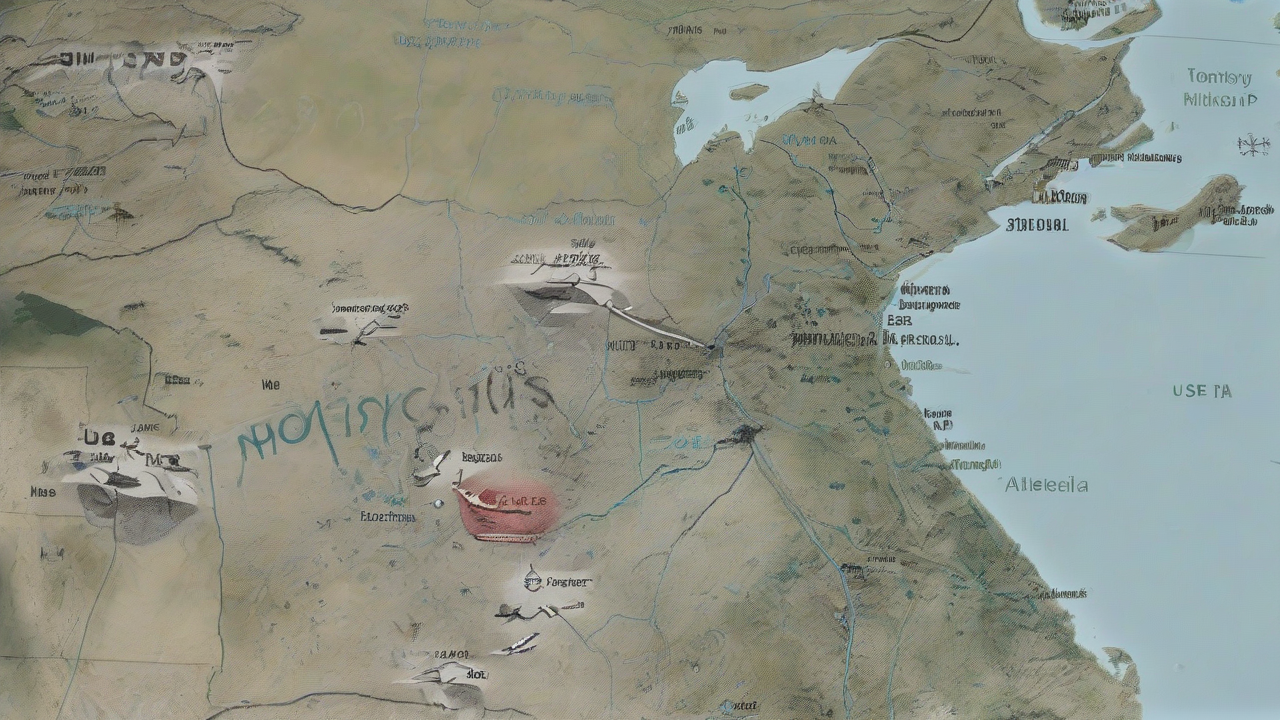
Rising Tensions in the Strait of Hormuz
The international community is on high alert as tensions escalate in the Strait of Hormuz, a critical waterway that connects the Persian Gulf to the Arabian Sea. According to reports from CNN, the United States is urging its allies, including China, to provide assistance in addressing the crisis. This development comes as the White House attempts to build a coalition to mitigate the impact of the conflict on the global energy market, as noted by the Wall Street Journal.
A Call to Action
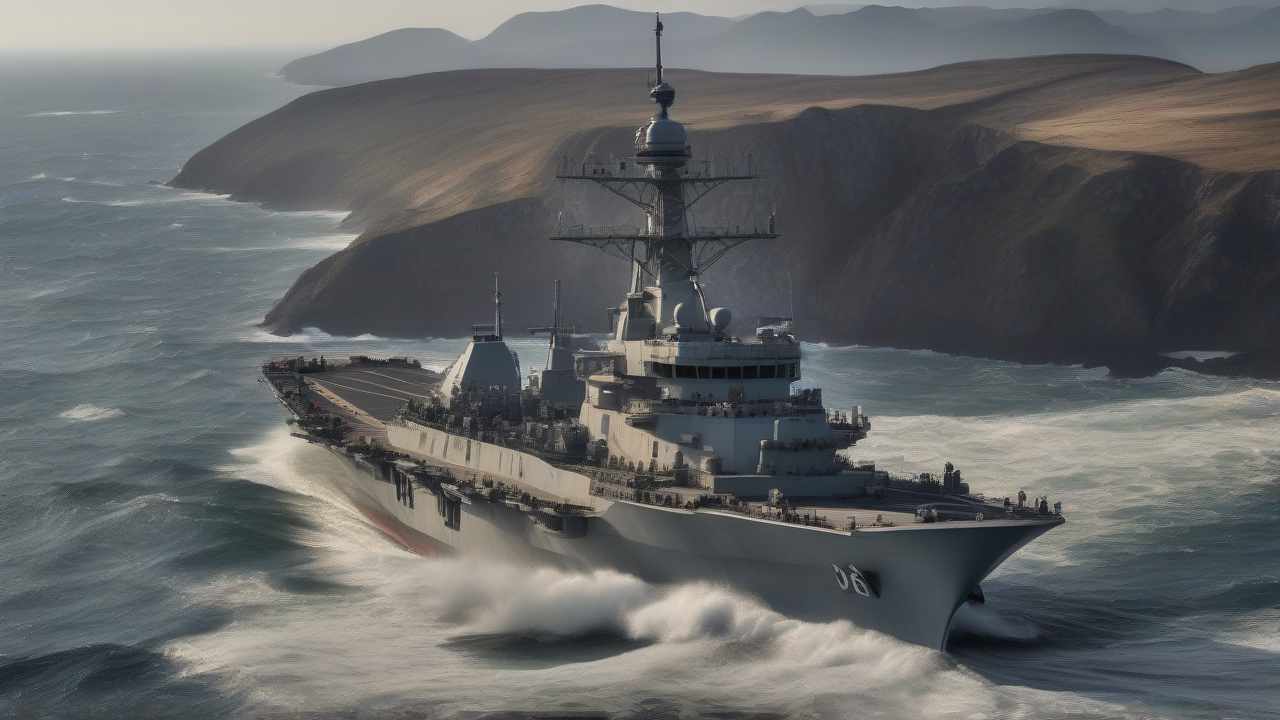
President Donald Trump has warned that NATO faces a “very bad future” if its member states fail to support the US in its efforts to stabilize the region, as reported by the Financial Times. This statement underscores the gravity of the situation and the potential consequences of inaction. Analysts note that the US is seeking to bolster its presence in the region by deploying additional warships to the Strait of Hormuz, a move that has been met with caution by other nations, according to The New York Times.
Global Implications
The crisis in the Strait of Hormuz has significant implications for the global economy, particularly in the energy sector. Observers point out that any disruption to oil shipments through the strait could have far-reaching consequences, including increased prices and reduced supply. As reported by PBS, President Trump has suggested that he may delay a planned trip to China due to the ongoing situation, although some analysts argue that this decision is not necessarily related to the crisis in the Strait of Hormuz.
International Response
The international community is responding to the crisis with a mix of caution and concern. Sources indicate that several nations, including European allies, are hesitant to commit to a military presence in the region, citing the potential risks and uncertainties of such a deployment. However, the US is pushing for a collective response to the crisis, arguing that a unified effort is necessary to maintain stability in the region and protect global energy interests.
What’s at Stake
The stakes are high in the Strait of Hormuz, with the potential for conflict to escalate and spread to other parts of the region. Experts note that the situation is complex and multifaceted, involving not only the US and Iran but also other regional players and global powers. The impact of the crisis could be felt far beyond the Middle East, with potential consequences for the global economy, trade, and security.
Looking Ahead
As the situation continues to unfold, observers are watching for several key developments. These include the response of China and other major powers to the US call for assistance, as well as the potential for further escalation or de-escalation in the region. According to reports from CNN, the US is planning to hold high-level talks with its allies in the coming days to discuss the crisis and potential next steps. As the international community navigates this complex and sensitive situation, one thing is clear: the stakes are high, and the consequences of inaction could be severe.
Reader Comments