
Escalating Conflict in the Middle East
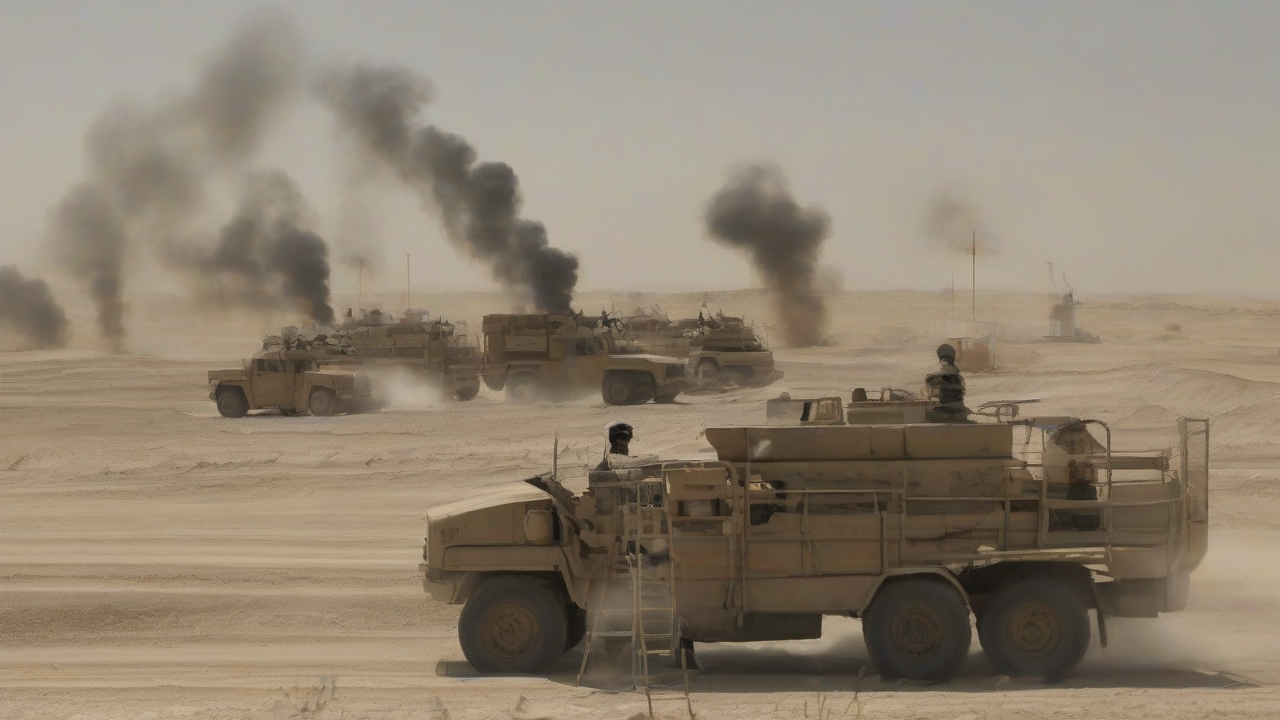
The United States and its allies have announced plans to tap into emergency oil reserves, a move aimed at mitigating the impact of the ongoing conflict with Iran on the global energy market. According to reports from Yahoo, this decision comes as missile strikes continue to rock the Middle East, with the latest attacks targeting ships in the Gulf and intensifying the already volatile situation.
Regional Tensions on the Rise
Observers point out that the escalation of ship attacks in the Gulf, as reported by the BBC, signals a significant increase in regional tensions. The conflict, now in its 13th day, has seen Israel launch new strikes in Lebanon, further destabilizing the region. Analysts note that these developments have far-reaching implications for global energy security and the stability of the Middle East.
Global Energy Implications
The International Energy Agency’s (IEA) decision to release oil reserves, as reported by Al Jazeera, underscores the gravity of the situation. This move is expected to help stabilize the global energy market, which has been impacted by the conflict. However, experts warn that the situation remains precarious, with the potential for further disruptions to oil supplies.
Humanitarian Concerns
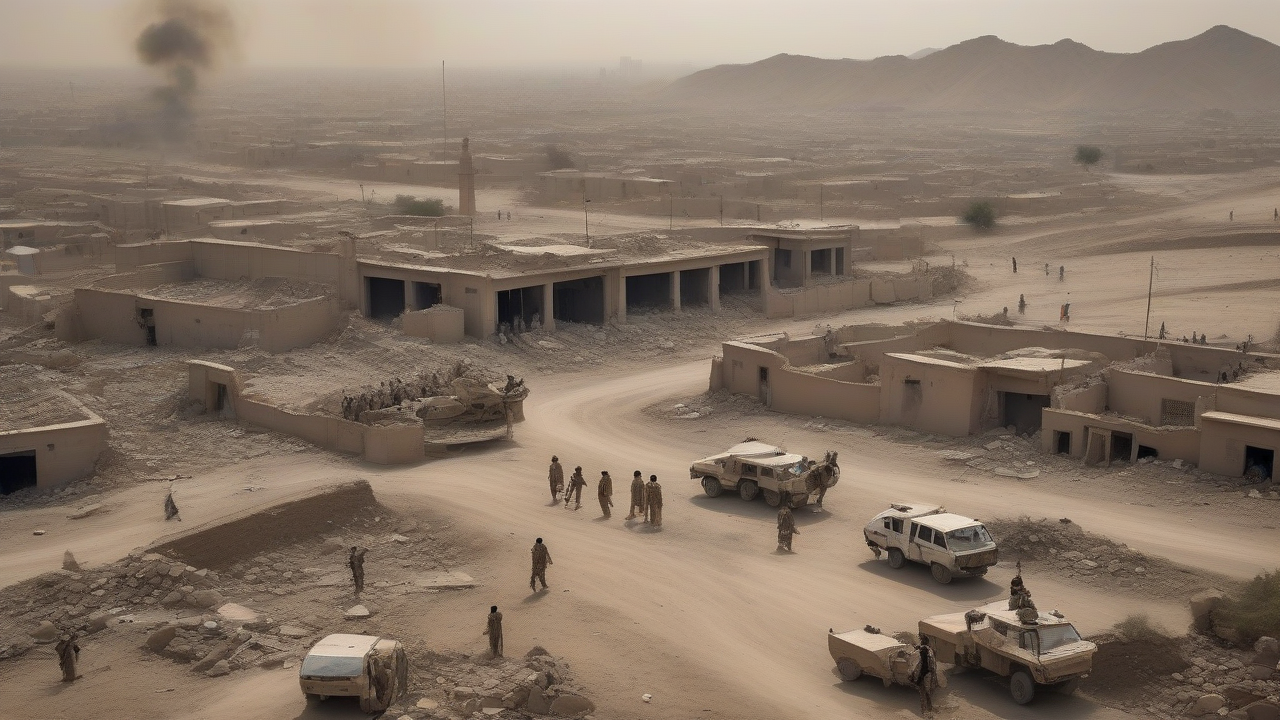
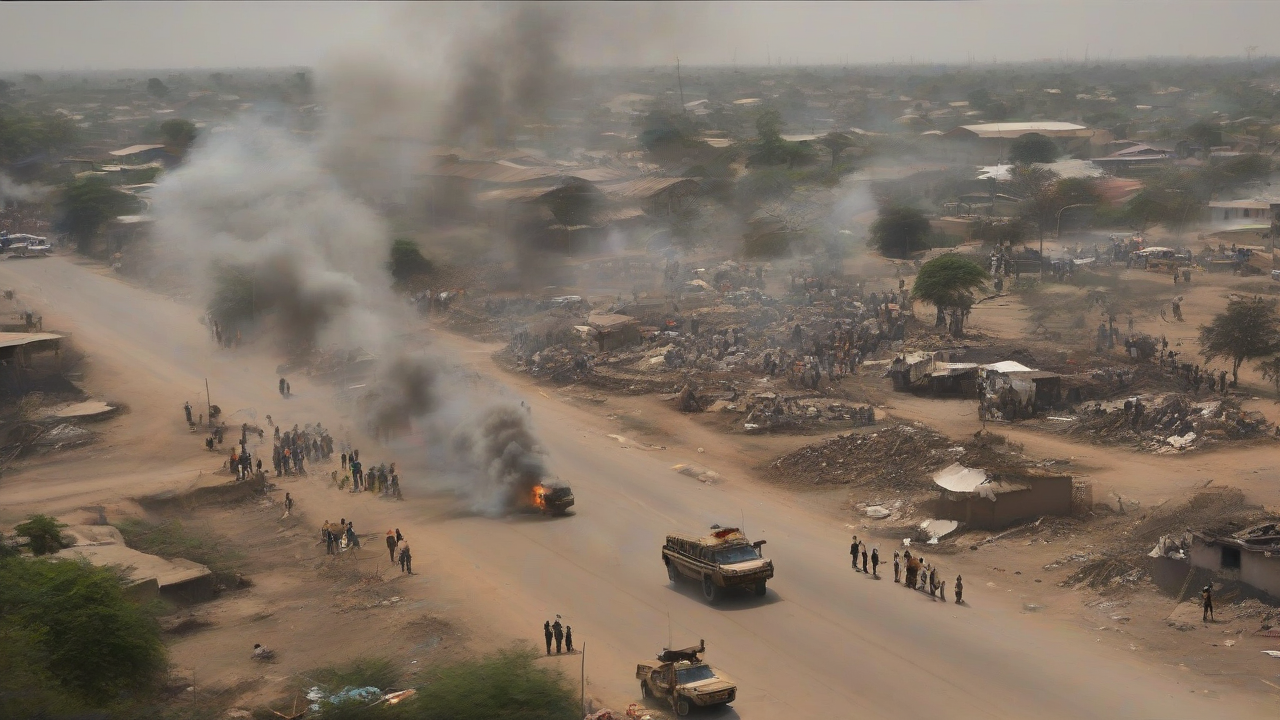
The ongoing conflict has significant humanitarian implications, with civilians caught in the crossfire. The New York Times reports that Israel has bombarded the Lebanese capital, resulting in widespread damage and loss of life. Analysts point out that the conflict has the potential to escalate into a broader regional war, with devastating consequences for civilians and the global economy.
Economic Fallout
The economic implications of the conflict are already being felt, with oil prices rising in response to the uncertainty. According to sources, the tapping of emergency oil reserves is intended to mitigate the impact of the conflict on the global economy. However, observers note that the situation remains highly volatile, with the potential for further economic disruptions.
What to Watch Next
As the conflict enters its 14th day, all eyes are on the Middle East, with analysts waiting to see how the situation will unfold. The IEA’s decision to release oil reserves is expected to have a stabilizing effect on the global energy market, but the potential for further disruptions remains high. With the US and its allies committed to supporting Israel, and Iran vowing to continue its resistance, the conflict shows no signs of abating. As reported by CNN, the international community is watching with bated breath, awaiting developments in the region.
Regional Stability at Risk
The conflict has significant implications for regional stability, with the potential to draw in other countries. Observers point out that the situation is highly complex, with multiple actors involved and competing interests at play. Analysts note that a peaceful resolution to the conflict is essential to preventing further destabilization of the region.
International Response
The international community is calling for calm and restraint, with diplomats working behind the scenes to broker a peaceful resolution to the conflict. According to sources, the US and its allies are committed to supporting Israel, while Iran is receiving backing from other regional players. The situation remains highly volatile, with the potential for further escalation.
Ongoing Developments
As the situation continues to unfold, observers are watching for signs of escalation or de-escalation. The release of oil reserves by the IEA is seen as a positive step, but analysts note that the situation remains highly uncertain. With the conflict showing no signs of abating, the international community is bracing for further developments in the region.

Reader Comments