
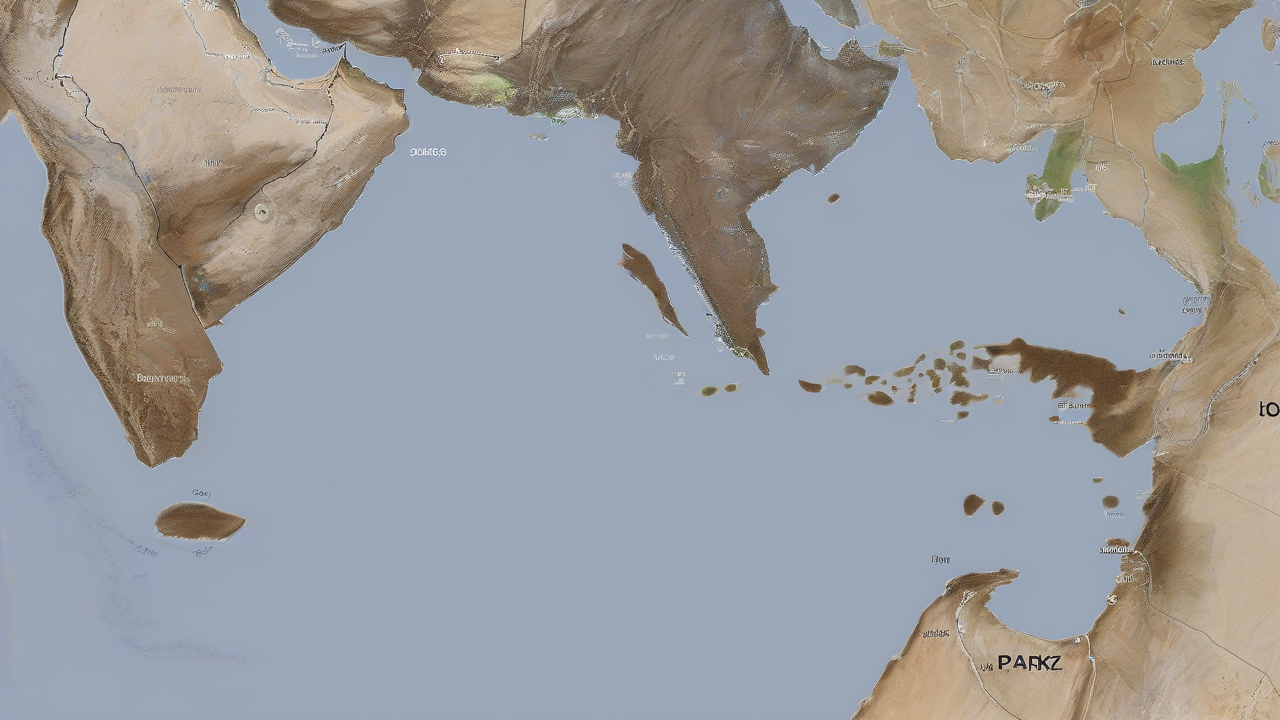
Rising Tensions in the Strait of Hormuz
The United States’ involvement in the Strait of Hormuz has sparked intense debate, with recent comments from former President Donald Trump adding fuel to the fire. According to a report by The Guardian, Trump’s statement, “Maybe we shouldn’t even be there,” has drawn backlash from various quarters. This sentiment comes at a time when the European Union is seeking a diplomatic solution to the crisis, as stated by EU Commissioner Kallas in an exclusive interview with Reuters.
A Complex Geopolitical Landscape
Analysts note that the situation in the Strait of Hormuz is complex, with multiple nations having a stake in the region’s stability. The Strait is a critical waterway for global oil trade, and any disruption can have far-reaching consequences. As reported by CNBC, oil prices have jumped 4% due to doubts over the U.S.-backed plan to protect shipping in the region. Observers point out that the EU’s rejection of Trump’s demands for warships to reopen the Strait of Hormuz, as reported by The New York Times, highlights the deepening divisions among Western allies on how to address the crisis.
Implications of a Diplomatic Solution
The EU’s pursuit of a diplomatic solution, as stated by Commissioner Kallas, signals a desire to avoid military confrontation. Experts suggest that a diplomatic approach could involve negotiations with Iran, as well as other regional players, to establish a framework for cooperation and de-escalation. However, the path to a diplomatic solution is fraught with challenges, and the outcome is far from certain. As CNN notes, building a coalition to address the crisis will require careful diplomacy and a willingness to compromise.
Impact on Global Oil Markets
The situation in the Strait of Hormuz has significant implications for global oil markets. According to sources, the U.S.-backed plan to protect shipping in the region has raised concerns among oil traders, leading to increased prices. The uncertainty surrounding the region’s stability has also led to doubts about the effectiveness of the plan. As reported by CNBC, oil prices are likely to remain volatile until a resolution is reached.
What to Watch Next
As the situation in the Strait of Hormuz continues to unfold, several key developments are worth watching. The EU’s diplomatic efforts, led by Commissioner Kallas, will be closely monitored, as will the response from Iran and other regional players. Additionally, the outcome of the U.S.-backed plan to protect shipping in the region will be crucial in determining the trajectory of the crisis. With the global oil market hanging in the balance, the world will be watching the developments in the Strait of Hormuz with bated breath. According to The Guardian, the next few weeks will be critical in determining the course of the crisis, and all eyes will be on the key players involved.

Reader Comments