
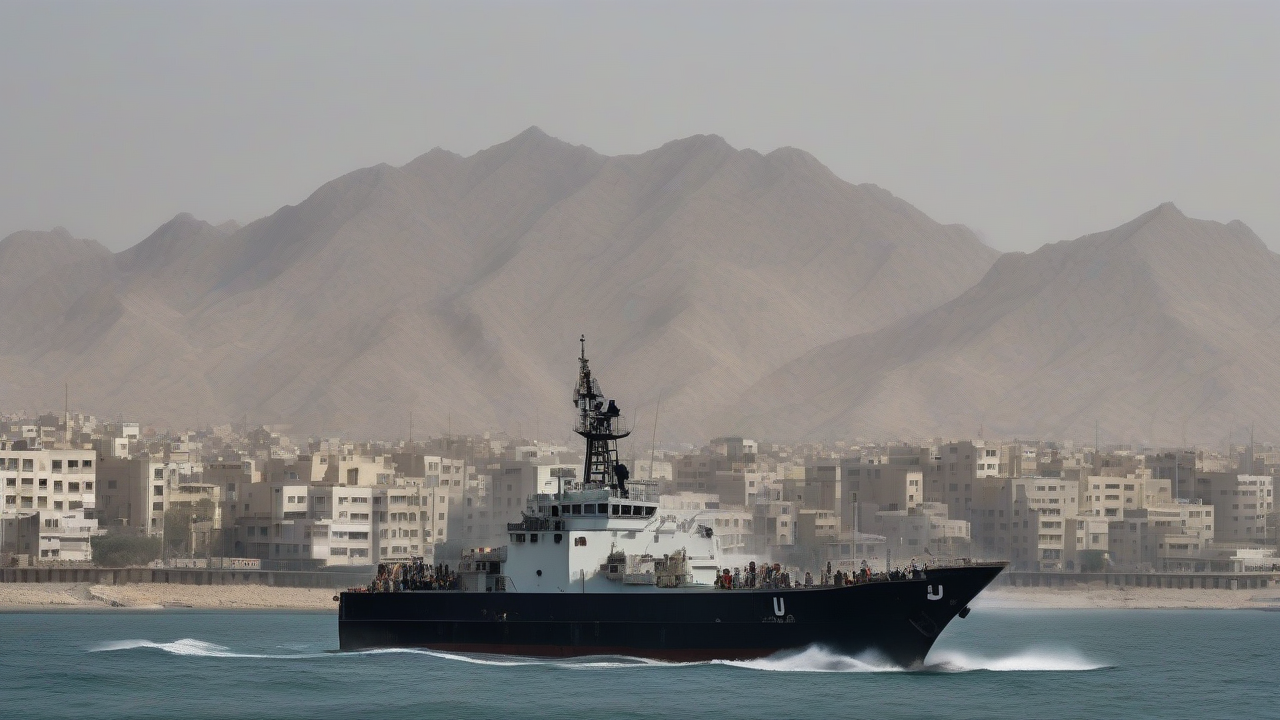
Rising Tensions in the Strait of Hormuz
The United States is facing resistance from its allies, including NATO and China, in its bid to secure their assistance in policing the Strait of Hormuz, a critical waterway in the Middle East. According to reports from NPR, the Trump administration has been urging these entities to help ensure the safe passage of ships through the strait, which has been a focal point of tensions between the US and Iran. However, so far, these requests have been met with refusal, signaling a potential rift in international cooperation on the issue.
A Call for International Cooperation
Observers point out that the US demand for assistance in policing the Strait of Hormuz is part of a broader strategy to address the escalating tensions with Iran. The move signals a significant shift in the US approach, as it seeks to share the burden of maintaining security in the region with other global powers. Analysts note that this development is closely tied to the ongoing conflict between the US and Iran, with the Strait of Hormuz emerging as a key flashpoint. As reported by the Financial Times, Donald Trump has warned that NATO faces a “very bad future” if its allies fail to help the US in Iran, underscoring the high stakes involved.
Implications and Consequences
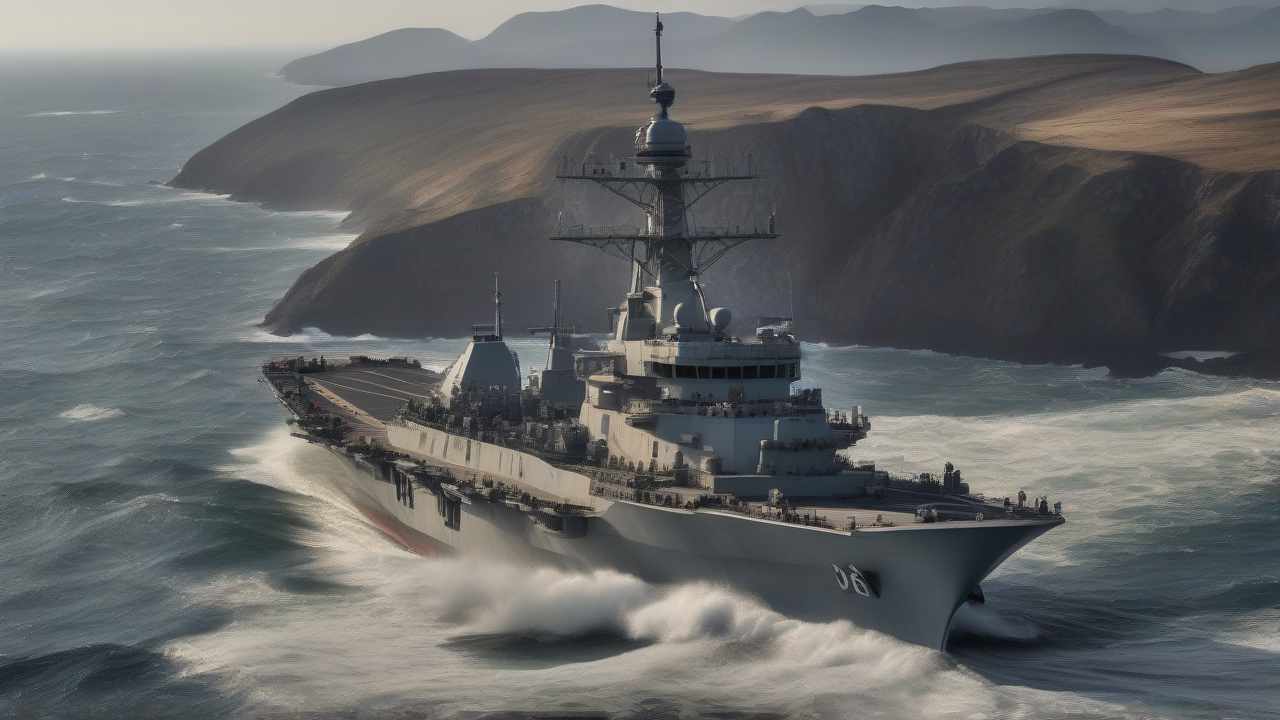
The refusal by NATO and China to police the Strait of Hormuz has significant implications for the region and the world at large. Experts indicate that this development could lead to increased tensions between the US and its allies, potentially straining relationships and complicating future cooperation on other issues. Furthermore, the absence of a unified international response to the situation in the Strait of Hormuz could embolden Iran, leading to further escalation of the conflict. According to sources cited by Bloomberg, the Trump administration is planning to announce a coalition to escort ships through the strait, although the details of this plan remain unclear.
Impact on Global Trade and Security
The situation in the Strait of Hormuz has far-reaching consequences for global trade and security. The strait is a vital waterway through which a significant portion of the world’s oil passes, making it a critical component of the global economy. Any disruption to shipping in the region could have significant economic implications, affecting oil prices and the stability of financial markets. As noted by dw.com, Germany has firmly stated its opposition to a military role in the conflict, highlighting the divisions within the international community on how to address the situation.
What’s Next
As the situation in the Strait of Hormuz continues to unfold, observers will be watching closely for any developments that could signal a shift in the international response to the crisis. Upcoming decisions by NATO, China, and other global powers will be critical in determining the trajectory of the conflict and the potential for a unified international response. According to reports from the Wall Street Journal, the Trump administration is planning to announce a coalition to escort ships through the strait, which could be a significant development in the ongoing saga. As the world waits with bated breath, one thing is clear: the situation in the Strait of Hormuz remains a pressing concern, with far-reaching implications for global security and trade.

Reader Comments