
Rising Tensions in the Middle East
The international community is witnessing a significant escalation in the Middle East crisis, as European countries push back against demands from the United States to provide assistance in clearing the Strait of Hormuz. According to reports from The Guardian, the US is seeking help from its allies to ensure the safe passage of ships through the strategic waterway, which has been a focal point of tensions between the US and Iran.
A Shift in US Policy
Observers note that this development marks a significant shift in the US stance on the issue, as President Donald Trump had previously insisted that the US did not need the help of its allies in dealing with Iran. However, as reported by CNN, the US is now actively seeking the involvement of its European partners in the effort to secure the Strait of Hormuz. This change in approach has been met with resistance from European countries, which are hesitant to be drawn into a potentially wider conflict.
European Resistance
Analysts point out that the reluctance of European countries to get involved in the US-led effort is driven by a desire to avoid escalation and to preserve the integrity of the Iran nuclear deal. As reported by the BBC, Germany’s Friedrich Merz has stated that a war with Iran is “not a matter for Nato,” while the UK’s Keir Starmer has also indicated that the UK will not be drawn into a wider conflict. The Financial Times notes that President Trump has warned that Nato faces a “very bad future” if its allies fail to provide support to the US in Iran.
Implications and Consequences
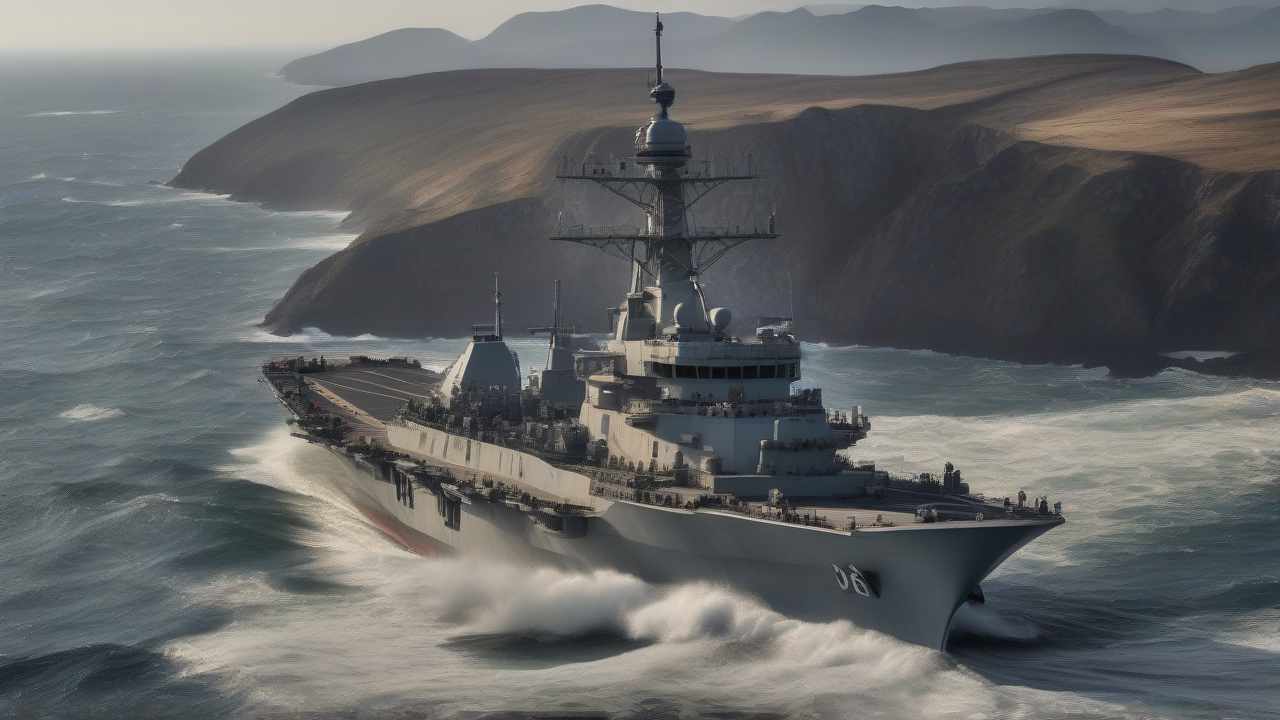
The move by the US to seek the help of its allies in clearing the Strait of Hormuz has significant implications for the region and the global economy. Experts note that the Strait of Hormuz is a critical waterway for international trade, with a significant proportion of the world’s oil passing through it. Any disruption to shipping in the area could have far-reaching consequences for the global economy. As reported by the Wall Street Journal, the Trump Administration is planning to announce a coalition to escort ships through the Strait of Hormuz, a move that is likely to be closely watched by the international community.
What’s Next
As the situation in the Middle East continues to unfold, observers will be watching closely to see how European countries respond to the US demands for assistance. The US is likely to continue to push for the involvement of its allies in the effort to secure the Strait of Hormuz, while European countries will need to balance their desire to avoid escalation with their commitment to regional stability. According to sources, the US is expected to announce further details of its plans for the coalition in the coming days, which will likely be a key factor in determining the next steps in the crisis. As the situation continues to evolve, one thing is clear: the international community will be watching the Middle East with bated breath, eager to see how the crisis will be resolved.

Reader Comments