
Escalation in the Middle East
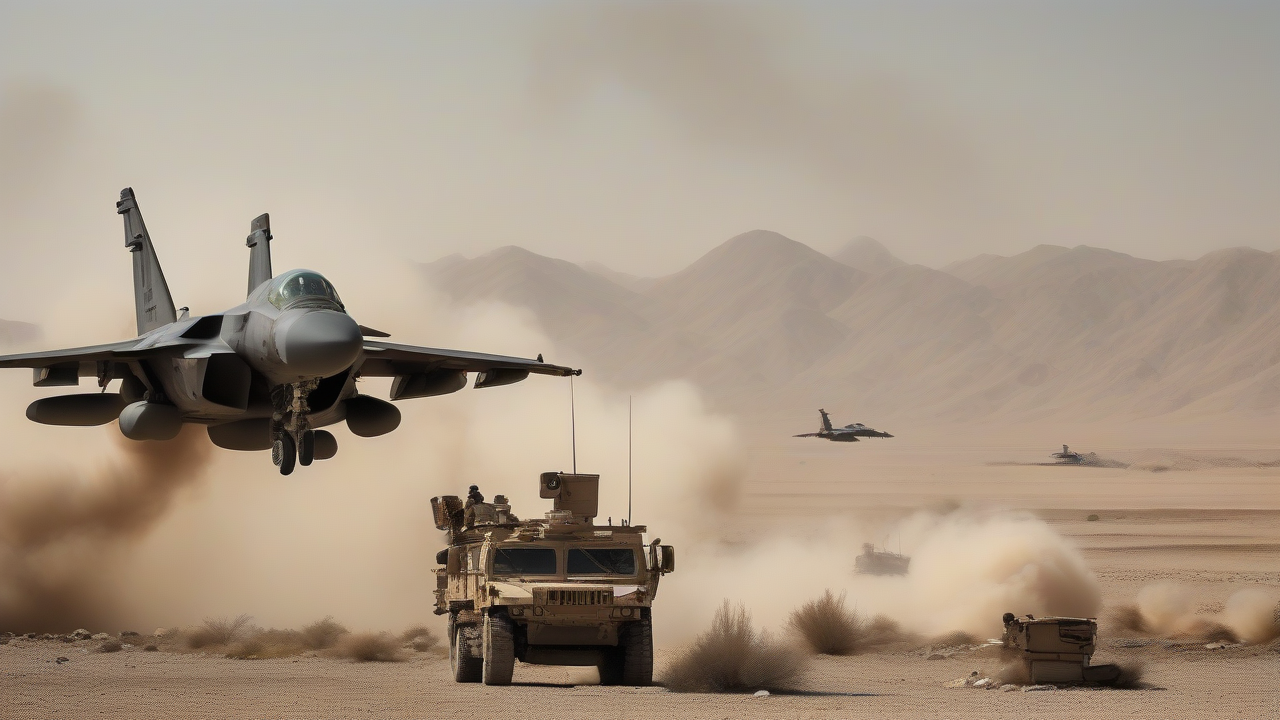
The United States has launched its most intense military strikes against Iran to date, according to the Pentagon, marking a significant escalation in the ongoing conflict. As reported by The New York Times, this surge in military action has raised concerns among observers about the potential consequences of such a dramatic increase in hostility.
Background and Context
Analysts note that the recent strikes are part of a broader pattern of heightened tensions between the U.S. and Iran, which have been building for several years. The move signals a shift in U.S. strategy, with some experts suggesting that the aim is to cripple Iran’s military capabilities and undermine its regional influence. However, others point out that such an approach carries significant risks, including the potential for civilian casualties and the destabilization of the entire region.
Impact and Repercussions
The strikes have already had a significant impact on the ground, with reports of widespread damage and casualties. According to sources, the Iranian military has suffered substantial losses, which could weaken its ability to respond to future attacks. However, the move has also been criticized by some as a provocative and disproportionate response, which could lead to further escalation and potentially even draw in other regional players.
Regional and Global Implications
Observers point out that the escalation of the conflict has significant implications for the region and beyond. The Middle East is already a volatile and complex landscape, with multiple conflicts and rivalries simmering just below the surface. The increased tensions between the U.S. and Iran could have a ripple effect, drawing in other countries and potentially even leading to a wider conflict. As noted by experts, the situation is fraught with uncertainty and requires careful diplomacy to prevent further escalation.
What’s Next
As the situation continues to unfold, all eyes will be on the upcoming diplomatic efforts to de-escalate the conflict. According to The New York Times, officials from both sides are scheduled to meet in the coming weeks to discuss potential paths forward. However, analysts caution that finding a resolution will be challenging, given the deep-seated differences and mistrust between the two sides. Meanwhile, the international community will be watching closely, as the consequences of failure could be catastrophic.
Humanitarian Concerns
The humanitarian implications of the conflict are also a major concern. With reports of civilian casualties and displacement, there are fears that the situation could rapidly deteriorate, leading to a full-blown humanitarian crisis. As reported by sources, aid organizations are already on the ground, working to provide assistance to those affected. However, the scale of the challenge is enormous, and it will require a concerted effort from the international community to prevent a disaster.
The information in this article is based on reporting from The New York Times, which has been covering the developing story. As the situation continues to evolve, it is likely that new details will emerge, and the picture will become clearer. For now, the world waits with bated breath, hoping that diplomacy will prevail and the conflict can be brought to an end without further bloodshed.

Reader Comments