
Ongoing Conflict in the Middle East Disrupts Air Travel
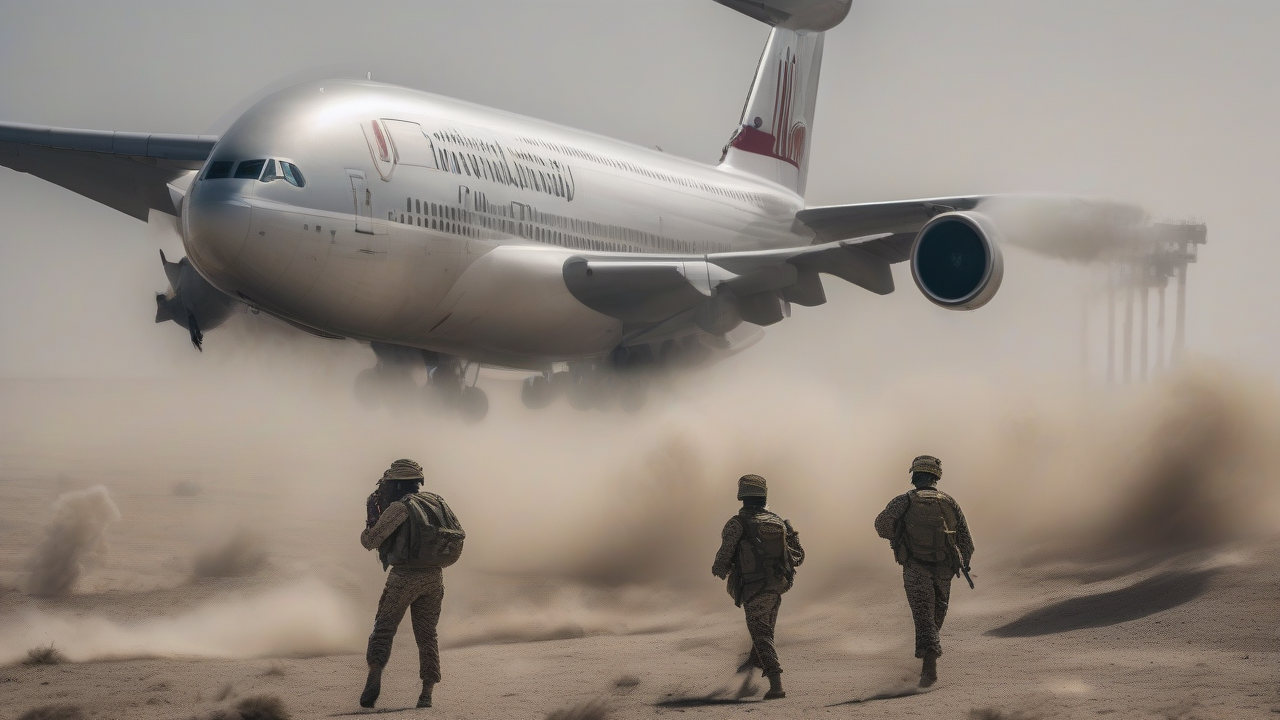
The escalating tensions between the United States and Iran have resulted in significant disruptions to air travel, with over a million passengers affected by flight cancellations and suspensions. According to reports from The Verge, the conflict has led to a substantial reduction in flights to the Middle East, with major airlines such as British Airways slashing their schedules.
Impact on the Aviation Industry
Analysts note that the situation has created a challenging environment for airline pilots, who must contend with the risks of drones, missiles, and increased stress levels. As reported by Reuters, governments are planning repatriations for citizens stranded in the region due to the cessation of flights. The Independent has compiled a list of airlines that have cancelled flights to the Middle East amid the Iran crisis, highlighting the widespread impact on the aviation industry.
Regional Chaos and Economic Consequences
Observers point out that the conflict has plunged the Gulf region, a popular destination for tourists and business travelers, into chaos. The move signals a significant shift in the regional dynamics, with far-reaching implications for the economy and global politics. As noted by Business Insider, the reduction in flights has been implemented weeks in advance, indicating a prolonged period of uncertainty for travelers and the aviation industry.
Humanitarian Concerns and Repatriation Efforts
The situation has raised humanitarian concerns, with governments and airlines working to repatriate stranded passengers. According to sources, the number of affected travelers is estimated to be over a million, with many facing uncertainty and disruption to their travel plans. Experts emphasize the need for a swift resolution to the conflict to mitigate the humanitarian and economic consequences.
Broader Implications and Future Developments
The conflict in the Middle East has significant implications for global politics, economy, and security. Analysts note that the situation is being closely monitored by governments and international organizations, with a focus on finding a peaceful resolution. As reported by Reuters, the international community is calling for restraint and diplomacy to resolve the crisis. In the coming weeks, observers will be watching for developments in the region, including potential changes to flight schedules and government advisories.
What to Watch Next
As the situation continues to unfold, travelers and industry watchers will be closely monitoring updates from airlines, governments, and international organizations. Key developments to watch include changes to flight schedules, updates on repatriation efforts, and shifts in government policies and advisories. According to sources, the next few weeks will be crucial in determining the trajectory of the conflict and its impact on the aviation industry and global politics.

Reader Comments