
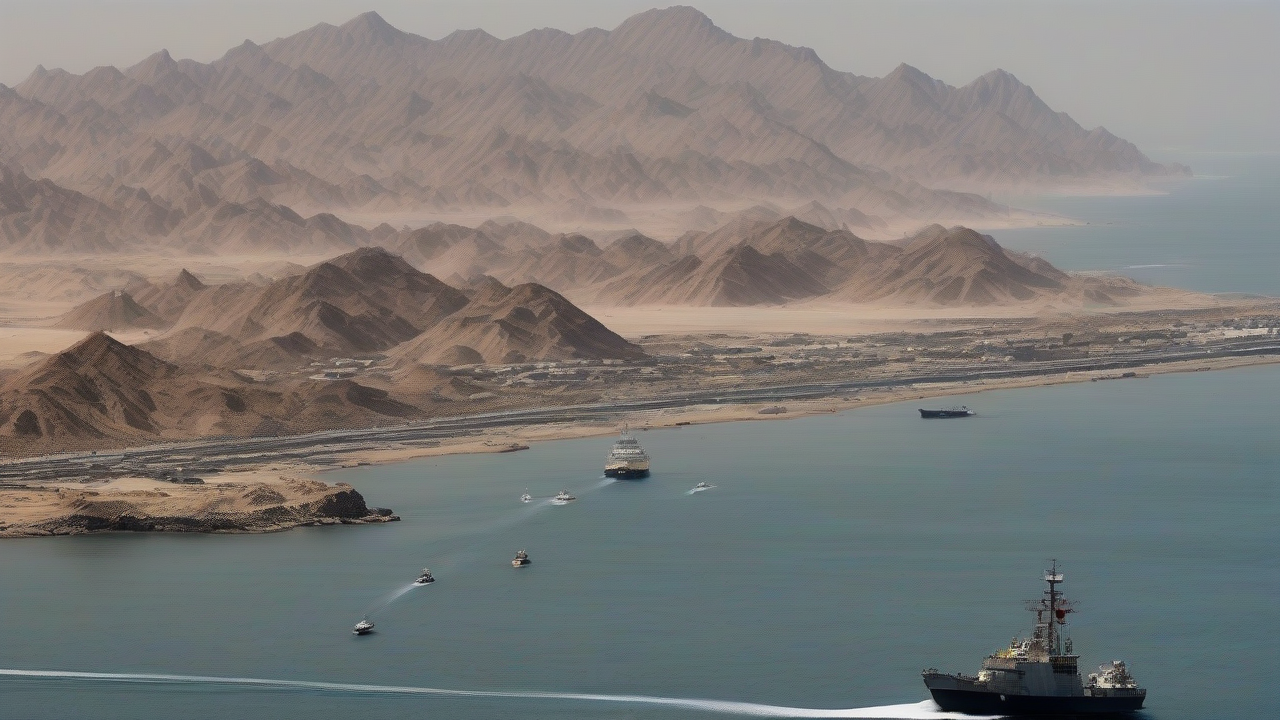
Rising Tensions in the Strait of Hormuz
The United States is urging its allies, including China, to assist in securing the Strait of Hormuz, a critical waterway in the Middle East, amid escalating tensions with Iran. According to reports from CNN, the Trump administration is planning to announce a coalition to escort ships through the strait, in an effort to safeguard international trade and prevent further conflicts.
Background and Implications
The Strait of Hormuz, which connects the Persian Gulf to the Gulf of Oman, is a vital shipping lane, with approximately 20% of the world’s oil passing through it. The region has been a flashpoint in recent months, with Iran seizing several foreign ships and the US deploying additional military assets to the area. Analysts note that the situation has the potential to disrupt global energy markets and undermine regional stability. As reported by Al Jazeera, Iran has allowed safe passage to ships from certain countries, but the criteria for this exemption are unclear.
International Response
The US is not alone in its concerns about the situation in the Strait of Hormuz. Observers point out that European allies, in particular, have a significant stake in maintaining the free flow of trade through the region. However, as noted by the Financial Times, there are concerns about the potential consequences of becoming embroiled in a conflict with Iran. Donald Trump has warned that NATO faces a “very bad future” if its members fail to support the US in its efforts to secure the strait.
Plans for a Coalition
According to sources indicated by the Wall Street Journal, the Trump administration plans to announce a coalition to escort ships through the Strait of Hormuz. This move is seen as an attempt to share the burden of securing the region with other countries, rather than relying solely on US military assets. The Guardian reports that the US is stepping up pressure on European allies to contribute to the effort, highlighting the importance of collective action in maintaining regional stability.
Impact and Implications
The situation in the Strait of Hormuz has significant implications for global trade and energy markets. If the waterway were to be closed or disrupted, it could lead to shortages and price increases for oil and other commodities. As reported by CNN, the US is urging its allies to take a more active role in securing the region, in order to prevent such an outcome. The move signals a growing recognition of the need for international cooperation in addressing the challenges posed by Iran’s actions in the region.
What to Watch Next
In the coming days and weeks, observers will be watching closely for developments in the situation in the Strait of Hormuz. The announcement of a coalition to escort ships through the region is expected to be a key milestone, and its success will depend on the willingness of other countries to participate. As the situation continues to evolve, it is likely that there will be further calls for international cooperation and diplomacy to resolve the crisis peacefully. According to sources, the next major development is expected to be a meeting of international leaders to discuss the situation and potential solutions.

Reader Comments