
Escalating Tensions in the Strait of Hormuz
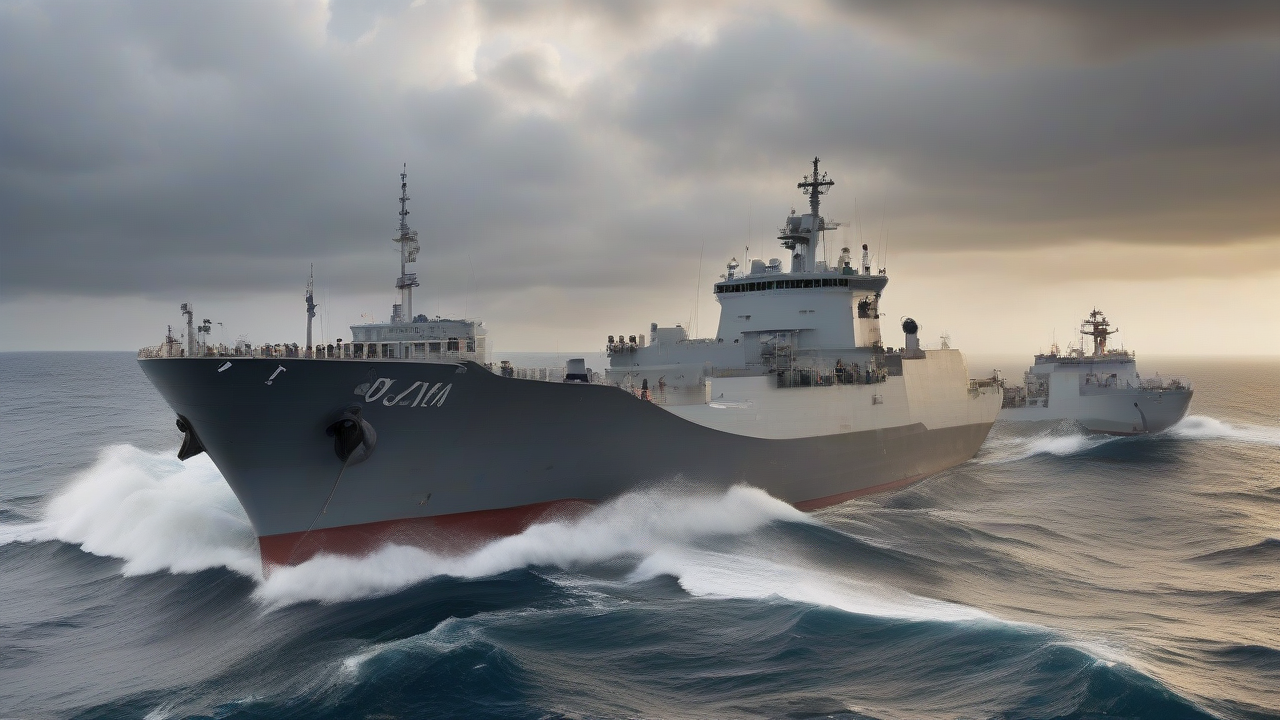
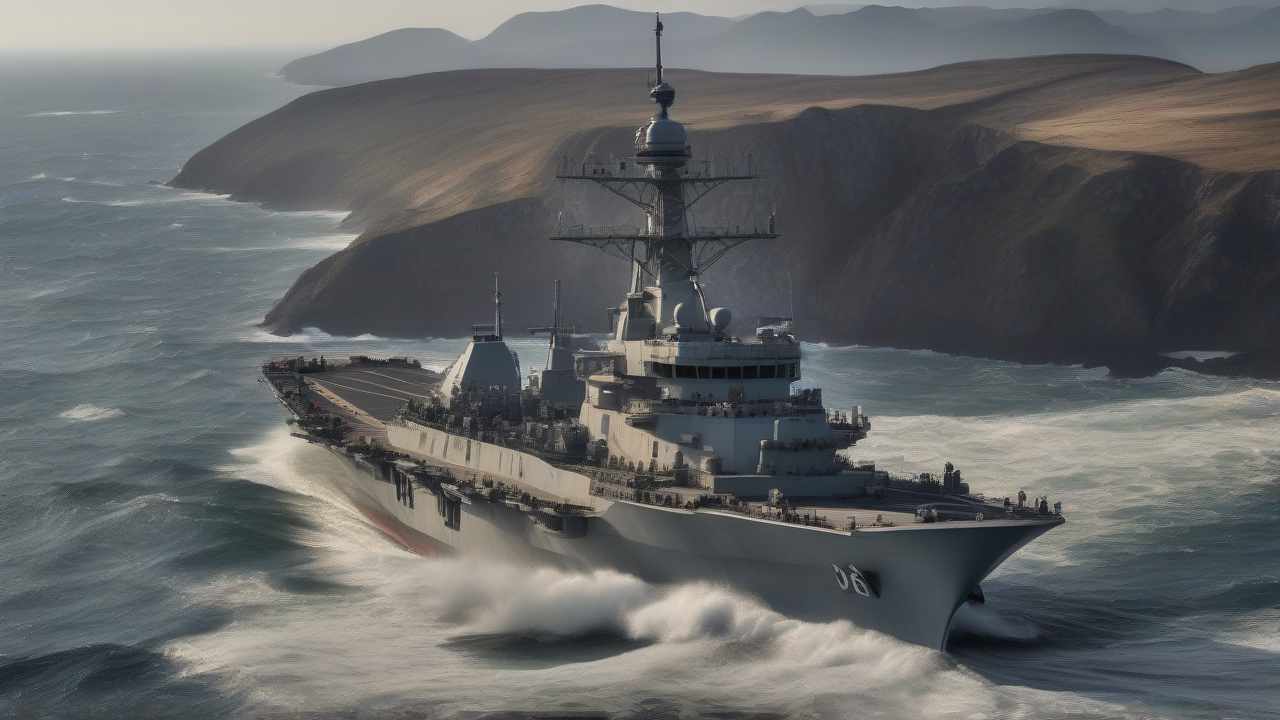
The Trump administration is poised to unveil a coalition aimed at escorting ships through the strategic Strait of Hormuz, according to reports from the Wall Street Journal. This development comes on the heels of heightened tensions in the region, with multiple nations responding cautiously to the proposal. As reported by The New York Times, the call to send warships to the Strait of Hormuz has been met with a mixture of concern and hesitation from key allies.
A Complex Geopolitical Landscape
Analysts note that the move signals a significant escalation in the Trump administration’s efforts to address the ongoing energy crisis and navigate the complex geopolitical landscape of the Middle East. The Strait of Hormuz, a critical waterway connecting the Persian Gulf to the Arabian Sea, is a vital conduit for international oil trade. Experts point out that any disruption to shipping lanes in the region could have far-reaching consequences for the global economy. As observed by NBC News, the administration’s push to reopen the Strait of Hormuz may not be as straightforward as anticipated, given the sensitive nature of the issue and the diverse interests of nations involved.
Building a Coalition
The White House has been actively seeking to build a coalition to address the Iran-related energy crisis, as reported by the Wall Street Journal. However, the response from key allies has been lukewarm, with some nations expressing reservations about the proposal. According to Yahoo, one key ally has already rebuffed the administration’s demand for help, highlighting the challenges ahead in building a unified coalition. Observers point out that the success of such a coalition will depend on the ability of the Trump administration to navigate the complex web of alliances and interests in the region.
Implications and Stakes
The stakes are high, with the potential for miscalculation or escalation posing significant risks to regional stability and global economic security. As noted by experts, the situation in the Strait of Hormuz has the potential to impact oil prices, trade relationships, and the broader geopolitical balance in the Middle East. The move to establish a coalition to escort ships through the Strait of Hormuz is likely to be watched closely by nations around the world, given the potential implications for international trade and security.
What to Watch Next
As the Trump administration prepares to announce the coalition, observers will be closely watching the response from key nations, including allies and adversaries alike. The upcoming days and weeks will be crucial in determining the success of the coalition and the potential consequences for the region. According to sources, the administration is expected to provide further details on the coalition in the near future, which will likely shed more light on the scope and objectives of the initiative. As reported by the Wall Street Journal, the situation in the Strait of Hormuz remains fluid, and developments are expected to unfold rapidly in the coming days.

Reader Comments