
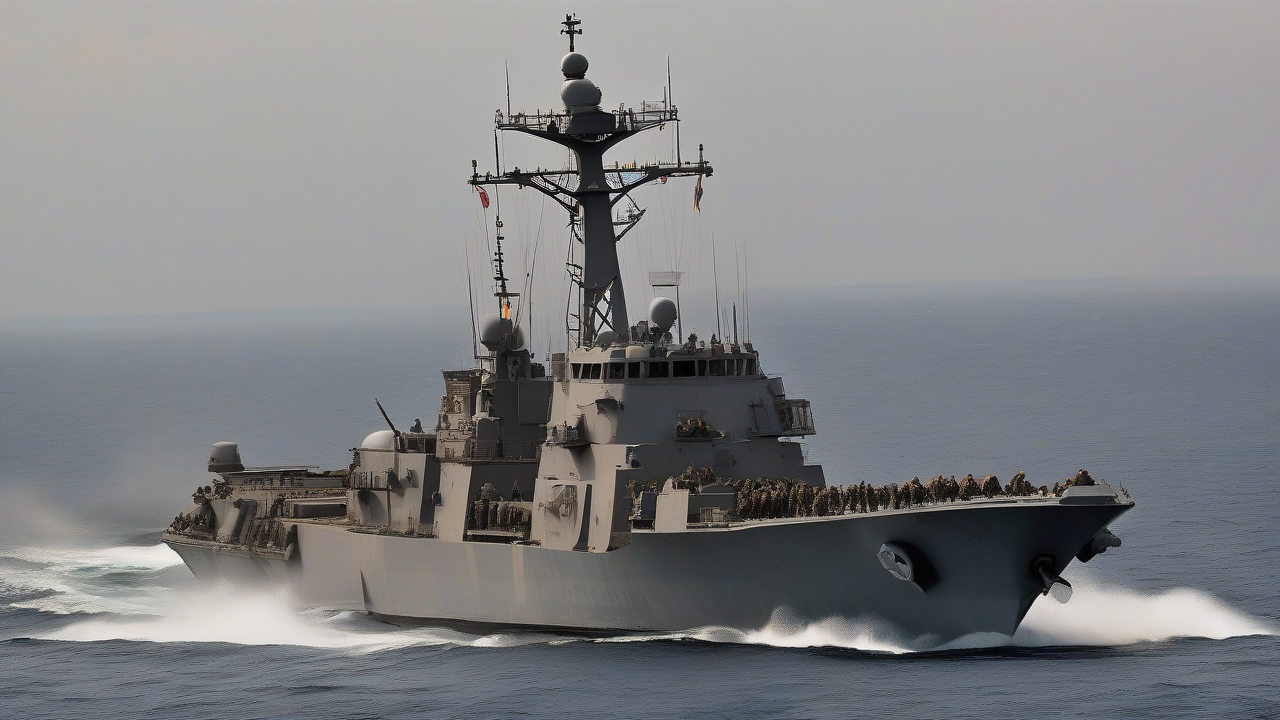
Escalation in the Middle East: US Deploys Additional Military Assets
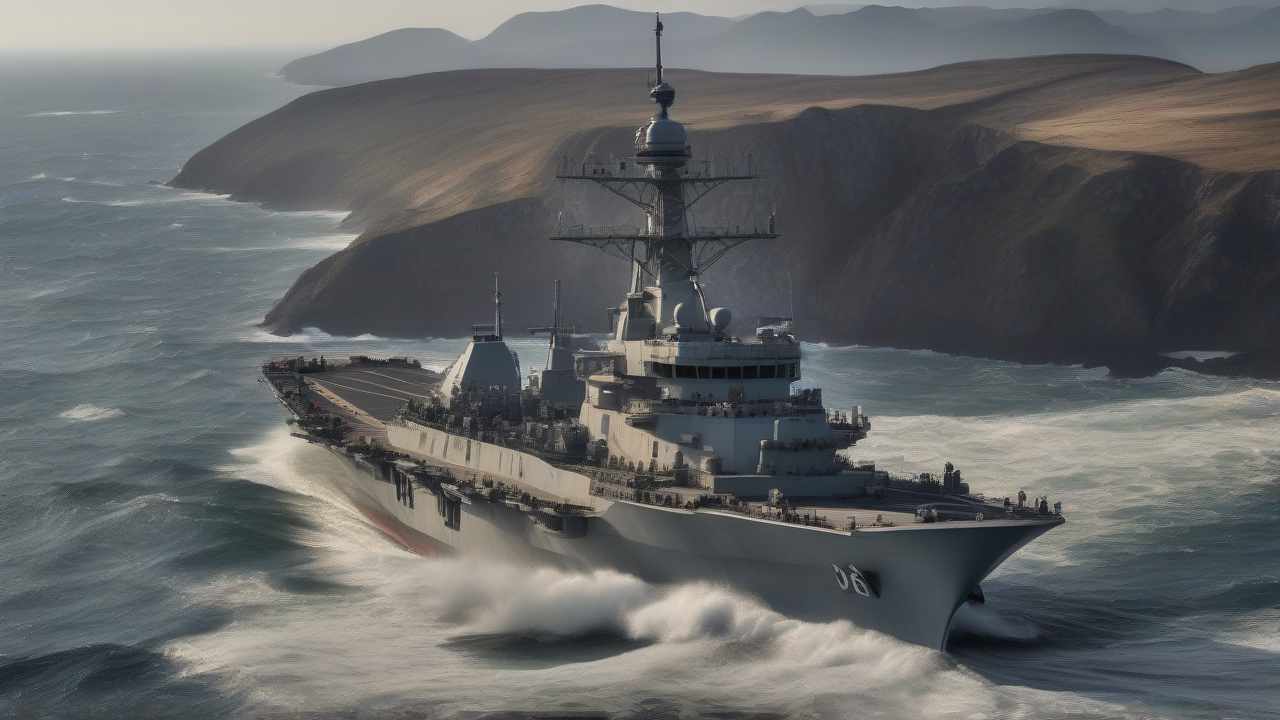
The United States is bolstering its military presence in the Middle East with the deployment of the USS Tripoli, accompanied by the 31st Marine Expeditionary Unit (MEU), as reported by USNI News. This move is part of a broader strategy to enhance security in the region, particularly in the wake of heightened tensions. According to sources, including The New York Times, this deployment involves thousands of Marines and multiple warships, signaling a significant escalation of US military involvement in the area.
Context and Implications
Analysts note that the decision to send more Marines and warships to the Middle East reflects the ongoing concerns over stability and security in the region. The Strait of Hormuz, a critical waterway for international oil trade, has been a focal point of these tensions. Observers point out that the intensified mission in the area aims to safeguard maritime traffic and deter potential threats. As reported by ایران اینترنشنال, the US has ordered approximately 2,200 Marines on three warships to the Middle East, underlining the scale of the deployment.
Impact on Regional Dynamics
The deployment of the USS Tripoli and the 31st MEU is expected to have significant implications for regional dynamics. Experts suggest that this move could influence the balance of power in the Middle East, potentially affecting the strategies of other nations involved in the region. The Wall Street Journal notes that more Marines and warships are being sent to the Middle East as part of an effort to intensify the mission in the Hormuz Strait. This escalation could lead to increased tensions or, conversely, serve as a deterrent to potential aggressors.
Broader Strategic Considerations
The Pentagon’s decision to send thousands of Marines to the Middle East, as highlighted by Axios, indicates a comprehensive approach to addressing the complex security challenges in the region. This strategy involves not only military deployments but also diplomatic efforts aimed at de-escalating tensions and promoting stability. However, the move also raises questions about the long-term implications of such a significant military presence in the area and how it might impact future relations with nations in the region.
What to Watch Next
As the situation in the Middle East continues to evolve, several key developments will be worth monitoring. The response of regional actors to the increased US military presence will be crucial, as will any shifts in the strategic posture of the US and its allies. Upcoming diplomatic engagements and potential military exercises in the region could also provide insight into the future trajectory of US policy in the Middle East. According to US officials, as reported by The New York Times, the deployment is part of a broader effort to ensure the free flow of commerce and to protect American interests in the region. The effectiveness of this strategy and its impact on regional security will be closely watched in the coming months.
Reader Comments