
Escalating Tensions in the Middle East
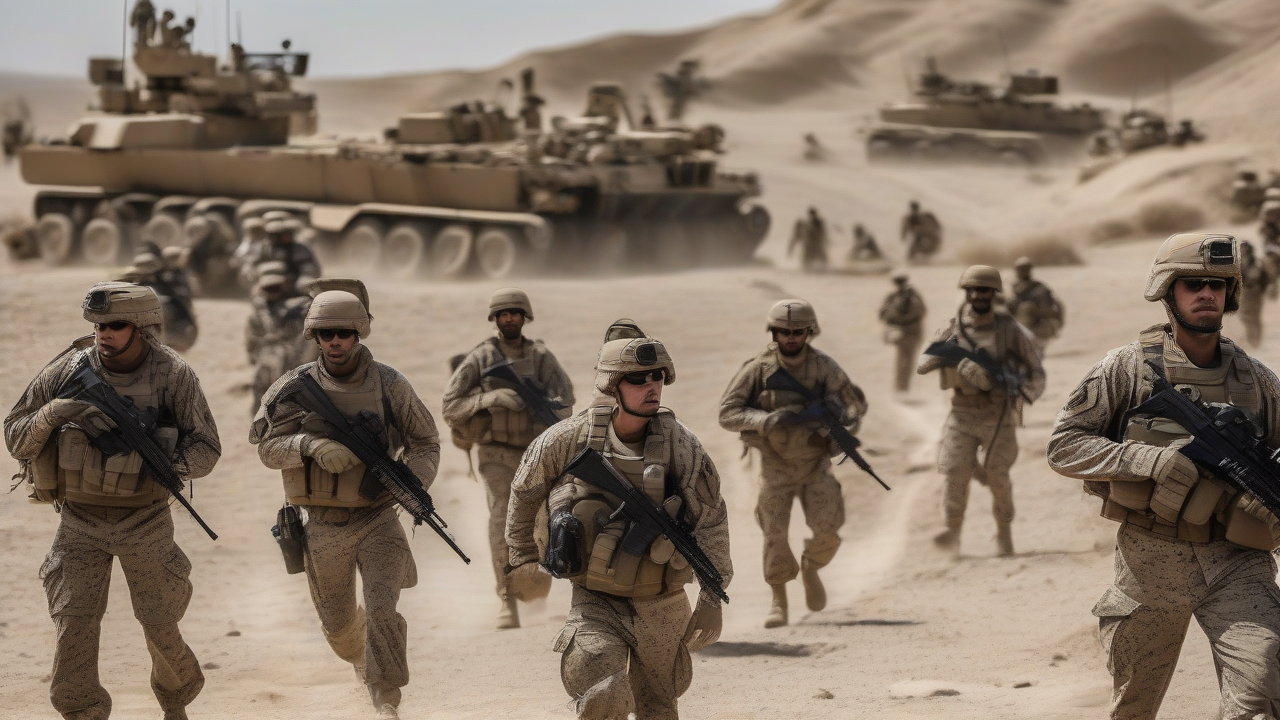
The United States and Iran are engaged in a high-stakes standoff, with the Trump administration deploying thousands of Marines to the region as part of its escalating response to Iranian aggression. According to reports from The Detroit News, this significant buildup of military personnel is intended to bolster the US presence in the area and deter further Iranian hostility.
Mixed Messages from the Trump Administration
Observers point out that the Trump administration has sent mixed signals regarding its strategy in Iran, with some officials suggesting that the US has already achieved its objectives, while others indicate that there is still more work to be done. As reported by NBC News, this inconsistency has led to confusion among allies and adversaries alike, making it difficult to discern the administration’s ultimate goals. Analysts note that this lack of clarity may undermine the effectiveness of US diplomacy in the region.
The President’s Instincts
In a recent statement, President Trump suggested that the conflict with Iran will conclude when he “feels it in his bones,” as quoted by Politico. This assertion has raised eyebrows among experts, who argue that such a subjective metric is insufficient for determining the outcome of a complex and volatile geopolitical situation. According to sources, the President’s instincts will play a significant role in shaping the US approach to the crisis, which may have far-reaching implications for the region and beyond.
Deployment of US Forces
The deployment of thousands of Marines to the Middle East, as reported by The Detroit News, is a significant escalation of US military involvement in the region. This move is likely to increase tensions with Iran, which has already responded to previous US actions with aggressive rhetoric and provocative behavior. Experts warn that the situation is precarious and that miscalculations on either side could lead to unintended consequences, including a wider conflict.
International Reactions
The international community is watching the situation closely, with many leaders expressing concern about the potential for escalation. In a recent call with G7 leaders, President Trump reportedly claimed that Iran is “about to surrender,” according to Axios. However, this assessment is not universally shared, and many analysts believe that the Iranian regime is unlikely to capitulate in the face of US pressure.
Humanitarian Implications
The ongoing conflict has significant humanitarian implications, with civilians on both sides facing the risk of harm. The New York Times reports that Iranians are facing a “big hurdle” in their efforts to overthrow the regime, which has responded to protests with force. As the situation continues to deteriorate, there are fears that the humanitarian toll will increase, with potentially devastating consequences for the region.
What to Watch Next
As the situation in the Middle East continues to unfold, observers will be closely monitoring the actions of the US and Iranian governments. According to sources, the US is likely to maintain its tough stance on Iran, while the Iranian regime will continue to resist what it sees as external pressure. With the stakes high and the potential for miscalculation great, the international community will be watching with bated breath as the crisis plays out. The next few weeks will be critical in determining the trajectory of the conflict, with potential flashpoints including further US military deployments, Iranian retaliation, and diplomatic efforts to resolve the crisis.
Reader Comments