
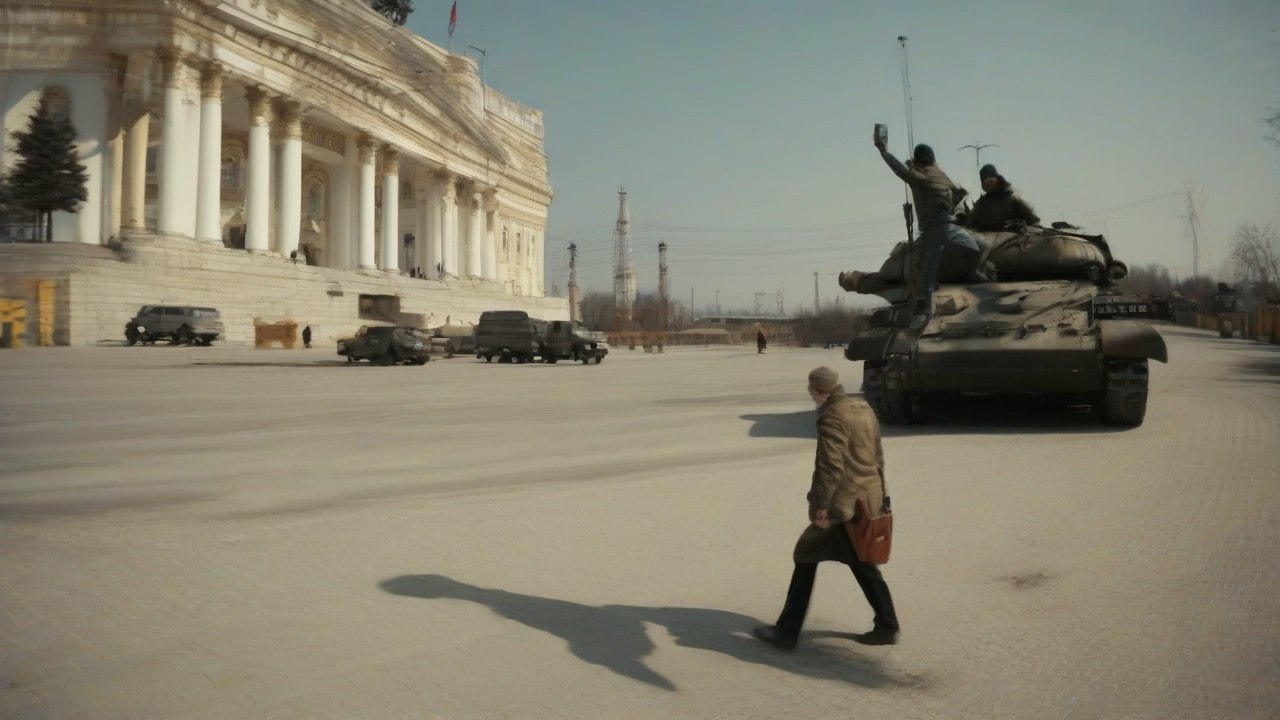
Escalating Conflict in the Middle East
The ongoing war between the US, Israel, and Iran has entered its 13th day, with both sides exchanging strikes and threats, according to reports from CNN and Reuters. As the conflict intensifies, the global energy market is feeling the strain, with energy prices soaring to unprecedented levels. In an effort to mitigate the effects of the rising energy costs, the US is considering easing sanctions on Russian oil, as reported by the Financial Times.
Impact on Global Energy Markets
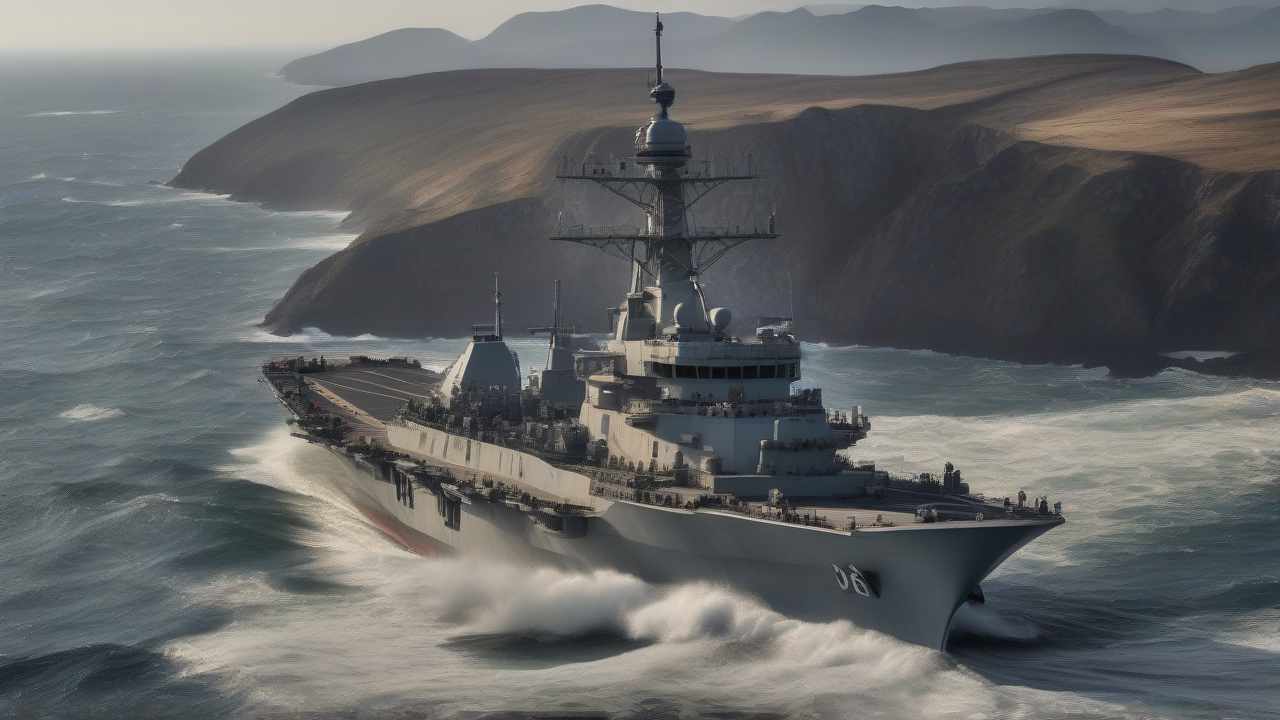
The move to ease sanctions on Russian oil is a significant development, as it signals a shift in the US’s approach to managing the global energy crisis. Analysts note that the decision is likely driven by the need to stabilize energy prices, which have been skyrocketing due to the conflict in the Middle East. The BBC reports that ship attacks in the Gulf have intensified, further disrupting oil supplies and exacerbating the price increases. As reported by The New York Times, the situation is being closely monitored by industry watchers, who warn that the ongoing conflict could have far-reaching consequences for the global economy.
Humanitarian Concerns
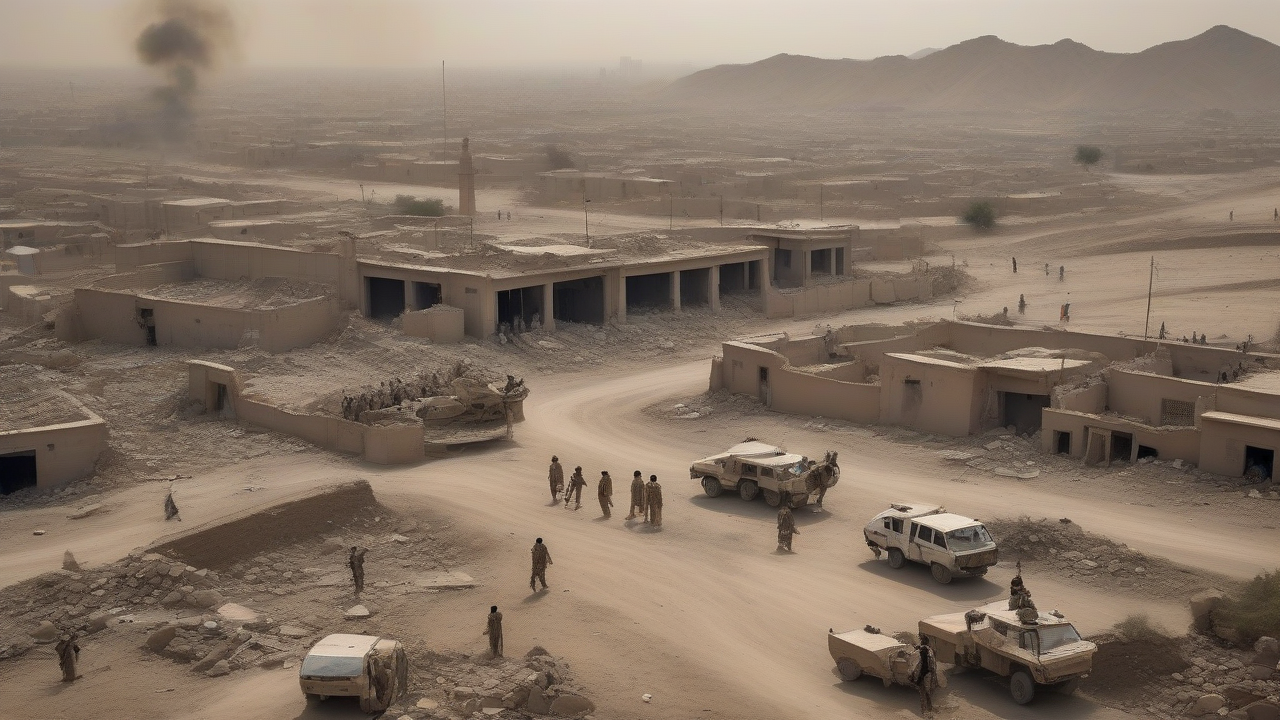
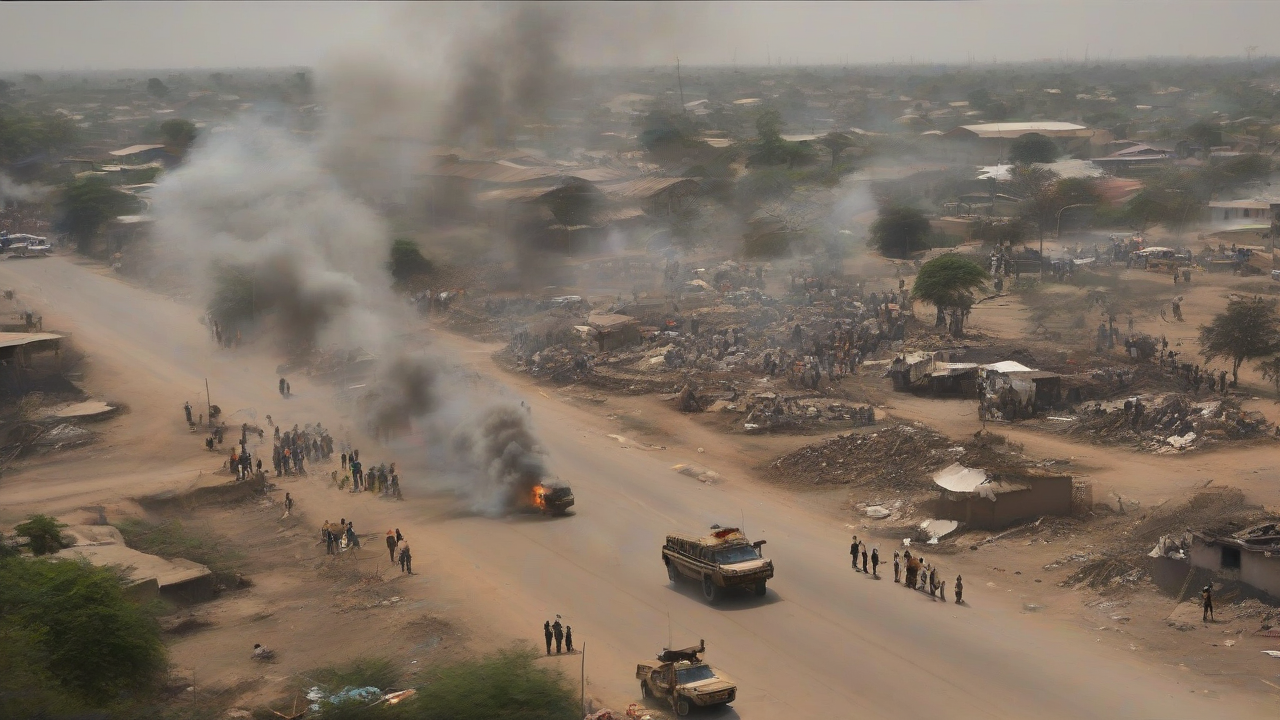
The escalating conflict is not only having an impact on the global energy market but also raising serious humanitarian concerns. The war has resulted in significant damage to infrastructure and civilian casualties, with both sides accusing each other of targeting non-military targets. Observers point out that the situation is becoming increasingly dire, with the potential for a widespread humanitarian crisis looming. According to sources, the international community is urging both sides to cease hostilities and engage in diplomatic efforts to resolve the conflict peacefully.
Geopolitical Implications
The conflict in the Middle East has significant geopolitical implications, with the potential to draw in other regional and global players. Analysts note that the situation is complex, with multiple factions and interests at play. The US and Israel’s actions are being closely watched by other countries, including Russia, China, and European nations. As reported by the Financial Times, the easing of sanctions on Russian oil could be seen as a strategic move to counterbalance the influence of other global powers in the region.
What’s Next
As the conflict enters its 14th day, the situation remains highly volatile. The US and Israel are expected to continue their military campaign against Iran, while the Iranian government has vowed to retaliate against any further aggression. The international community is bracing for the potential consequences of a prolonged conflict, including a widespread humanitarian crisis and further disruption to global energy markets. According to sources, diplomatic efforts are underway to try to broker a peace agreement, but the outcome remains uncertain. As the situation continues to unfold, the world will be watching closely to see what developments emerge in the coming days and weeks.
Reader Comments