
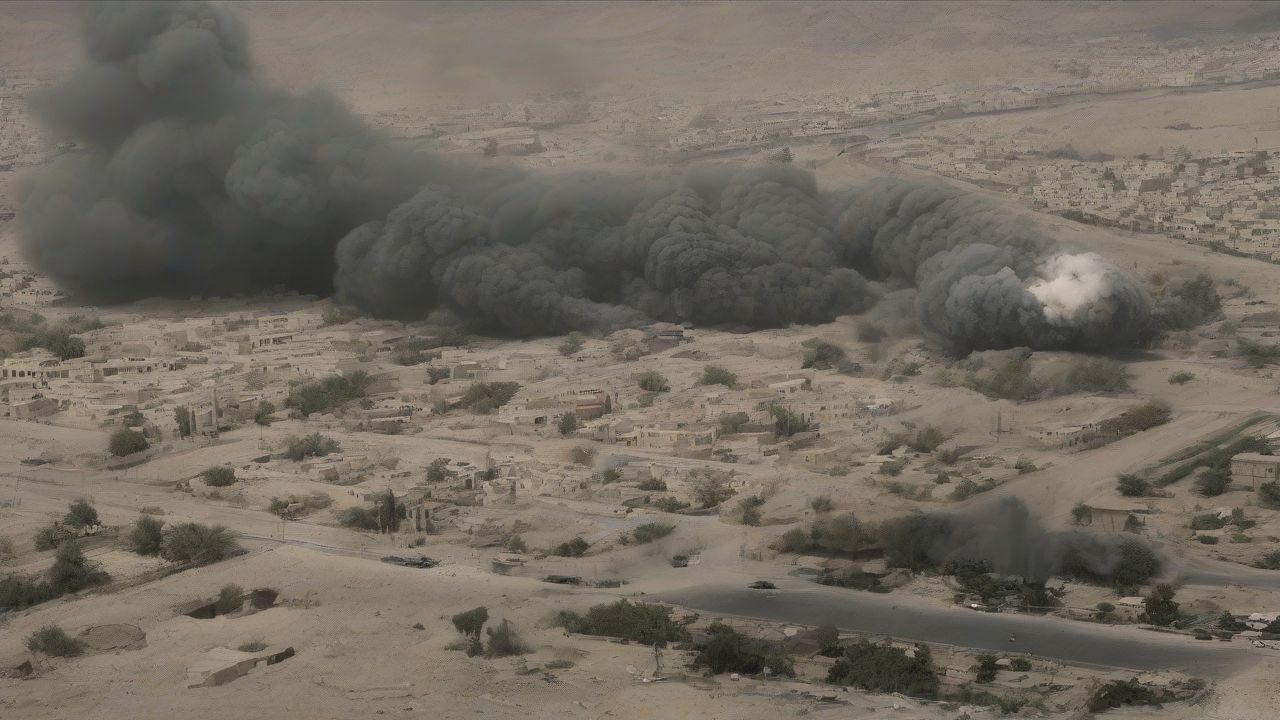
Recent Airstrikes in Iran Raise Environmental Concerns
A series of U.S. bombings in Iran has led to reports of “acid rain” falling in the country, prompting concerns about the environmental impact of the attacks. According to experts, the bombings have released toxic chemicals into the atmosphere, resulting in the formation of acid rain. As reported by PBS, an atmospheric scientist has weighed in on the phenomenon, explaining the science behind the acid rain.
The Science Behind Acid Rain
The bombings, which targeted oil depots and other infrastructure in Tehran, have released large amounts of sulfur dioxide and nitrogen oxides into the atmosphere. These pollutants can react with water and oxygen to form acid rain, which can have devastating effects on the environment and human health. Analysts note that the use of certain types of munitions in the bombings may have contributed to the formation of acid rain, as they can release large amounts of toxic chemicals into the air.
Environmental and Health Impacts
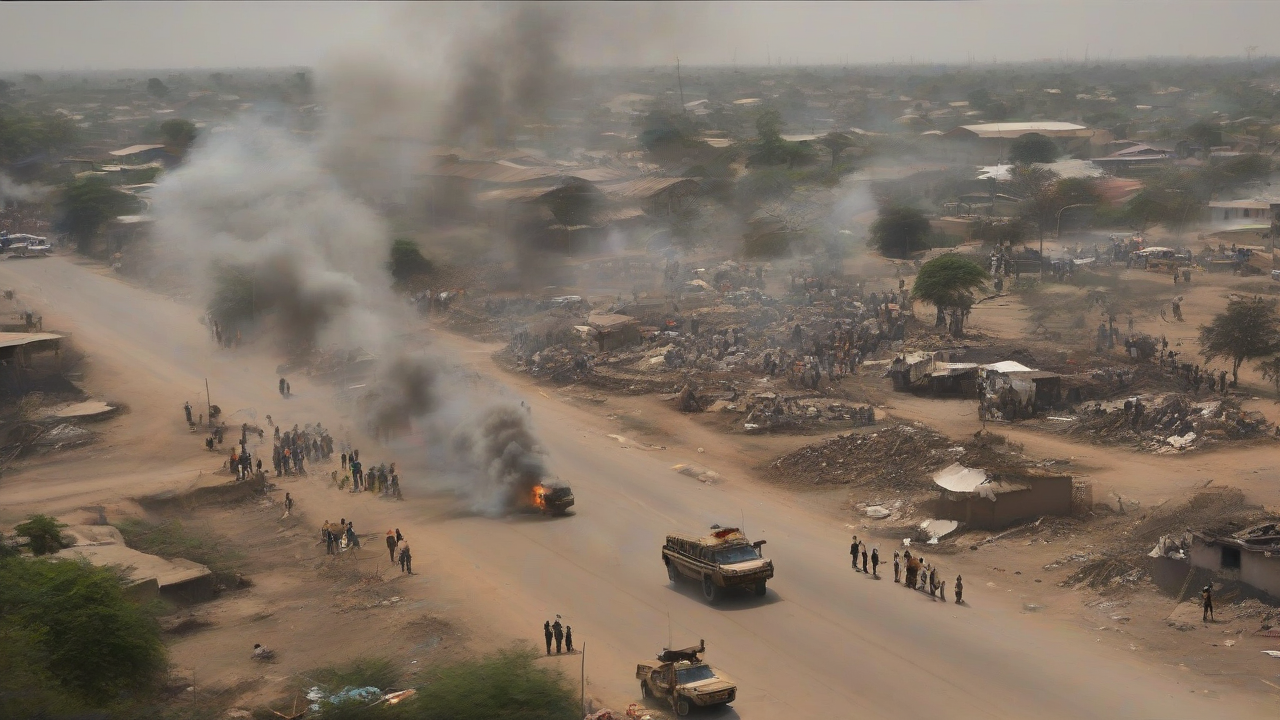
The acid rain caused by the bombings has significant implications for the environment and human health in Iran. Observers point out that acid rain can damage crops, contaminate water sources, and harm wildlife, leading to long-term ecological damage. Additionally, the toxic chemicals released by the bombings can cause respiratory problems and other health issues for people living in the affected areas. As described by The Guardian, Iranians have reported scenes of catastrophe after the bombings, with many describing the air as “dark, like our future.”
Regional Tensions and Global Implications
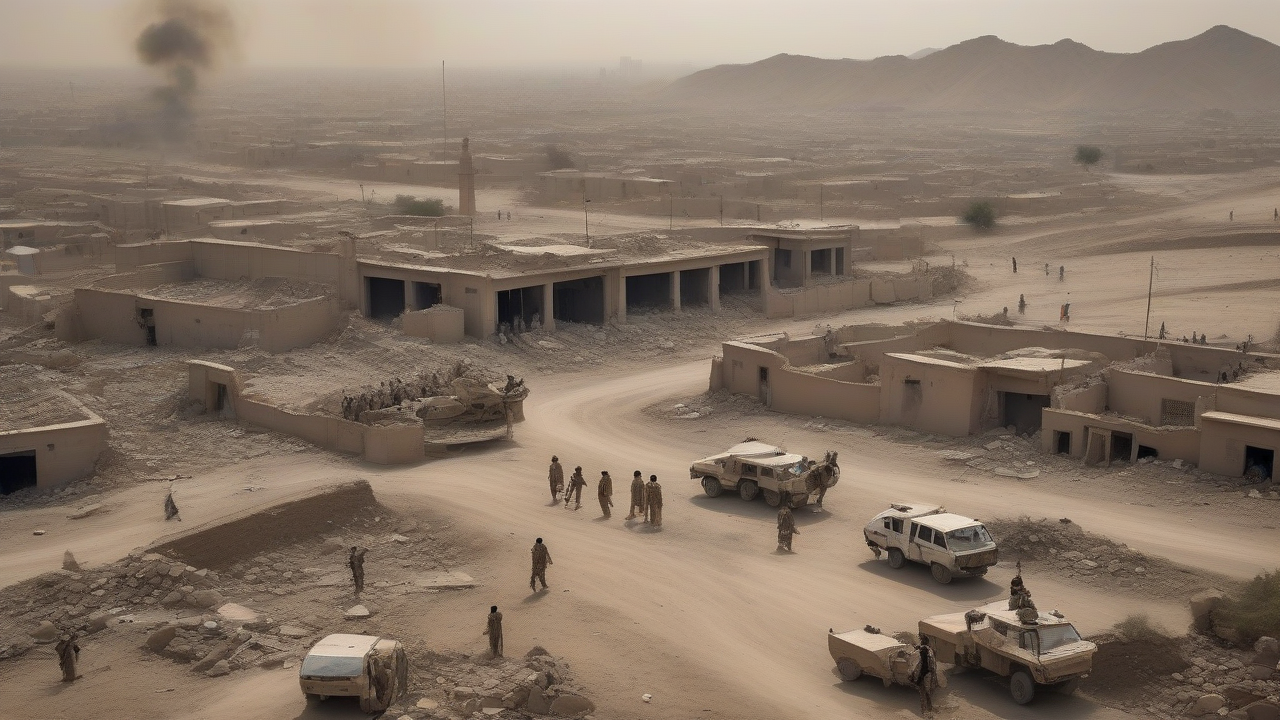
The bombings in Iran are part of a larger conflict in the region, with tensions between the U.S. and Iran escalating in recent months. The New York Times has reported on the latest developments in the conflict, including strikes in Beirut and ship attacks near the Strait of Hormuz. The conflict has significant implications for global oil supplies, with analysts warning of potential disruptions to the global economy. According to Reuters, satellite images have captured the aftermath of the bombings, showing toxic clouds over Tehran and the destruction of Iran’s vintage American-made F-14 Tomcats.
What’s Next
As the conflict in Iran continues to unfold, observers will be watching closely for any further developments. The U.S. and Iran are expected to engage in diplomatic efforts to resolve the conflict, but the outcome is uncertain. In the meantime, the environmental and health impacts of the bombings will be closely monitored, with experts warning of potential long-term consequences. As reported by Business Insider, the bombings have already had a significant impact on Iran’s infrastructure, with many wondering what the future holds for the country. Sources indicate that the international community will be watching closely to see how the situation develops, with many calling for a peaceful resolution to the conflict.

Reader Comments