
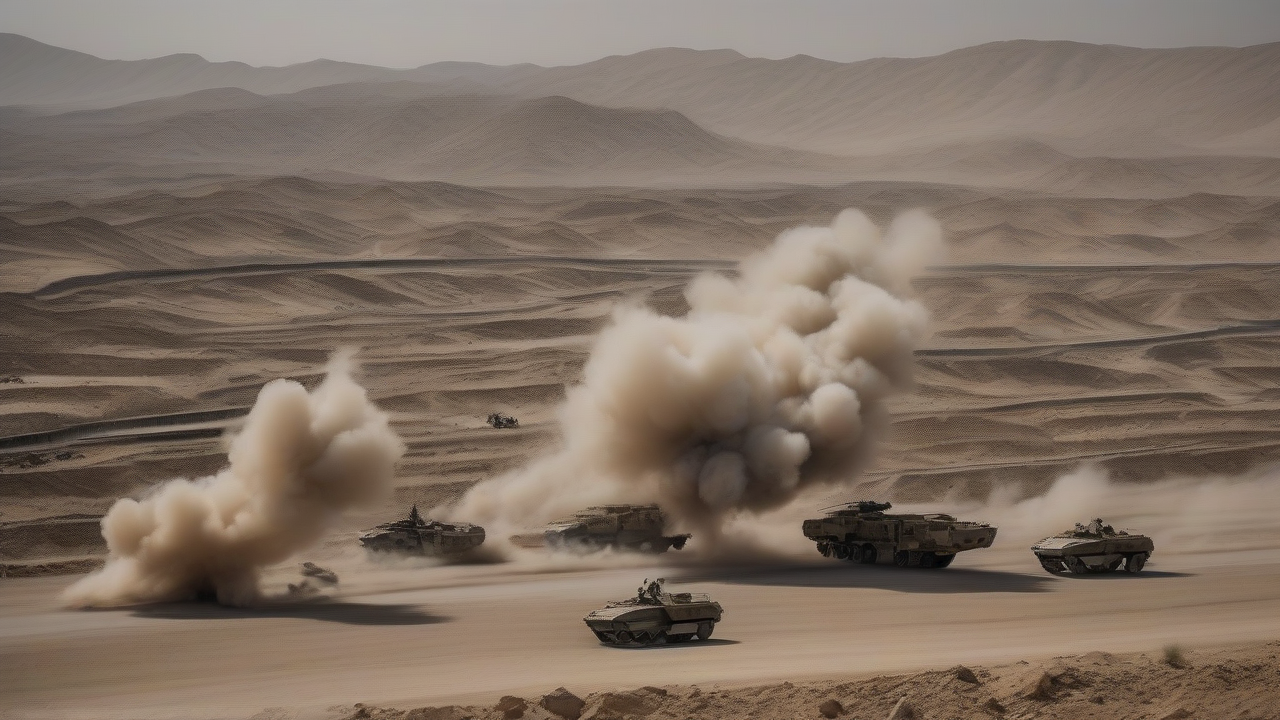
Escalating Conflict: US and Israel’s War with Iran Enters Second Week
As the conflict between the US, Israel, and Iran enters its 14th day, the situation continues to deteriorate, with both sides exchanging strikes and threats. According to reports from CNN, the US has launched intense strikes against Iran, while the Iranian air campaign has driven oil prices higher, as noted by the San Francisco Chronicle. The escalation of the conflict has significant implications for global stability and the economy.
Rising Tensions and Oil Prices
The conflict has led to a surge in oil prices, with the Iranian air campaign targeting oil tankers and facilities in the Gulf. This has resulted in a significant increase in oil prices, affecting countries around the world. In response to the rising oil prices, South Korea has capped oil prices for the first time in decades, as reported by CNN. Analysts note that this move is aimed at mitigating the impact of the price hike on the country’s economy. Observers point out that the conflict has the potential to disrupt global oil supplies, leading to further price increases and economic instability.
Intensified Ship Attacks and Strikes
The BBC reports that ship attacks in the Gulf have intensified, with Israel launching new strikes in Lebanon. This has led to a significant escalation of the conflict, with both sides trading strikes and threats. The situation is being closely monitored by observers, who note that the conflict has the potential to draw in other countries in the region. As reported by Reuters, the conflict is approaching the two-week mark, with no signs of a ceasefire or diplomatic resolution.
Global Implications and Concerns
The conflict between the US, Israel, and Iran has significant implications for global stability and security. Experts note that the conflict has the potential to destabilize the entire region, leading to a wider conflict. The economic implications of the conflict are also a major concern, with the rise in oil prices affecting countries around the world. According to sources, the conflict is being closely watched by other countries, who are concerned about the potential consequences of a wider conflict.
What to Watch Next
As the conflict enters its second week, observers are watching for any signs of a diplomatic resolution or ceasefire. The US and Israel are likely to continue their strikes against Iran, while Iran is expected to retaliate with its air campaign. The situation in the Gulf is also being closely monitored, with any further escalation of ship attacks likely to have significant implications for global oil supplies. As reported by CNN, the situation is fluid and unpredictable, with the potential for further escalation or diplomatic breakthroughs. Sources indicate that the next few days will be critical in determining the course of the conflict and its implications for the region and the world.

Reader Comments