
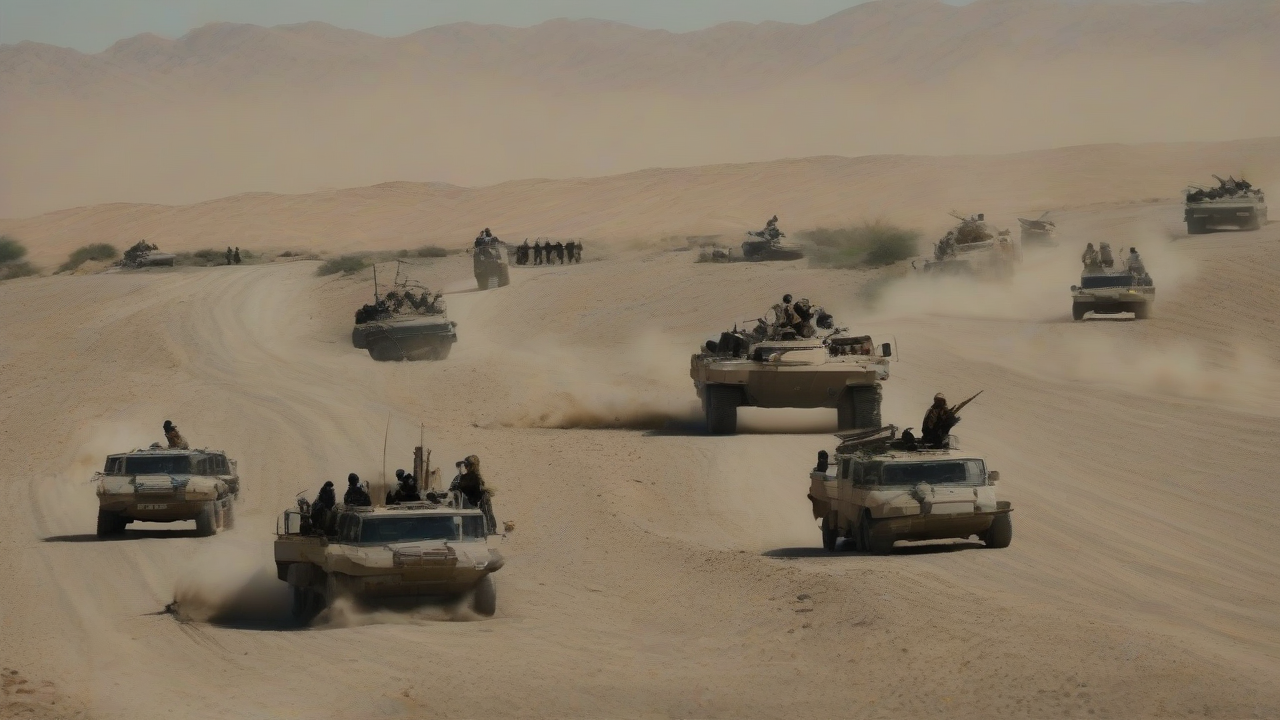
Rising Tensions in the Strait of Hormuz
The international community is grappling with the implications of escalating tensions between the United States and Iran, as reported by BBC World. A key flashpoint in this crisis is the Strait of Hormuz, a critical waterway through which a significant portion of the world’s oil passes. According to analysts, the situation is fraught with complexity, and European leaders are adopting a cautious approach to addressing the issue.
A Delicate Balance
Observers point out that European nations are hesitant to provide military assistance to help the United States secure the Strait of Hormuz, citing concerns about being drawn into a potentially protracted and costly conflict. However, they also recognize that inaction is not a viable option, as a disruption to oil supplies could have far-reaching economic consequences. As one expert noted, the move signals a deep-seated unease among European leaders about the potential consequences of their actions.
Historical Context
The current crisis is not an isolated incident, but rather the latest chapter in a long-standing history of tensions between the United States and Iran. The 1979 Iranian Revolution, which overthrew the US-backed Shah, marked a significant turning point in relations between the two nations. Since then, there have been numerous periods of heightened tension, including the 1980s Iran-Iraq War and the more recent controversy surrounding Iran’s nuclear program. Analysts note that understanding this historical context is essential to grasping the complexities of the current situation.
Economic Implications
The potential consequences of a disruption to oil supplies in the Strait of Hormuz are significant, with observers warning of a potential spike in oil prices and widespread economic instability. According to sources, this could have a disproportionate impact on certain industries, such as aviation and shipping, which are heavily reliant on oil. Furthermore, the effects could be felt far beyond the region, with potential ramifications for global trade and economic growth.
International Cooperation
As the situation continues to unfold, all eyes are on the international community, with many wondering what role European leaders will play in addressing the crisis. While they may be hesitant to provide military assistance, they are likely to pursue diplomatic channels to help de-escalate tensions. As reported by BBC World, this could involve engaging in talks with Iranian officials, as well as working closely with other international partners to find a peaceful resolution to the crisis.
What’s Next
Looking ahead, analysts note that the coming weeks and months will be critical in determining the trajectory of the crisis. With several key deadlines looming, including upcoming meetings of the United Nations Security Council, the international community will be watching closely to see how events unfold. According to sources, a key factor in determining the outcome will be the ability of European leaders to navigate the complex web of alliances and interests at play, while also addressing the underlying concerns that have contributed to the current crisis. As one expert observed, the situation is highly fluid, and it remains to be seen what the ultimate outcome will be.
Reader Comments