

Rising Tensions in the Middle East
The United States and Iran are set to engage in a second round of nuclear talks, according to reports from Geneva, where the negotiations are taking place. This development comes at a time when the U.S. is bolstering its military presence in the Middle East, and Iran is conducting large-scale maritime exercises, signaling escalating tensions between the two nations. As reported by AP News, these talks are part of ongoing efforts to address Iran’s disputed nuclear program.
A Show of Force
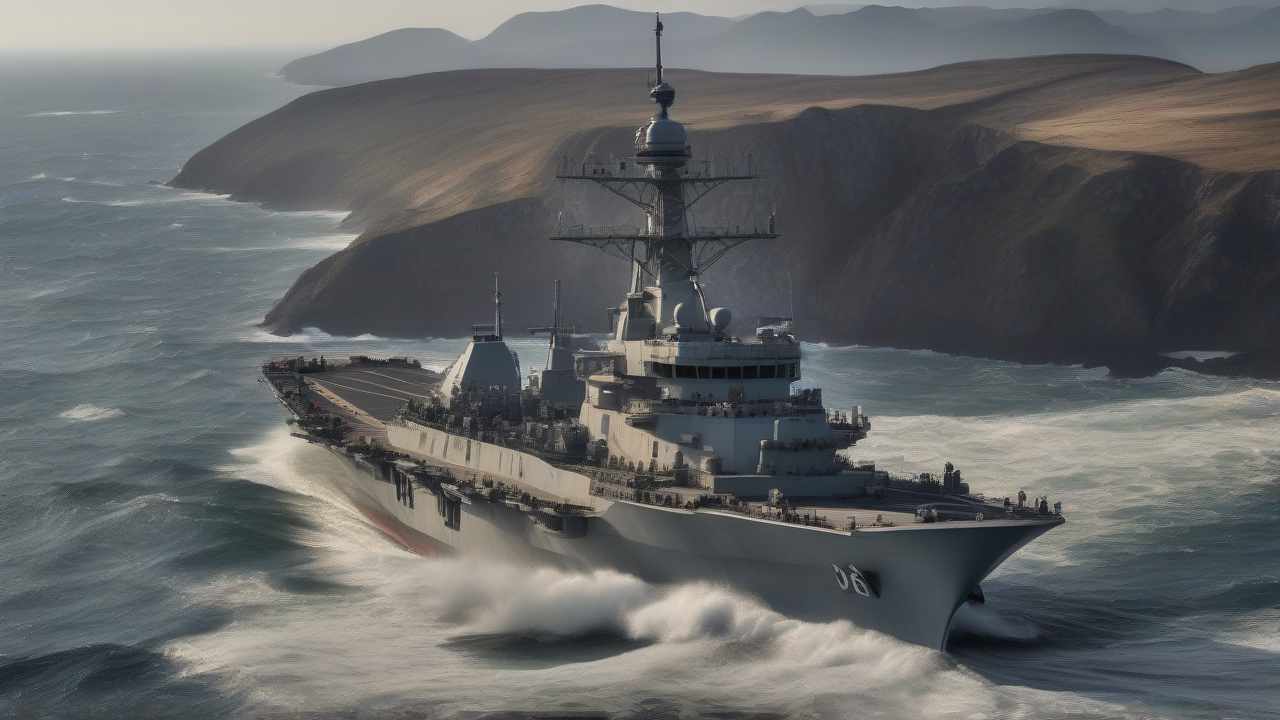
In a move that analysts note is a rare display of military might, Iran announced the temporary closure of the Strait of Hormuz for live-fire military drills. This strategic waterway is crucial for global oil trade, and such exercises underscore the potential for disruption in the region. Observers point out that this show of force coincides with the nuclear talks, suggesting that Iran may be seeking to leverage its military capabilities to influence the negotiations.
Context and Implications
The current situation is fraught with complexity, given the history of tensions between the U.S. and Iran. The move to increase military presence in the Middle East by the U.S. is seen by some as a precautionary measure, while others view it as an escalation. Meanwhile, Iran’s maritime exercises and the closure of the Strait of Hormuz for military drills indicate a readiness to respond to perceived threats. Experts emphasize that the stakes are high, not just for the region but globally, as any miscalculation could lead to significant economic and political repercussions.
Impact Analysis
The impact of these developments is far-reaching, affecting not only the United States and Iran but also their allies and the global community. The potential for conflict in the Middle East could lead to instability in oil markets, affecting economies worldwide. Furthermore, the success or failure of the nuclear talks could have long-term implications for regional and global security. As sources indicate, the international community is watching these developments closely, hoping for a diplomatic resolution that would ease tensions and prevent escalation.
Expert Perspective
Analysts note that the decision by the U.S. and Iran to continue negotiations despite the heightened military activity suggests a willingness to find a peaceful resolution. However, the move signals a challenging road ahead, with both sides needing to make significant concessions to reach an agreement. The negotiations are indirect, which observers point out can be both a blessing and a curse—allowing for dialogue without the immediate pressure of face-to-face negotiations, but also potentially slowing the process.
Forward-Looking
As the second round of talks commences, all eyes are on Geneva, waiting to see if the U.S. and Iran can make progress on the nuclear issue. Upcoming developments, including the outcome of these talks and the continuation or cessation of military exercises, will be crucial in determining the trajectory of U.S.-Iran relations. According to AP News, the temporary closure of the Strait of Hormuz and the ongoing military buildup underscore the urgency of finding a diplomatic solution to avoid further escalation. The world watches as these events unfold, aware that the next steps taken by the U.S. and Iran will have significant implications for global peace and stability.
Reader Comments