
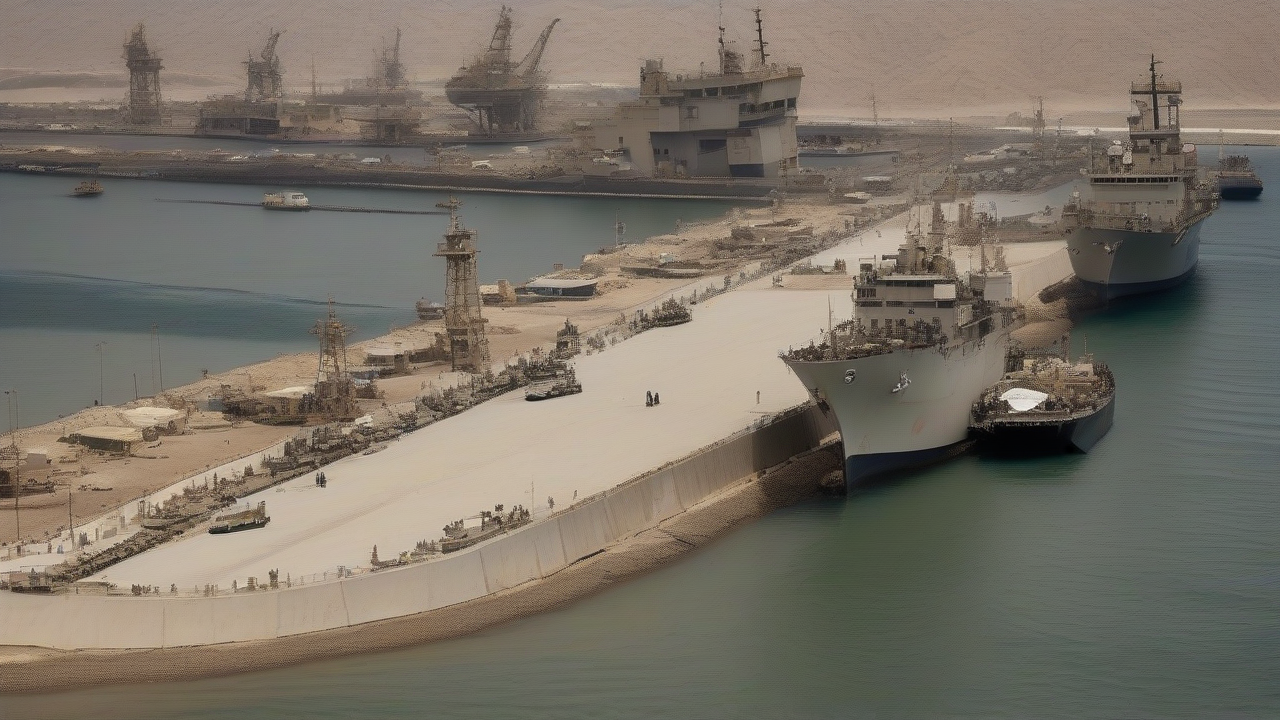
Rising Tensions in the Strait of Hormuz
A critical waterway that accounts for nearly a third of the world’s seaborne oil exports, the Strait of Hormuz has become a focal point of escalating tensions between Iran and the United States. According to a report by The New York Times, despite warnings and indicators of potential conflict, little was done to prevent the current crisis from unfolding. Analysts note that the situation highlights the complex and often unpredictable nature of geopolitical relations in the region.
Historical Context and Implications
The Strait of Hormuz, a narrow passage connecting the Persian Gulf to the Gulf of Oman, has long been a source of contention due to its strategic importance. Observers point out that the move by Iran to exert control over the strait signals a significant escalation in the country’s efforts to counter US influence in the region. As reported by Reuters, Iran’s actions have already led to an oil shock, with potential long-term implications for global energy markets. This development comes as no surprise to industry watchers, who have been warning about the risks of conflict in the region for some time.
Impact on Global Energy Markets
The situation in the Strait of Hormuz has significant implications for global energy markets. According to sources, nearly 20% of the world’s oil supply passes through the strait, making it a critical chokepoint. The potential for disruption to oil supplies has already led to increased prices, with analysts warning of further volatility in the market. As noted by The Hill, the US faces perilous options in responding to the situation, with any misstep potentially leading to further escalation.
Expert Analysis
Experts in the field note that the current situation is the result of a complex interplay of factors, including geopolitical tensions, economic interests, and historical grievances. The move by Iran to assert control over the strait is seen as a calculated attempt to counter US influence in the region. As reported by WSJ, a visual guide to the situation highlights the strategic importance of the strait and the potential risks of conflict. Meanwhile, Axios reports that one of Iran’s most destructive weapons could potentially threaten the US, further complicating the situation.
Forward-Looking Analysis
As the situation continues to unfold, observers are watching closely for any signs of escalation or de-escalation. According to sources, the US is considering a range of options in response to the situation, including diplomatic and military measures. Analysts note that any decision will have significant implications for the region and global energy markets. As reported by The New York Times, the situation highlights the need for careful consideration and strategic thinking in responding to the crisis. With the potential for further volatility in the market, industry watchers are advising caution and close monitoring of developments in the region.
What to Watch Next
In the coming days and weeks, observers will be watching closely for any signs of progress in diplomatic efforts to resolve the situation. The US and its allies are likely to continue to pressure Iran to stand down, while Iran is expected to maintain its assertive stance. As the situation continues to unfold, it is clear that the stakes are high, with significant implications for global energy markets and regional stability. According to sources, the next few weeks will be critical in determining the outcome of the situation, with any misstep potentially leading to further escalation.


Reader Comments