

Crisis in Darfur: UN Experts Sound Alarm on Potential Genocide
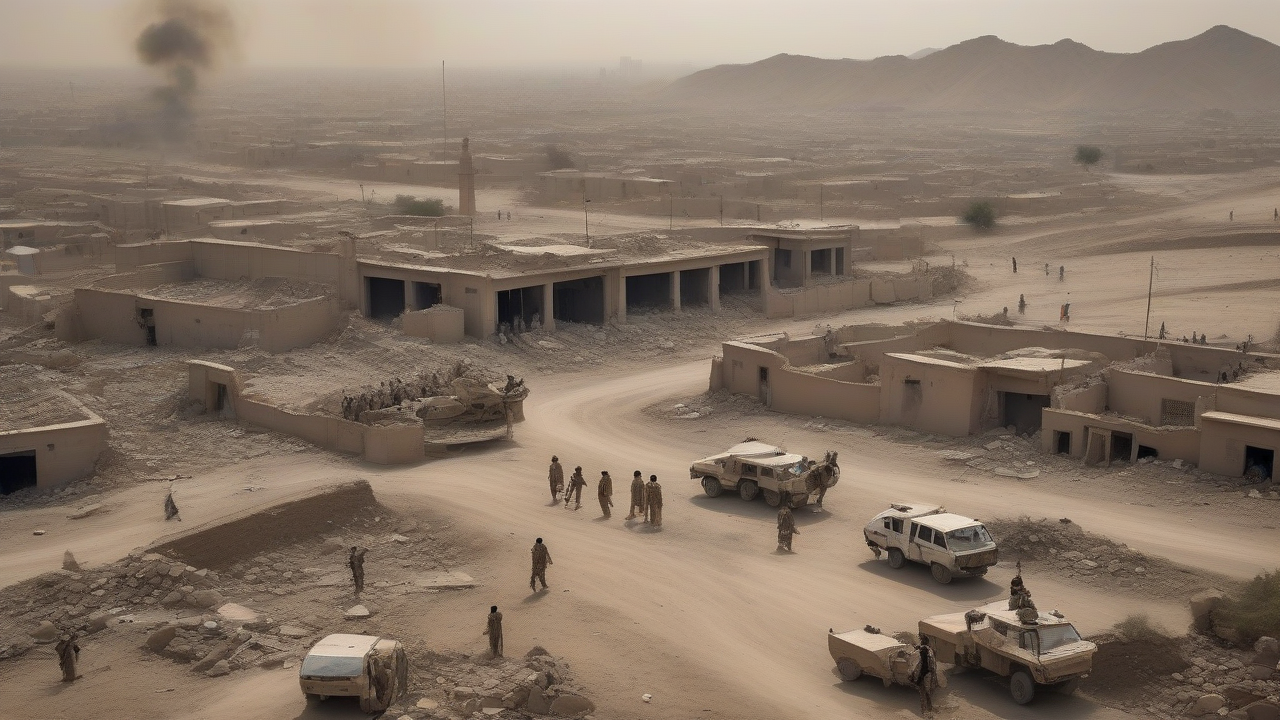
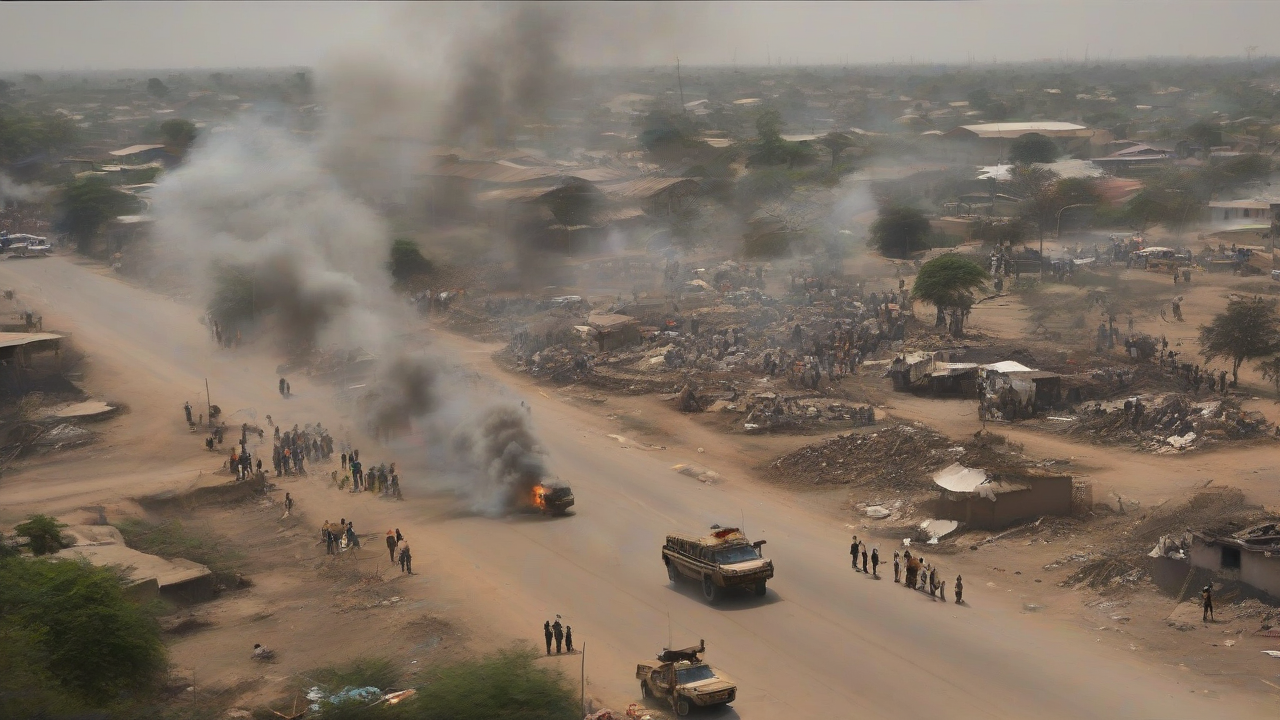
A recent investigation by UN-backed human rights experts has uncovered disturbing evidence of violence in Sudan’s Darfur region, particularly in the city of el-Fasher, which bears striking similarities to genocide. According to the experts, the paramilitary Rapid Support Forces (RSF) carried out a systematic campaign of destruction against non-Arab communities in October, leaving a trail of devastation and human suffering in its wake. As reported by the Associated Press, this disturbing trend has raised concerns among observers about the potential for further escalation and the need for immediate international attention.
Historical Context and Broader Implications
The Darfur region has been plagued by conflict and violence for decades, with the Sudanese government and various armed groups vying for control. The current crisis is a stark reminder of the region’s tumultuous past and the ongoing struggles of its people. Analysts note that the situation in Darfur is part of a larger pattern of ethnic and tribal tensions in the region, which have been exacerbated by political instability and competition for resources. The move by the RSF to target non-Arab communities signals a worrying escalation of these tensions, with potentially catastrophic consequences for the region and its inhabitants.
Impact on Local Communities
The violence perpetrated by the RSF has had a devastating impact on local communities, with many residents forced to flee their homes and seek refuge in nearby camps or towns. Sources indicate that the campaign of destruction has resulted in significant loss of life, injury, and displacement, as well as widespread destruction of property and infrastructure. Observers point out that the humanitarian crisis in Darfur is likely to worsen unless urgent action is taken to address the root causes of the conflict and protect vulnerable populations. The stakes are high, with the potential for further violence, displacement, and human suffering hanging in the balance.
International Response and Next Steps
As the situation in Darfur continues to deteriorate, the international community is under increasing pressure to respond. According to experts, the UN and other international organizations must take a more proactive role in addressing the crisis, including providing humanitarian aid, supporting peace negotiations, and holding perpetrators of violence accountable. The move signals a growing recognition of the need for collective action to prevent further atrocities and promote stability in the region. Looking ahead, observers will be watching closely for signs of progress, including the implementation of ceasefire agreements, the deployment of international peacekeeping forces, and the provision of aid to affected communities. As the crisis in Darfur continues to unfold, one thing is clear: the international community must act swiftly and decisively to prevent a potential genocide and promote a lasting peace in the region.

Reader Comments