
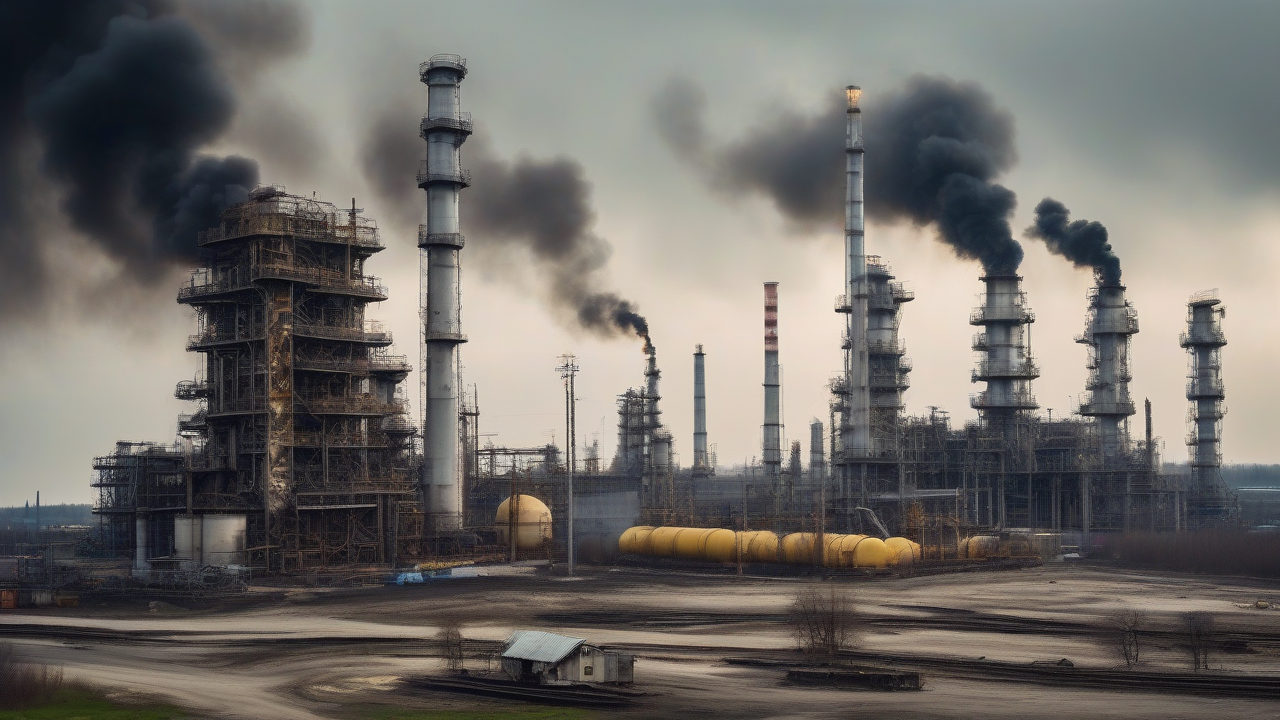
Escalating Conflict: Drone Strikes Hit Russian Oil Refinery and Port
In a significant escalation of the ongoing conflict, Ukrainian drones have struck a major oil refinery and port in Russia’s Krasnodar region, according to reports from Reuters and Bloomberg.com. The attack, which also targeted a chemical plant, marks a notable expansion of Ukraine’s military efforts into Russian territory. As reported by Українська правда, Ukraine’s General Staff has confirmed a strike on an airfield in Russia’s Adygea, further indicating the widening scope of the conflict.
Broader Implications and Context
Analysts note that these drone strikes signal a shift in Ukraine’s strategy, potentially aiming to disrupt Russia’s critical infrastructure and economy. The Krasnodar region, where the refinery and port are located, is a key hub for Russia’s oil exports. Observers point out that such attacks could have far-reaching consequences, including potential shortages and price increases in the global energy market. As the conflict continues to unfold, experts warn of the risks of escalation and the need for diplomatic efforts to prevent further destabilization.
Impact on Civilians and Infrastructure
The strikes have raised concerns about the safety of civilians and the potential for environmental damage. According to UNITED24 Media, the drone attacks hit Russia’s Port of Kavkaz, an oil refinery, and a chemical plant overnight, resulting in unspecified damage and potential risks to the surrounding population. The Kyiv Independent reports that Ukraine has also targeted an oil hub in Russia’s Krasnodar Krai, highlighting the conflict’s impact on critical infrastructure. As the situation develops, the humanitarian implications and potential for long-term damage to the region’s ecosystem are becoming increasingly pressing.
Retaliation and Escalation
In response to the drone strikes, Russia has launched retaliatory attacks on Ukrainian cities, including Kyiv, which came under fire recently. The move signals a dangerous escalation of the conflict, with both sides engaging in tit-for-tat exchanges. Experts warn that this cycle of retaliation could lead to further destabilization and human suffering. As reported by Bloomberg.com, the situation remains volatile, with the international community calling for restraint and a return to diplomatic negotiations.
What to Watch Next
As the conflict continues to unfold, observers will be closely watching the responses of international leaders and the potential for further escalation. Upcoming diplomatic meetings and negotiations may provide insight into the prospects for a peaceful resolution. Meanwhile, the humanitarian situation on the ground will remain a pressing concern, with aid organizations and governments working to provide support to affected populations. According to sources, the next few days will be critical in determining the trajectory of the conflict, with the world watching anxiously for signs of de-escalation or further violence.

Reader Comments