
Rising Tensions in the Strait of Hormuz
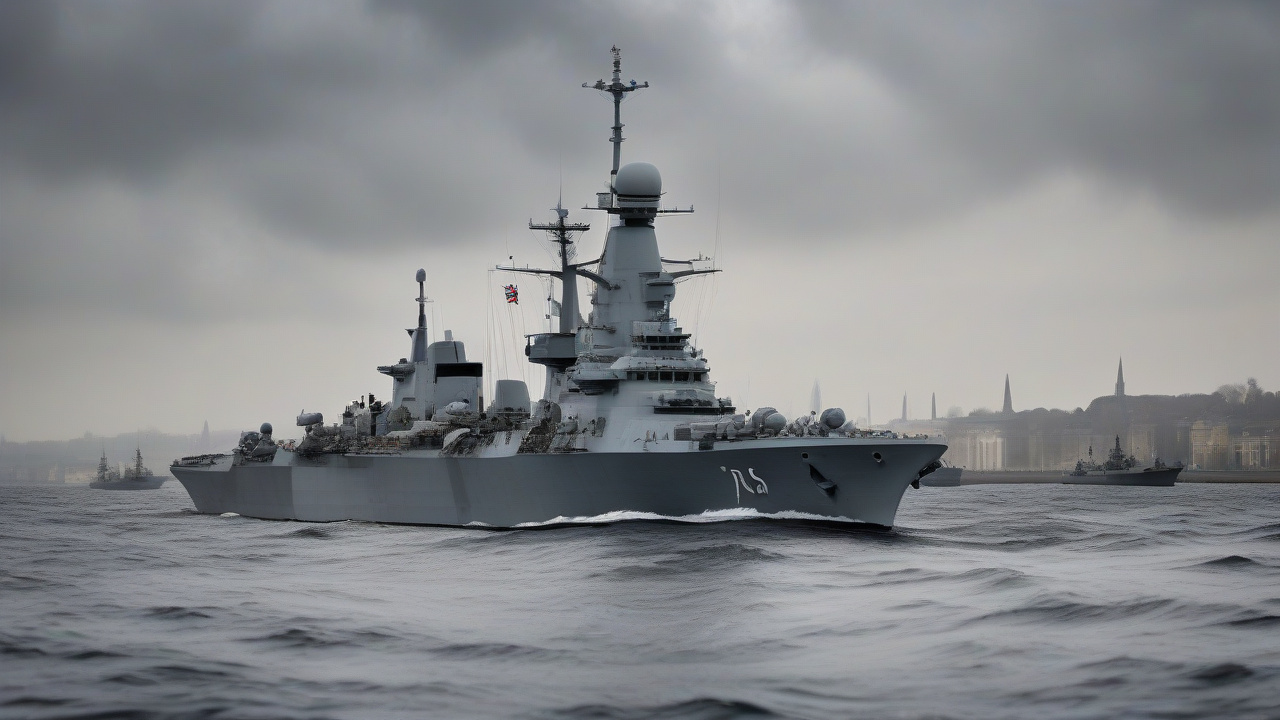
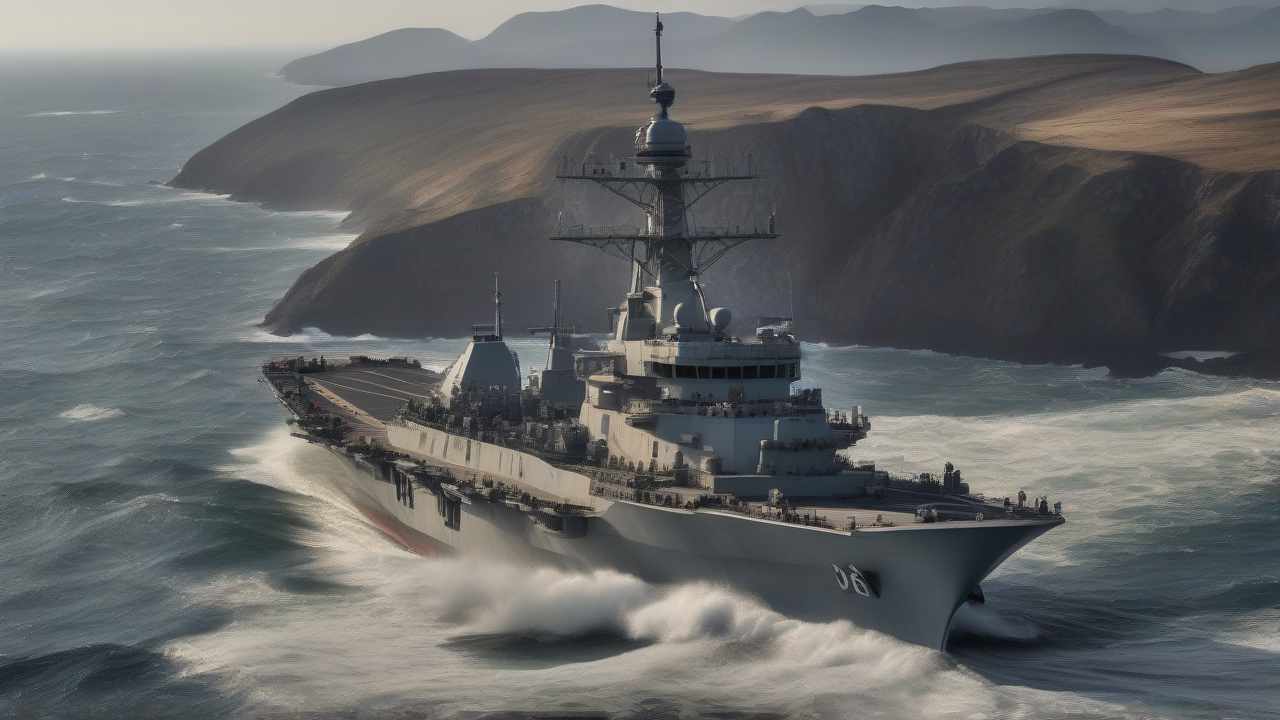
The United Kingdom and its allies have declined a request from the United States to deploy warships to the Strait of Hormuz, according to reports from the Kyiv Post and the Financial Times. This decision comes as the strategic waterway remains blocked, sparking concerns over the potential for a wider conflict in the region. Analysts note that the move signals a reluctance on the part of European nations to be drawn into a larger war, despite calls from the US for increased military presence.
A Delicate Balance of Power
Observers point out that the situation in the Strait of Hormuz is fraught with complexity, with multiple nations vying for influence in the region. The UK’s decision to resist being drawn into a wider war, as reported by Reuters, suggests a careful balancing act between maintaining relations with the US and avoiding escalation with Iran. As the Guardian notes, UK leader Keir Starmer has offered help in securing the strait, but has stopped short of committing to a military deployment. This approach underscores the challenges faced by European leaders in navigating the treacherous waters of Middle Eastern geopolitics.
Broader Implications
The standoff in the Strait of Hormuz has significant implications for global trade and security, as the waterway is a critical conduit for oil exports. Experts warn that a prolonged blockade could have far-reaching consequences, including increased prices and decreased stability in the region. According to sources, the EU has ruled out sending warships to the area, citing a desire to avoid further escalation. This decision highlights the difficulties faced by international leaders in addressing the crisis, as they seek to balance competing interests and avoid being drawn into a wider conflict.
Impact on Regional Stability
The refusal of the UK and its allies to deploy warships to the Strait of Hormuz will likely have significant consequences for regional stability. Analysts note that the move may be seen as a sign of weakness by Iran, potentially emboldening the country to take further action. On the other hand, the decision may also be viewed as a prudent attempt to avoid escalation, as the UK and its allies seek to maintain a delicate balance of power in the region. As reported by the Financial Times, the situation remains highly volatile, with multiple nations and interests at play.
What to Watch Next
As the situation in the Strait of Hormuz continues to unfold, observers will be closely watching the responses of key players in the region. The US is likely to continue pressing its allies to increase their military presence, while Iran may seek to capitalize on the current situation to advance its own interests. With the EU having ruled out sending warships, attention will turn to other potential solutions, including diplomatic efforts to resolve the crisis. According to sources, the coming days and weeks will be critical in determining the trajectory of the conflict, as international leaders seek to navigate the complex web of alliances and interests in the region.

Reader Comments