
Rising Tensions in the Strait of Hormuz
The United Kingdom is exploring a range of options to ensure the security of the Strait of Hormuz, a critical waterway in the Middle East, according to David Miliband, as reported by the BBC. This development comes amid escalating tensions in the region, which have sparked concerns about the safety of international shipping lanes.
Context and Implications
The Strait of Hormuz is a vital passage for global oil trade, with approximately 20% of the world’s oil supply passing through it. Any disruption to shipping in this area could have significant implications for the global economy, including increased oil prices and potential shortages. Analysts note that the current situation in the Middle East is complex and volatile, with multiple countries involved in the conflict. Observers point out that the UK’s consideration of various options to secure the Strait of Hormuz signals a growing concern about the potential consequences of inaction.
Potential Military Deployments
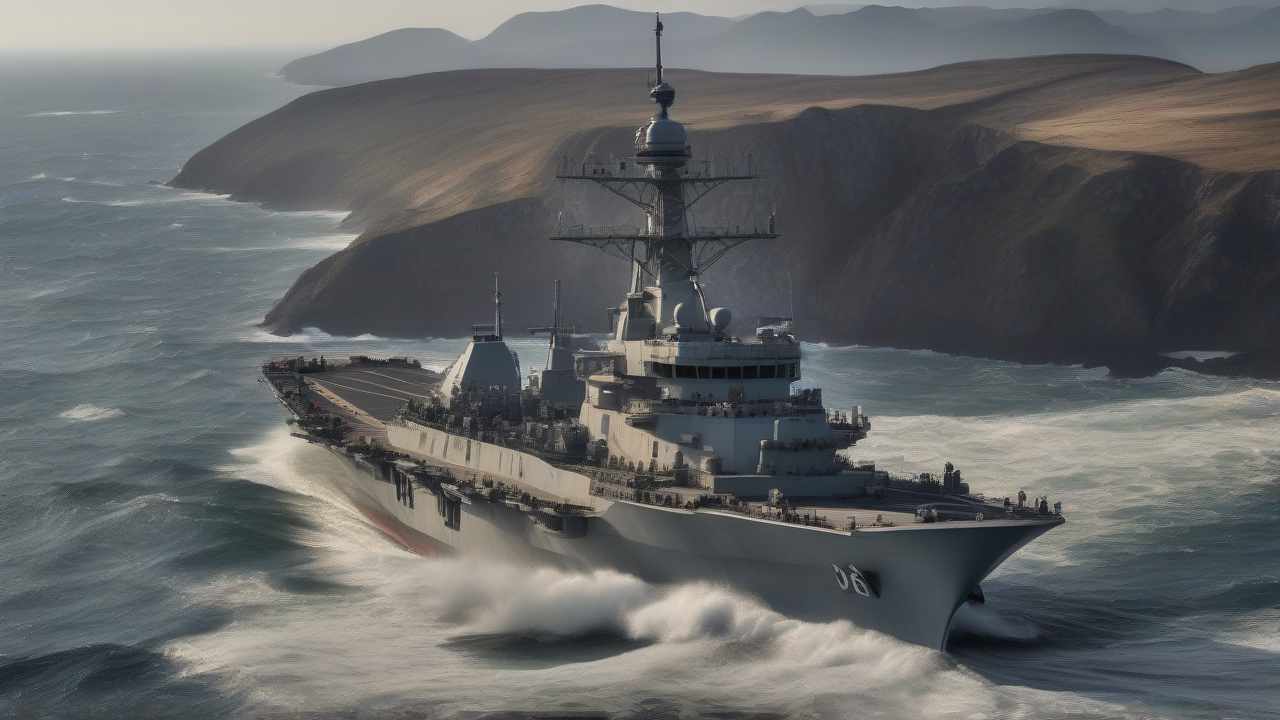
According to sources, the UK is considering deploying ships and mine-hunting drones to the region to help reopen the Strait of Hormuz, as reported by The Guardian. Additionally, the UK’s Starmer is reportedly weighing the option of sending anti-drone interceptors to the Middle East, as reported by The Times of Israel. These potential military deployments would aim to mitigate the risks posed by drones and other threats in the region. Experts indicate that the use of mine-hunting drones could be an effective way to clear the strait of any potential hazards, while anti-drone interceptors could help to neutralize the threat posed by enemy drones.
International Cooperation
The European Union is also involved in discussions about possible naval options for securing the Strait of Hormuz, as reported by the Financial Times. This international cooperation is seen as crucial in addressing the complex security challenges in the region. Analysts note that a coordinated approach would be more effective in ensuring the safety of shipping lanes and preventing further escalation of the conflict.
Impact on Global Trade
The ongoing tensions in the Middle East have already started to affect global trade, with some shipping companies rerouting their vessels to avoid the Strait of Hormuz. This has resulted in increased costs and potential delays for international trade. Observers point out that a prolonged disruption to shipping in the region could have far-reaching consequences for the global economy, including increased prices for oil and other commodities.
What to Watch Next
As the situation in the Middle East continues to evolve, observers will be closely watching the UK’s next moves in terms of securing the Strait of Hormuz. According to sources, the UK’s decision on whether to deploy military assets to the region is expected to be made in the coming weeks. Additionally, the outcome of the EU’s discussions on possible naval options will be closely monitored, as it could have significant implications for international cooperation on security issues in the region. As reported by Sky News, the UK is also considering the deployment of drones to the Middle East, which could potentially play a key role in securing the Strait of Hormuz.

Reader Comments