
Crackdown on Environmental Offenders
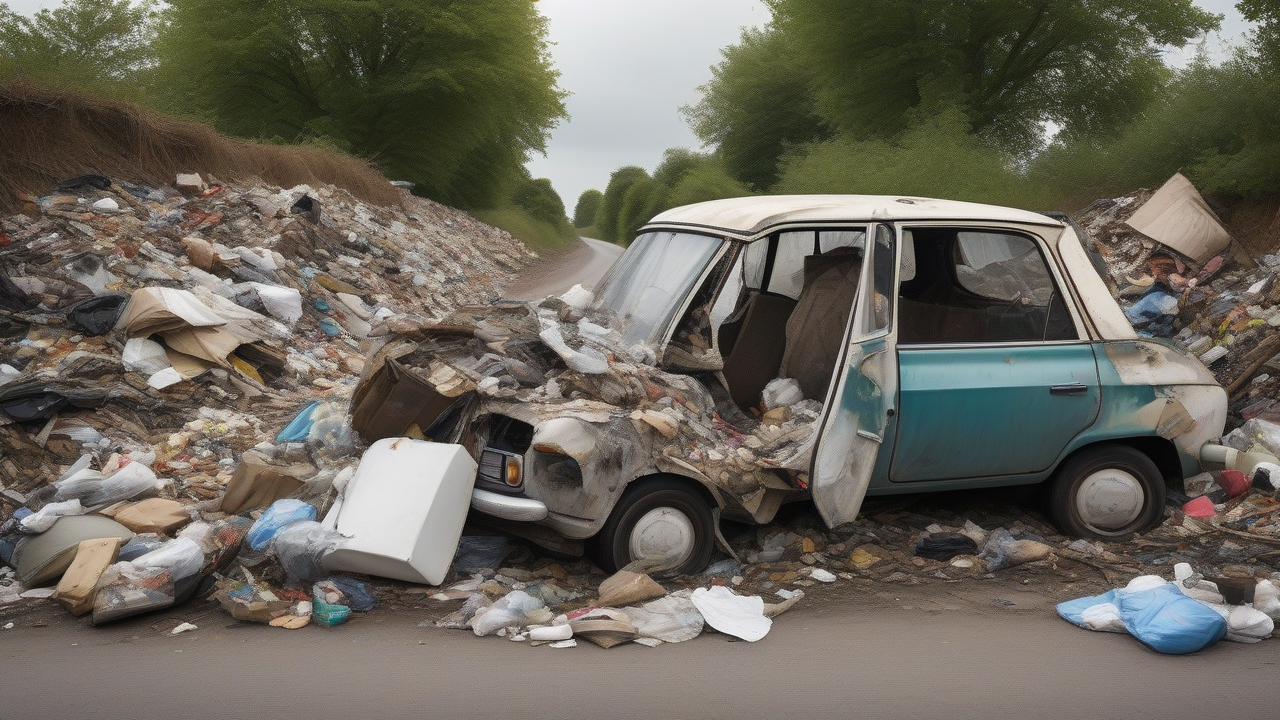
A significant escalation in the fight against fly-tipping has been unveiled by the UK government, with proposals that could see offenders receive points on their driving licenses. According to reports from the BBC, this move aims to tackle the growing problem of illegal waste dumping, which has reached record levels in the country. Analysts note that this approach signals a tougher stance on environmental crimes, with the government seeking to hold individuals accountable for their actions.
Background and Implications
Fly-tipping, or the illegal disposal of waste, has become a major concern for local authorities and residents alike. The issue not only poses environmental hazards but also results in significant cleanup costs for councils. Observers point out that the current system often fails to deter offenders, with many cases going unpunished. The new plans, as reported by The Telegraph, would grant the Environment Agency “police-like” powers, enabling them to arrest extreme fly-tippers. This development could mark a significant shift in how environmental crimes are prosecuted in the UK.
Impact on Offenders and Communities
The proposed measures would affect not only those caught fly-tipping but also have broader implications for communities. Drivers found guilty of fly-tipping could face the loss of their license, as warned by The Independent. This would have a direct impact on their livelihoods and daily lives. Furthermore, the introduction of £500 fines for littering, as defended by West Berkshire Council in a report by Newbury Today, indicates a more stringent approach to tackling environmental offenses at the local level. Experts suggest that these measures could lead to a reduction in fly-tipping incidents, improving the quality of life for residents and reducing the financial burden on local councils.
Context and Broader Trends
The move to impose stricter penalties on environmental offenders reflects a growing concern over the state of the UK’s environment. With fly-tipping at record levels, the government is under pressure to act. Analysts note that this crackdown is part of a larger trend towards increased accountability for environmental crimes, both in the UK and globally. The Environment Agency’s potential “police-like” powers underscore the seriousness with which these offenses are now being treated. As reported by various sources, including the BBC and The Telegraph, the government’s stance on fly-tipping is hardening, suggesting that offenders will face more severe consequences in the future.
What to Watch Next
As these proposals move forward, several key developments will be worth watching. The implementation of the new measures and their impact on fly-tipping rates will be closely monitored. Additionally, the reaction from local councils and the public will provide insight into the effectiveness and acceptance of these stricter policies. The government’s next steps in enhancing the Environment Agency’s powers and the potential for further crackdowns on environmental crimes will also be significant. According to sources, including Newbury Today, the outcome of these efforts will have a direct bearing on the UK’s ability to manage its environmental challenges effectively.



Reader Comments