
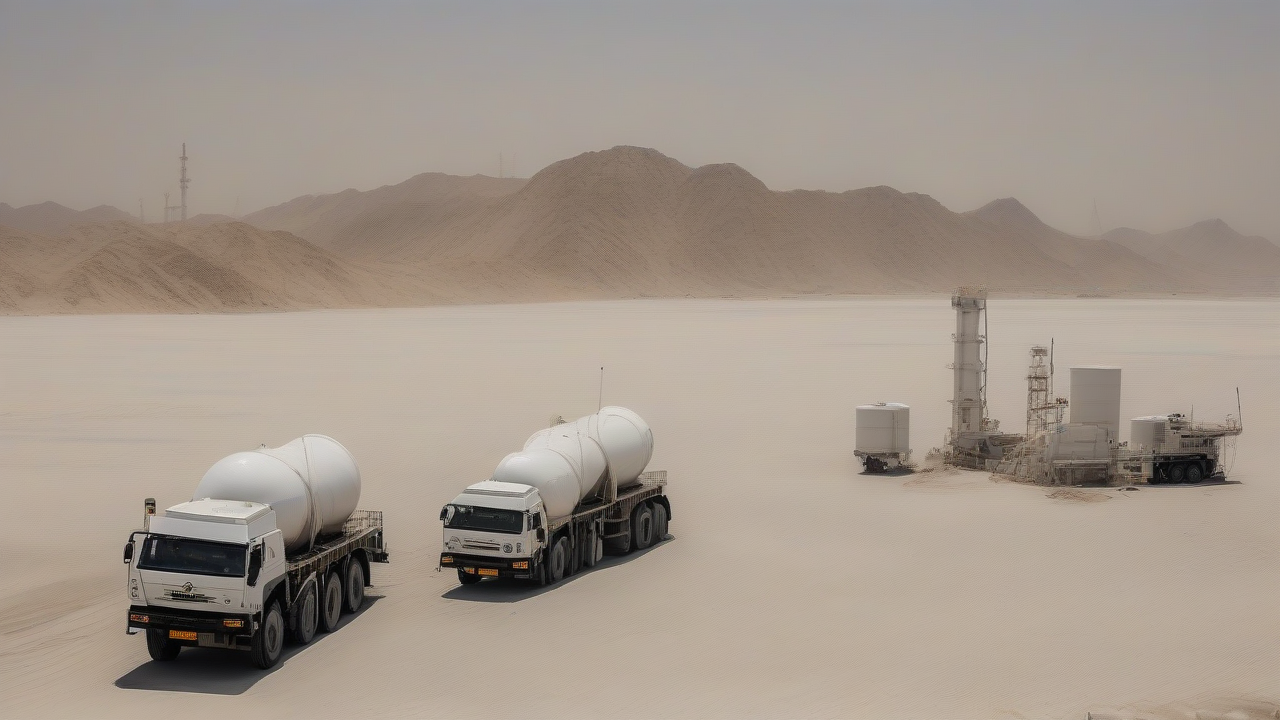
Global Oil Market Faces Disruption as UAE’s Fujairah Hub Suspends Operations
A significant fire at the United Arab Emirates’ key oil hub of Fujairah has led to the suspension of some oil-loading operations, according to reports from Reuters and CNBC. This development comes at a critical time, as tensions between the US and Iran continue to escalate, with potential implications for global oil supplies and prices.
Context and Implications
The Fujairah hub is a crucial oil storage and loading facility, playing a vital role in the global oil supply chain. Analysts note that any disruption to operations at this hub could have far-reaching consequences, including increased oil prices and potential shortages. Observers point out that the current geopolitical tensions in the region, coupled with the suspension of oil-loading operations, may lead to increased volatility in the global oil market.
Expert Analysis and Reaction
Industry watchers indicate that the drone attack and subsequent fire at the Fujairah port may be a deliberate attempt to disrupt oil supplies and exert pressure on the global economy. The move signals a potentially dangerous escalation of tensions in the region, with experts warning of potential long-term consequences for global oil markets. As reported by Bloomberg, the UAE’s key oil hub suspending loadings after the drone attack and fire has significant implications for the global oil supply chain.
Impact on Global Oil Supplies and Prices
The suspension of oil-loading operations at Fujairah is likely to affect several countries that rely heavily on oil imports from the region. According to sources, the disruption may lead to increased oil prices, which could have a ripple effect on the global economy. Analysts note that the situation is being closely monitored by oil-producing and consuming countries, as well as by international organizations responsible for maintaining global energy security.
International Response and Developments
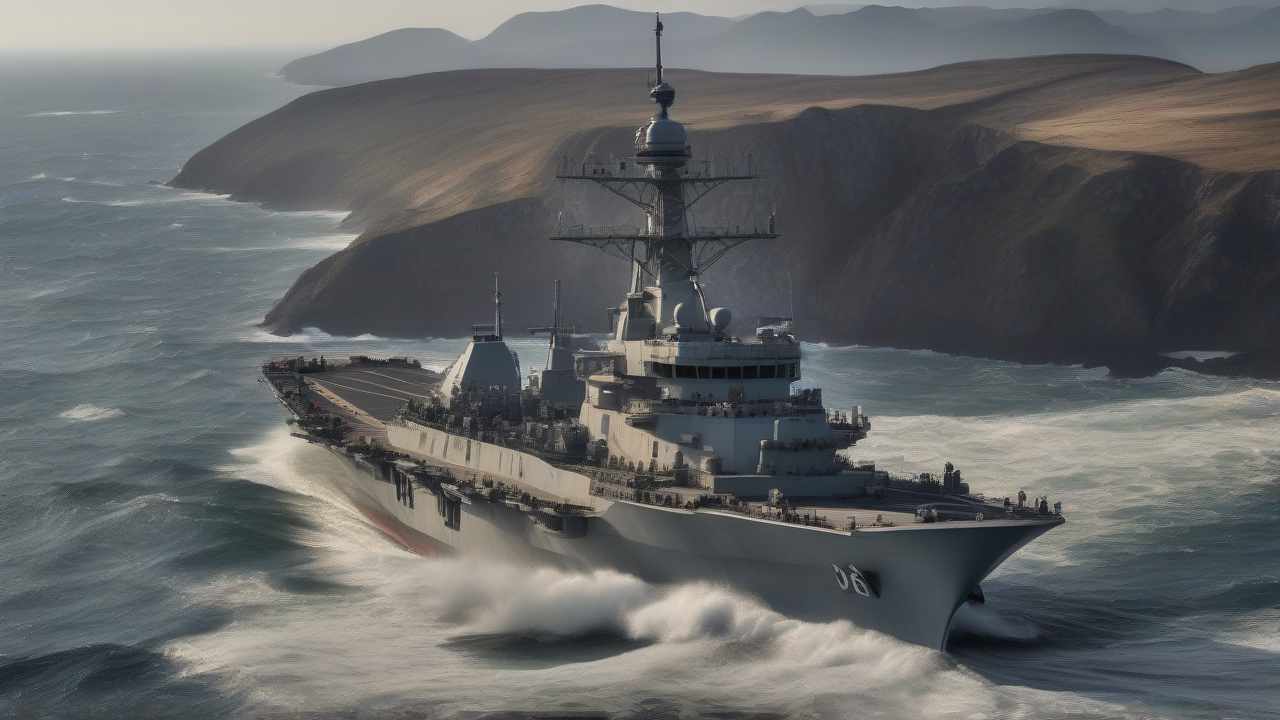
In response to the escalating tensions, US President Trump has stated that “many countries” are sending warships to keep the key Strait of Hormuz open, as reported by Euronews. This development is seen as a significant move to ensure the continued flow of oil through the strategic waterway. The BBC reports that the US has also hit military assets at an Iranian export hub, further escalating tensions in the region.
What to Watch Next
As the situation continues to unfold, observers will be closely watching the developments in the region, including any potential further disruptions to oil supplies and the response from international organizations and countries. The next few days will be critical in determining the long-term implications of the current crisis, with analysts warning of potential further escalation and increased volatility in the global oil market. According to Reuters, the situation remains fluid, with new developments expected in the coming days.
Reader Comments