
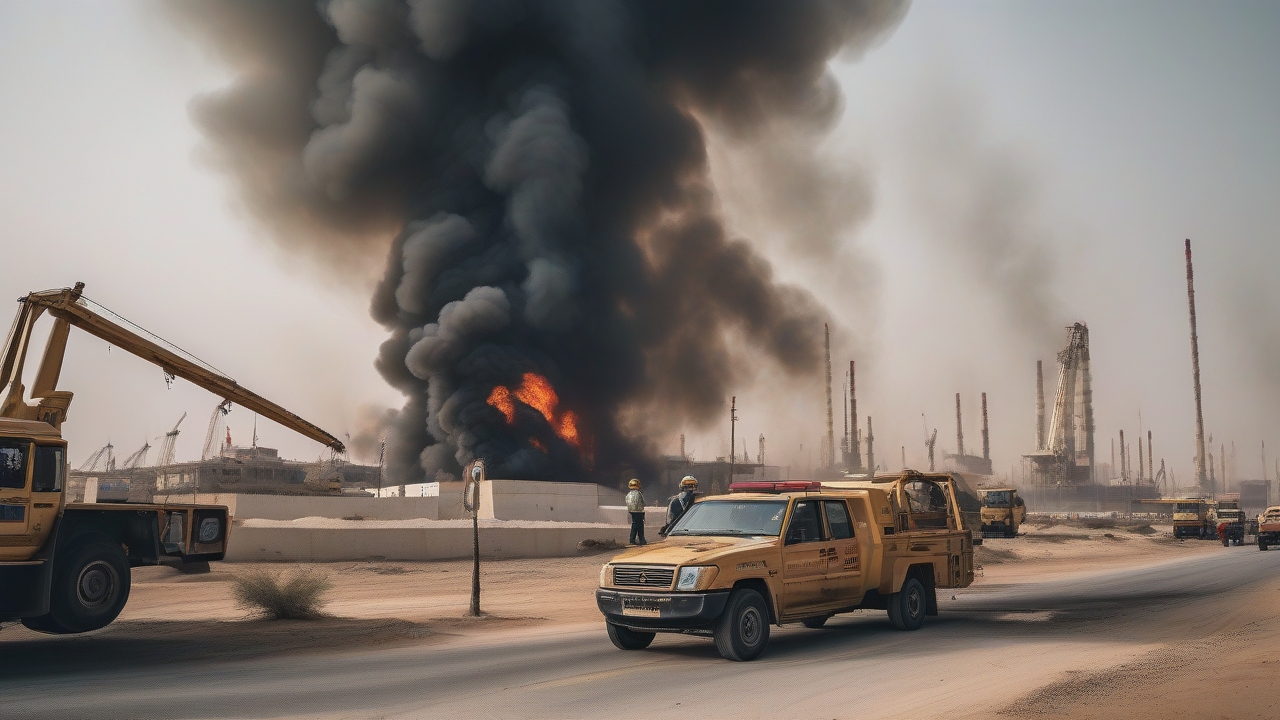
Rising Tensions in the Middle East
A significant fire has broken out at a crucial oil port in the United Arab Emirates (UAE), according to reports from Business Insider and Bloomberg.com. This incident occurs just a day after the US launched a strike on a major Iranian oil depot, as reported by CNN. The fire at the UAE’s key oil hub has resulted in the suspension of loadings, further escalating concerns about the stability of the global oil market.
Impact on the Oil Market
Observers point out that the port of Fujairah, where the fire occurred, is a vital hub for oil exports, and any disruption to its operations can have far-reaching consequences for the global energy market. As explained by Reuters, the port’s strategic location outside the Strait of Hormuz makes it an essential bypass for oil tankers, allowing them to avoid the volatile waters of the strait. Analysts note that the suspension of loadings at the port could lead to increased oil prices and potential shortages, affecting economies worldwide.
Geopolitical Implications
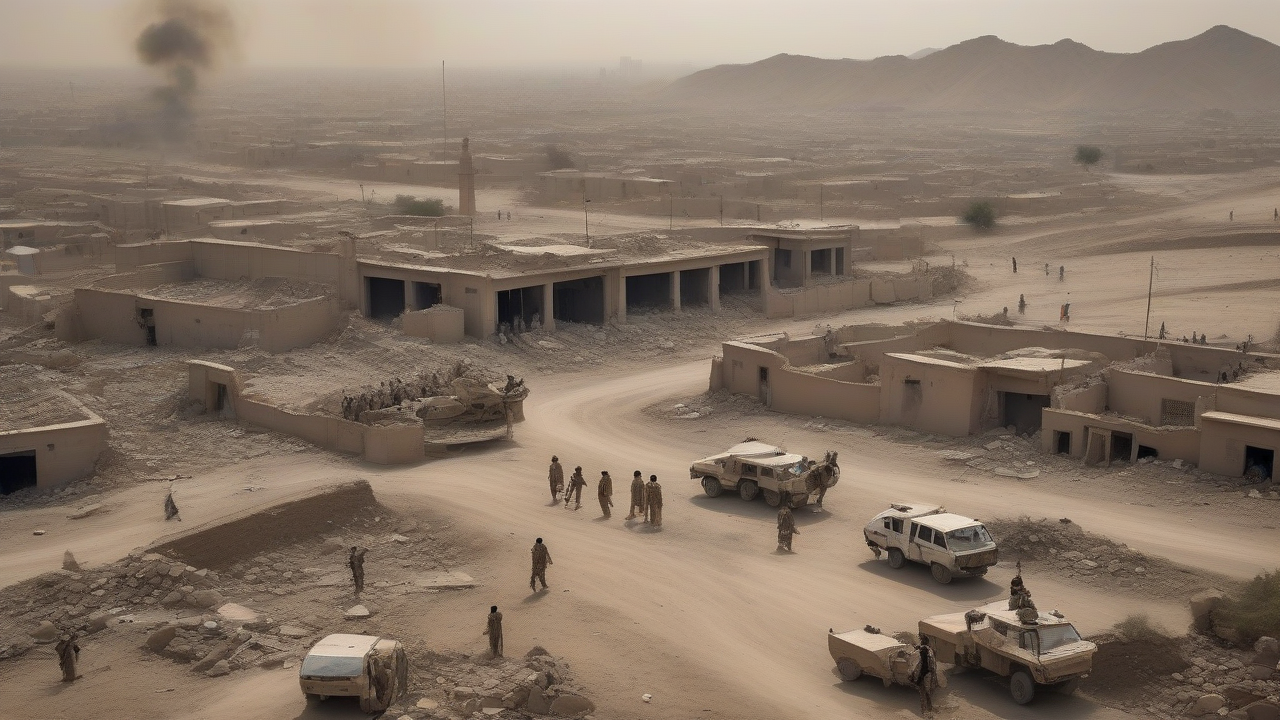
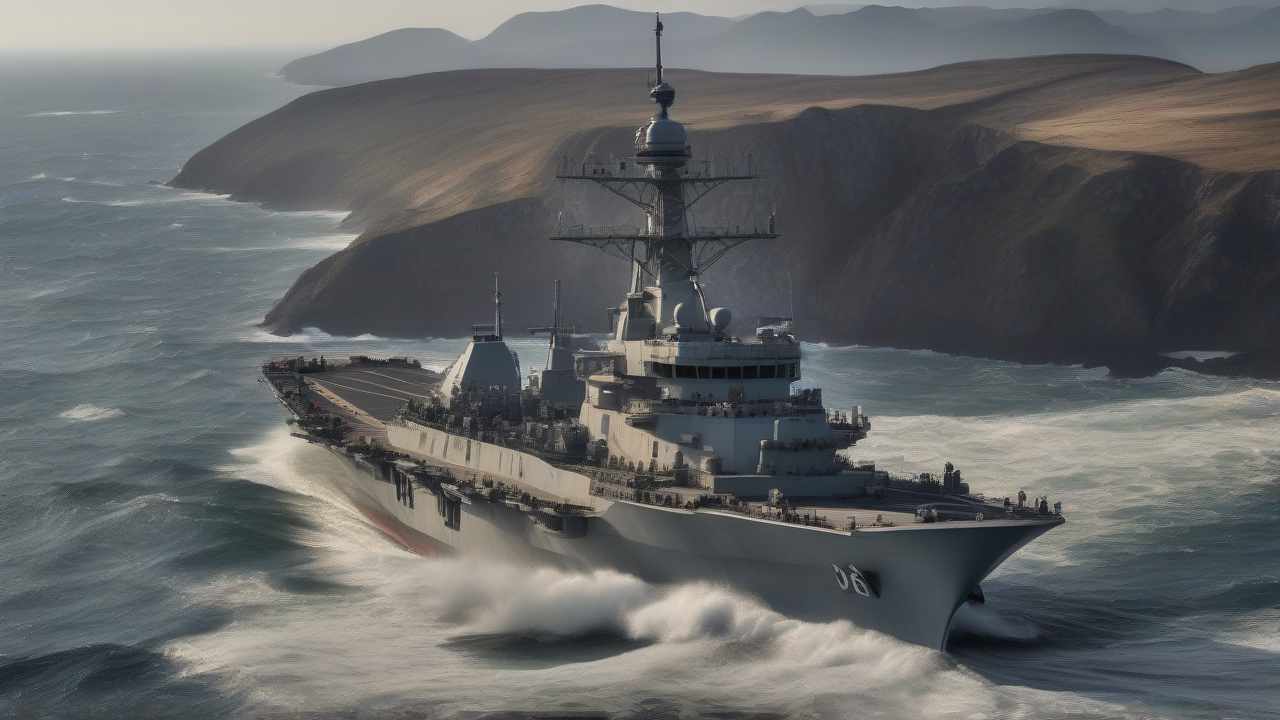
The move signals a significant escalation of tensions in the region, with Iran threatening further strikes, as reported by CNN. The US has called on China, the UK, and Japan to send warships to help secure the Strait of Hormuz, a critical waterway for international oil trade, according to the Financial Times. Experts warn that the situation could lead to a wider conflict, drawing in multiple countries and potentially disrupting global trade.
Context and History
The current tensions in the Middle East are part of a long-standing complex web of conflicts and rivalries. The Strait of Hormuz, which connects the Persian Gulf to the Arabian Sea, is a critical chokepoint for international oil trade, with approximately 20% of the world’s oil passing through it. The region has seen numerous conflicts and incidents in recent years, including attacks on oil tankers and pipelines, which have raised concerns about the stability of the global energy market.
What’s Next
As the situation continues to unfold, observers will be watching for any further developments, including potential retaliatory strikes from Iran or other countries in the region. The US and its allies will likely continue to press for increased security measures in the Strait of Hormuz, while oil markets will be closely monitoring the situation for any signs of disruption to global oil supplies. According to sources, the next few days will be critical in determining the trajectory of the conflict and its impact on the global economy.
Regional and Global Consequences
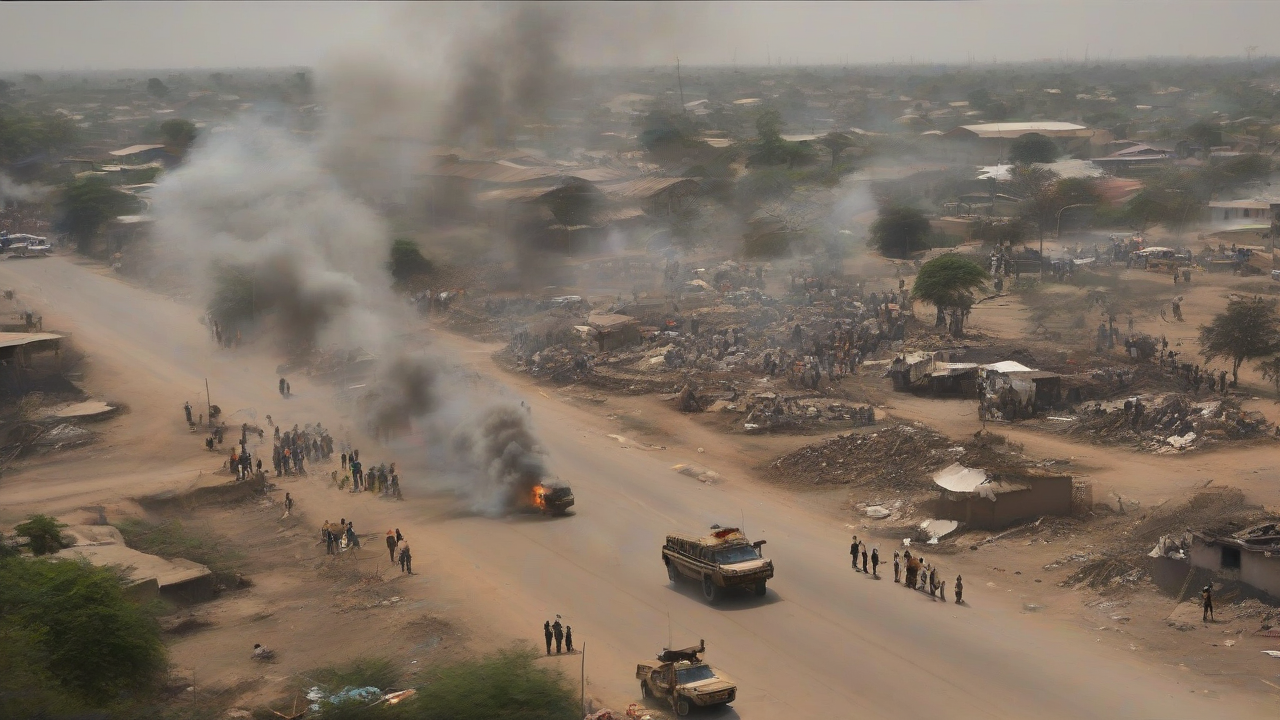
The fire at the UAE’s key oil hub and the ongoing tensions in the Middle East have significant implications for the region and the world. The suspension of loadings at the port of Fujairah could lead to increased oil prices, affecting economies worldwide. Additionally, the conflict could draw in multiple countries, potentially disrupting global trade and leading to a wider conflict. As reported by Business Insider, the situation is being closely watched by governments and investors around the world, who are bracing for potential economic and geopolitical fallout.
Reader Comments