
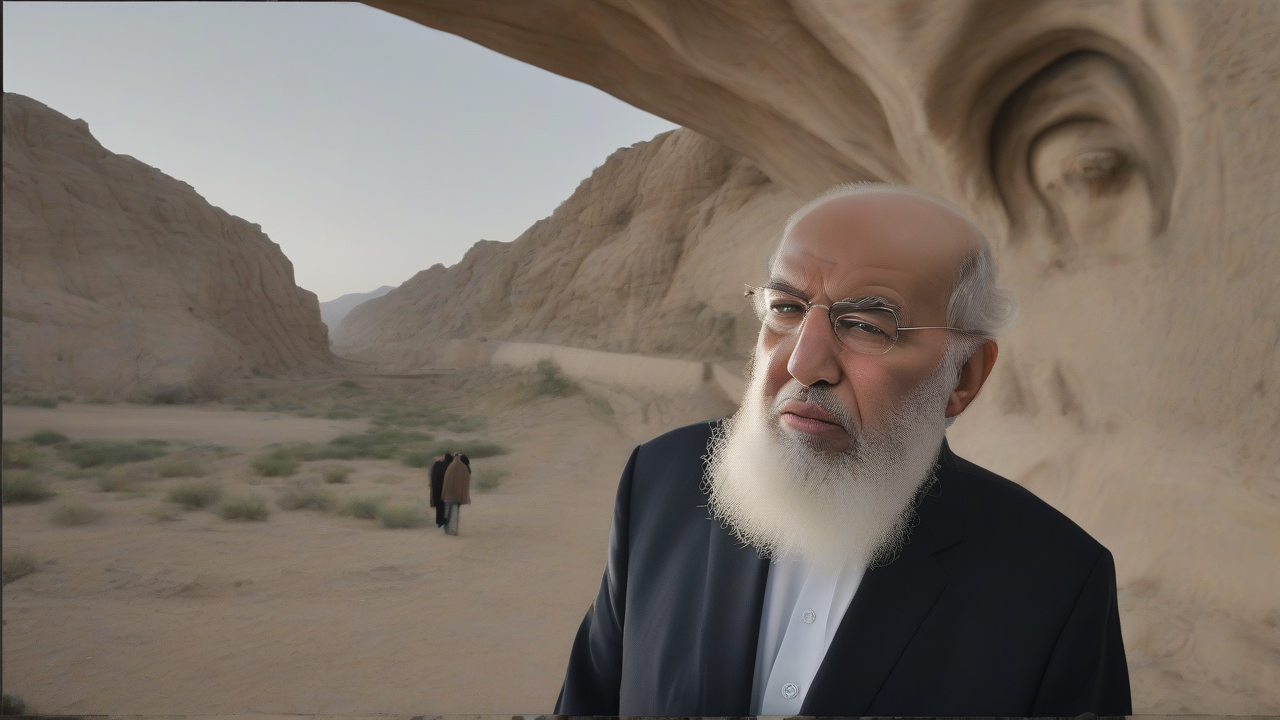
Recent Developments in Iran’s Leadership
In a significant statement, former US President Donald Trump has expressed his belief that Iran’s new supreme leader is alive, although reportedly “damaged.” This assessment comes amid heightened tensions in the region, particularly with regards to the strategic Strait of Hormuz. According to reports from Reuters, Trump’s comments reflect a broader uncertainty surrounding the health and status of Iran’s supreme leader.
Context and Implications
The situation in Iran is complex, with the country’s new supreme leader vowing to maintain the blockade of the Strait of Hormuz, a critical waterway for global oil trade. As reported by NBC News, this decision has contributed to a spike in oil prices, underscoring the significant economic implications of the ongoing geopolitical tensions. The New York Times has also shed light on the supreme leader’s condition, citing Iranian and Israeli officials who claim he was wounded early in the conflict. This information, while not officially confirmed, adds another layer of complexity to the already volatile situation.
Expert Analysis
Analysts note that the Strait of Hormuz has become a pivotal point in the standoff between Iran and its adversaries, with the new supreme leader explicitly stating that the waterway must remain closed as a means to pressure enemies, as quoted by CNBC. This stance is seen as a hardline approach, potentially escalating tensions further. Observers point out that such actions could have far-reaching consequences, affecting not only regional stability but also global energy markets. The dynamics at play are multifaceted, involving political, economic, and military dimensions, making the situation highly unpredictable.
Impact on Global Markets and Security
The impact of these developments is being felt across the globe, particularly in the energy sector. With oil prices spiking due to the uncertainty surrounding the Strait of Hormuz, consumers and industries dependent on oil are likely to feel the effects. Moreover, the security implications of a potentially damaged supreme leader in Iran, coupled with the country’s aggressive stance on the Strait, signal a dangerous escalation in the region. As noted by Foreign Affairs in their analysis of the new supreme leader, the situation demands careful observation and strategic response from international actors to mitigate potential conflicts.
Looking Ahead
As the situation continues to unfold, several key factors will be worth watching. The health and operational capacity of Iran’s supreme leader will be closely monitored, as will the country’s actions regarding the Strait of Hormuz. International responses, particularly from major oil-consuming nations and regional players, will also be critical in determining the trajectory of this crisis. Upcoming diplomatic efforts or military maneuvers in the region could significantly alter the landscape, making the next few weeks crucial in assessing the future of Middle Eastern geopolitics and global energy security. According to sources indicated by the mentioned news outlets, the international community is bracing for potential further escalation, emphasizing the need for a balanced and informed approach to address the growing tensions.
Reader Comments