
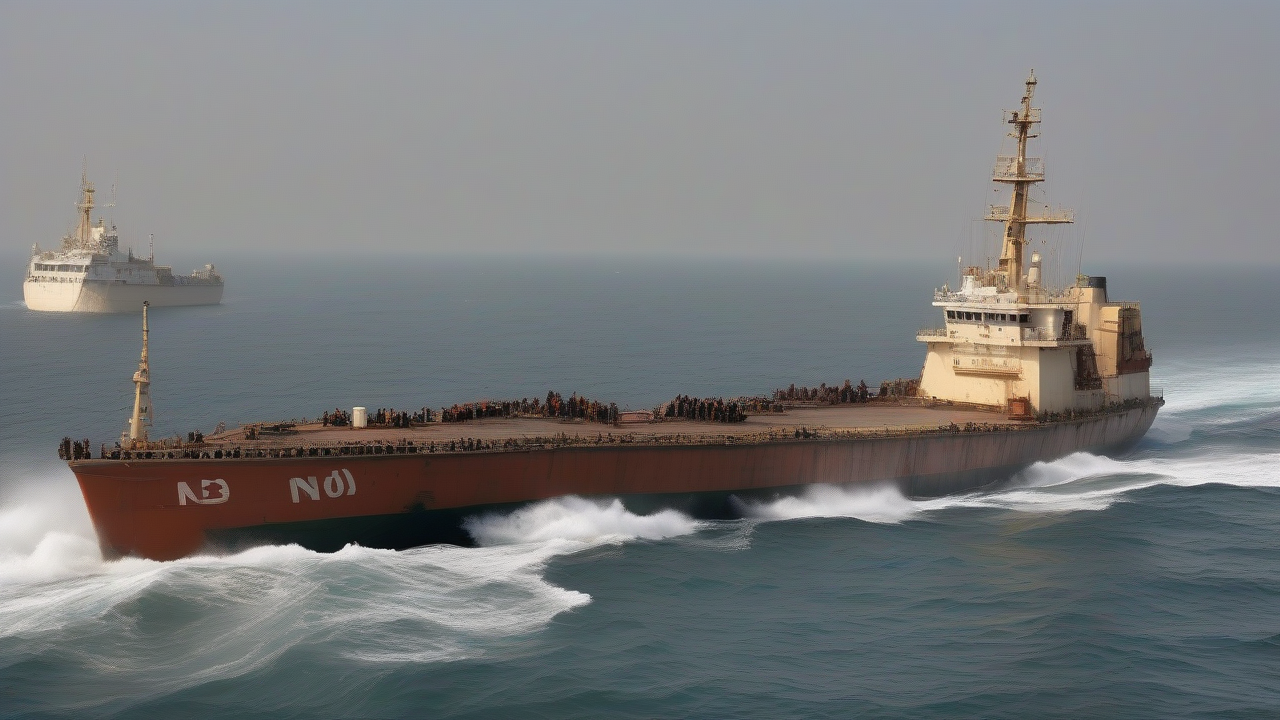
Rising Tensions in the Strait of Hormuz
A dramatic escalation of violence in the Strait of Hormuz has been reported, with at least three cargo ships hit by unknown projectiles, according to sources indicating a significant surge in attacks on merchant vessels in the region. As reported by the BBC, one of the ships caught fire following the incident, highlighting the growing risks faced by ships navigating this critical oil passage. The Strait of Hormuz, a vital waterway connecting the Persian Gulf to the Gulf of Oman, has become a flashpoint in recent years due to heightened tensions between Iran and other countries.
Implications of the Attacks
Analysts note that these attacks demonstrate the ongoing vulnerability of merchant ships in the region, which could have far-reaching consequences for global oil markets and trade. Observers point out that the Strait of Hormuz is a crucial chokepoint, with approximately 20% of the world’s oil passing through it. The move signals a significant escalation of tensions, which could lead to increased insurance costs, higher oil prices, and potential disruptions to global supply chains. As reported by Reuters, the attacks show that merchant ships remain in the firing line, underscoring the need for increased security measures to protect vessels and crew.
Impact on Global Trade
The impact of these attacks will be felt by a wide range of stakeholders, including shipowners, oil companies, and consumers. According to CNBC, the UK has confirmed that at least three cargo ships were struck off Iran’s coast, including one in the Strait of Hormuz. The incident has raised concerns about the safety of ships and crew, as well as the potential for further disruptions to global trade. The New York Times reports that the attacks are part of a broader pattern of aggression in the region, which could have significant implications for global stability and security.
Ongoing Developments
As the situation continues to unfold, observers are watching for any signs of escalation or de-escalation. According to abcnews.com, Iran has launched a series of strikes in the region, targeting at least two ships in the Strait of Hormuz. The incident has sparked a flurry of diplomatic activity, with countries calling for calm and restraint. In the coming days and weeks, it will be important to watch for any developments that could indicate a shift in the situation, including changes in military deployments, diplomatic efforts, or economic sanctions.
What to Watch Next
As the situation in the Strait of Hormuz continues to evolve, there are several key developments to watch. Analysts will be closely monitoring the response of regional and global powers to the attacks, as well as any changes in the security posture of ships and crew in the region. Additionally, observers will be watching for any signs of economic fallout, including changes in oil prices or trade volumes. With the situation remaining fluid, it is essential to stay informed about the latest developments and their potential implications for global stability and security.
Reader Comments