
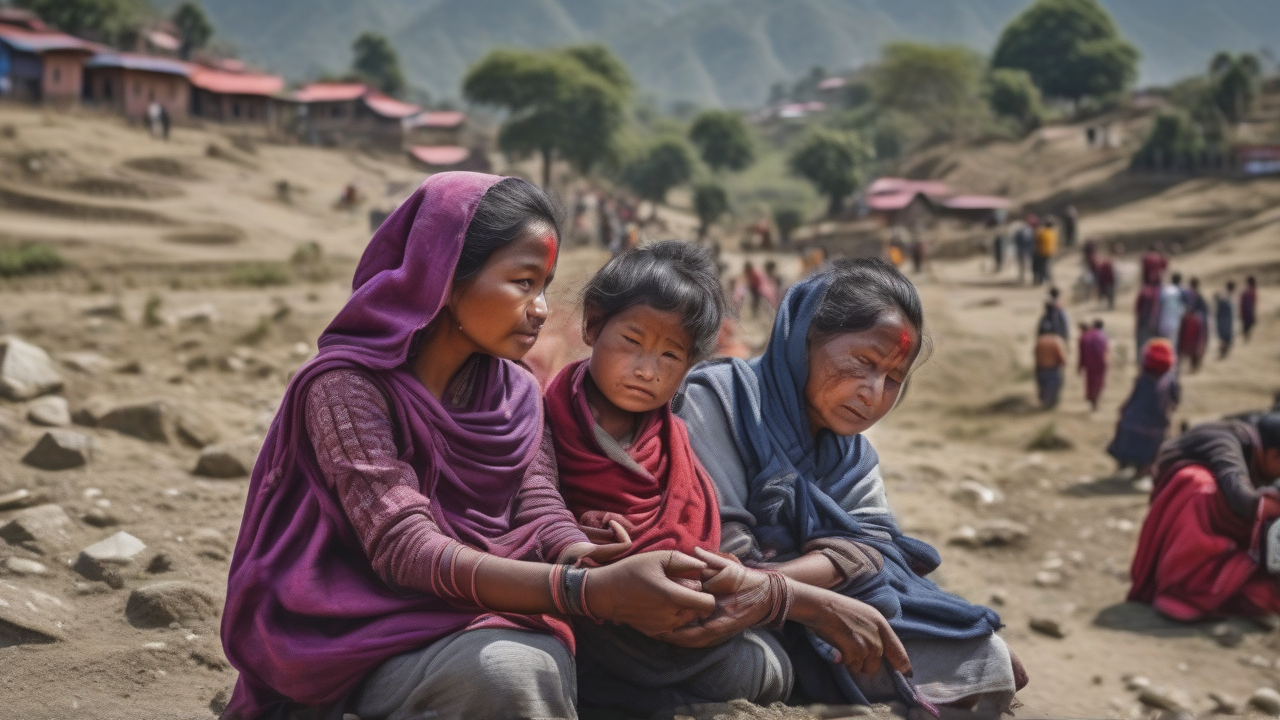
Election Outcome in Nepal
In a significant turn of events, the Rastriya Swatatantra Party, led by rapper-politician Balendra Shah, has emerged victorious in the recent Nepal election, securing a large majority of seats. According to reports from BBC World, this outcome is particularly noteworthy given the election’s focus on pressing issues such as corruption, which has been a longstanding concern for the Nepalese populace.
Context and Implications
The Rastriya Swatatantra Party’s win signals a shift in the political landscape of Nepal, with observers pointing out that the election results reflect a desire for change among voters. Analysts note that the party’s campaign, which emphasized anti-corruption measures and transparency, resonated with many citizens who are eager for reform. As reported by BBC World, the election was marked by a high level of engagement, with voters expressing their dissatisfaction with the status quo and seeking a new direction for the country.
Broader Trends and History
Nepal has struggled with corruption for decades, with the issue being a major impediment to the country’s development and stability. The move by voters to support the Rastriya Swatatantra Party suggests a growing awareness of the need for accountability and good governance. Experts indicate that this election outcome could have far-reaching implications for Nepal’s political and social landscape, potentially paving the way for meaningful reforms and a renewed commitment to transparency.
Impact Analysis
The impact of the Rastriya Swatatantra Party’s victory will be felt across various sectors of Nepalese society. Citizens who have been affected by corruption and poor governance are likely to be among the first to benefit from the party’s proposed reforms. Additionally, the business community and international investors may view the election outcome as a positive development, as a more transparent and accountable government could lead to increased stability and investment opportunities.
Forward-Looking Analysis
As the Rastriya Swatatantra Party prepares to form a government, observers will be watching closely to see how the party’s campaign promises are translated into policy. According to sources, the party’s leader, Balendra Shah, has pledged to prioritize anti-corruption efforts and promote transparency in government. The success of these initiatives will depend on the party’s ability to work effectively with other stakeholders and to build a broad coalition of support. In the coming months, voters will be eagerly awaiting signs of progress on these fronts, and the international community will be monitoring developments in Nepal with interest.
Upcoming Developments
In the near term, the Rastriya Swatatantra Party will need to navigate the complexities of forming a government and beginning the process of implementing its campaign promises. As reported by BBC World, the party’s victory has been seen as a significant upset, and it remains to be seen how the party will work with other political actors to achieve its goals. With the election now behind them, Nepalese citizens will be looking to their new government to deliver on its promises and to bring about meaningful change to the country.

Reader Comments