
Release from Immigration Custody Sparks Debate
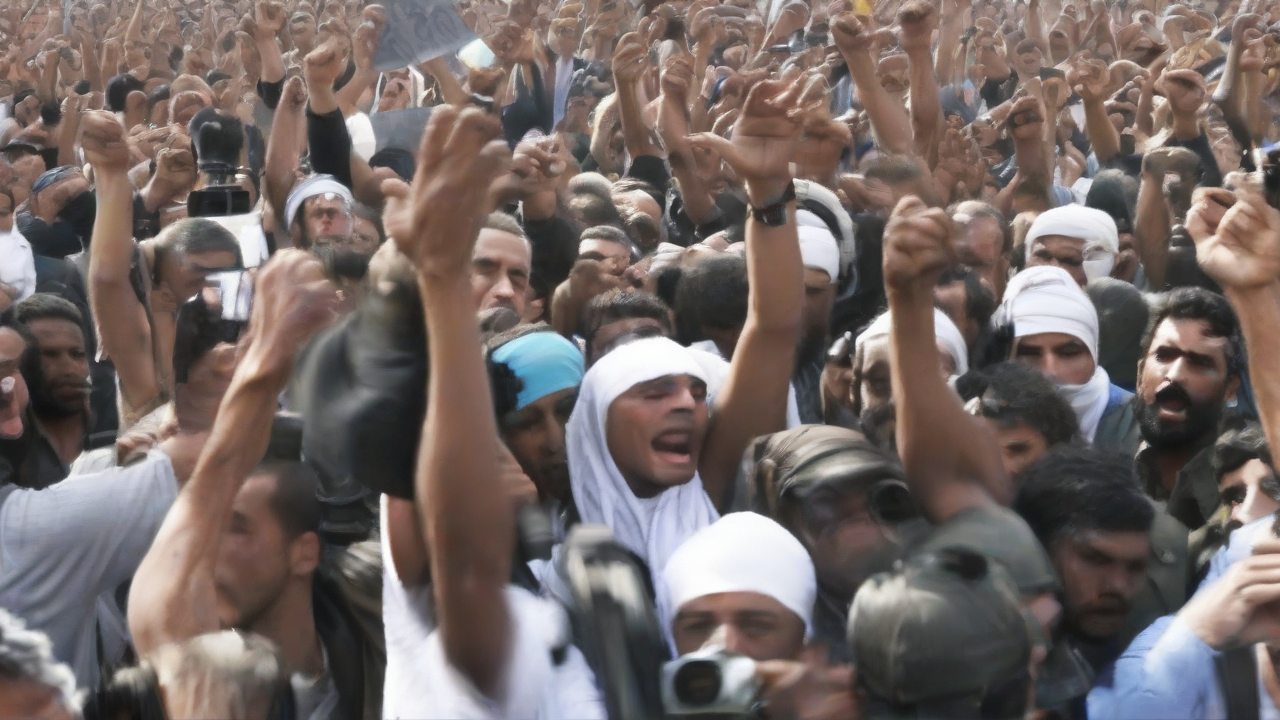
A Columbia University protester, held in immigration custody for over a year, has been released, according to reports from BBC World. The case of Leqaa Kordia has drawn attention to the intersection of immigration policies and free speech, with her lawyer arguing that she was targeted by federal officials due to her pro-Palestinian activism.
Background and Controversy
Federal officials contend that Kordia overstayed her student visa, which led to her detention. However, her lawyer counters that the real motive behind her arrest and prolonged detention was her involvement in pro-Palestinian protests, suggesting a possible infringement on her right to free speech and assembly. This assertion raises important questions about the balance between enforcing immigration laws and protecting civil liberties.
Context and Implications
The release of Kordia comes at a time when there is growing scrutiny over how immigration policies are enforced, particularly in cases where individuals are involved in political activism. Analysts note that such cases can have a chilling effect on free speech, as individuals may become hesitant to express their views publicly for fear of repercussions. Observers point out that the move signals a broader trend where political activism, especially concerning sensitive international issues like the Israeli-Palestinian conflict, can lead to increased scrutiny from law enforcement and immigration authorities.
Impact on the Community
The detention and subsequent release of Kordia have significant implications for the community of international students and activists in the United States. As reported by BBC World, sources indicate that Kordia’s case has sent ripples of concern among student groups and civil rights organizations, who are watching closely to see how similar cases will be handled in the future. The stakes are high, with many arguing that the ability to engage in peaceful protest and political discourse is fundamental to democratic societies.
Looking Ahead
As Kordia rebuilds her life after her release, attention will turn to the legal and policy implications of her case. Upcoming decisions on similar cases, as well as potential reforms to immigration and free speech policies, will be closely watched by advocates and critics alike. According to experts, the handling of such cases will be crucial in determining the boundaries between immigration enforcement and the protection of civil rights. With deadlines for policy reviews and potential legislative actions on the horizon, the coming months will be pivotal in shaping the landscape for international students and political activists in the U.S.
Conclusion and Next Steps
The case of Leqaa Kordia serves as a reminder of the complex and often contentious issues surrounding immigration, free speech, and political activism. As the situation continues to unfold, it will be important to monitor developments and assess their impact on affected communities. With the release of Kordia, there is a renewed focus on the need for clarity and fairness in the application of immigration laws, particularly in cases where political expression is involved. Sources close to the matter suggest that ongoing dialogue and advocacy will be essential in ensuring that the rights of all individuals, regardless of their immigration status or political views, are protected and respected.

Reader Comments