
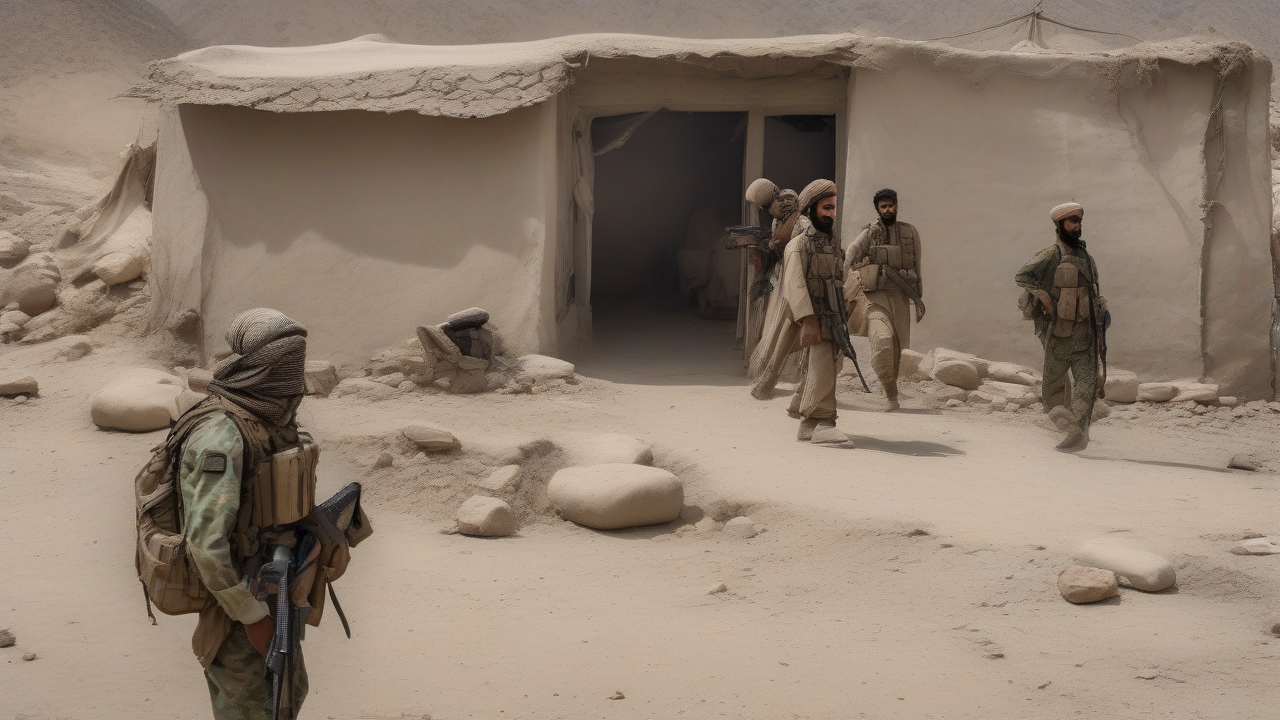
Civilian Casualties Mount in Pakistani-Afghan Conflict
The ongoing conflict between Pakistan and Taliban forces in Afghanistan has resulted in a significant increase in civilian casualties, with nearly 800 victims reported in recent clashes. According to the United Nations, the escalation of violence along the border has led to a substantial rise in civilian deaths and injuries, with many residents caught in the crossfire. As reported by The New York Times, the situation has become increasingly dire, with shells and gunfire affecting innocent civilians.
Humanitarian Crisis Unfolds
Observers point out that the conflict has created a humanitarian crisis, with many Afghans forced to flee their homes and seek refuge in other parts of the country or in neighboring Pakistan. However, as noted by 8am.media, Pakistan’s response to the influx of refugees has been criticized, with reports of women and children being imprisoned. This has raised concerns among human rights groups and analysts, who note that the treatment of refugees is a critical aspect of the conflict. According to sources, the number of refugees is expected to rise as the conflict continues, putting a strain on already limited resources.
Eyewitness Accounts
Eyewitnesses, such as a border resident interviewed by Reuters Connect, describe the terrifying experience of being caught in the middle of the conflict. “Shells started raining on us,” the resident said, highlighting the indiscriminate nature of the violence. Analysts note that the use of heavy artillery and gunfire has become increasingly common, leading to a surge in civilian casualties. As reported by Shia World News, the UN has expressed deep concern over the situation, calling for an immediate end to hostilities.
Broader Implications
The conflict between Pakistan and Taliban forces has significant implications for the region, with analysts noting that it could lead to further instability and violence. The move signals a worrying escalation of tensions between the two sides, with potentially far-reaching consequences. According to experts, the conflict is not only affecting civilians but also undermining efforts to rebuild and stabilize Afghanistan. As the situation continues to deteriorate, observers point out that the international community must take a more active role in addressing the crisis.
What’s Next
As the conflict shows no signs of abating, attention is turning to the upcoming diplomatic efforts aimed at resolving the crisis. According to sources, international leaders are set to meet in the coming weeks to discuss a potential ceasefire and peace talks. However, analysts note that any resolution will require a commitment from all parties involved to protect civilian lives and prevent further violence. With the humanitarian crisis deepening, the need for a swift and effective response has never been more urgent. As reported by fakti.bg, the situation remains critical, with nearly 800 victims already affected by the conflict.

Reader Comments