
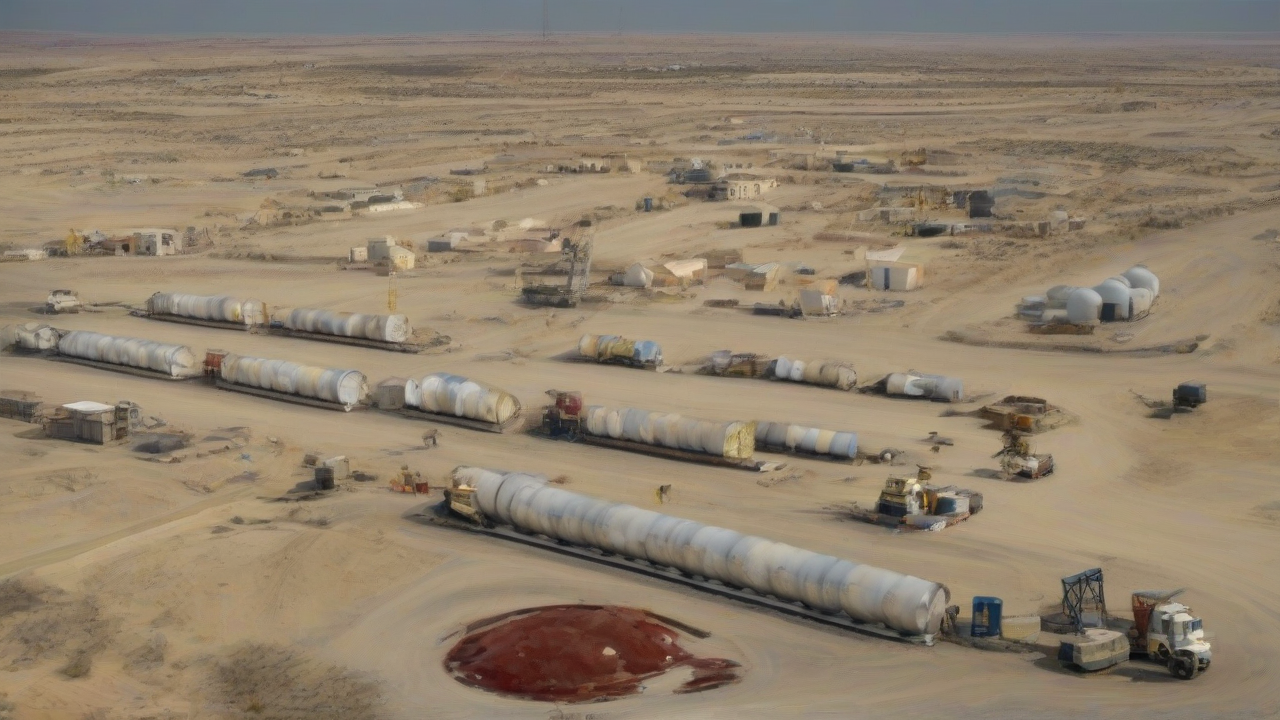
Global Markets Feel the Strain of Escalating Conflict
The ongoing tensions in the Middle East have sent shockwaves through global markets, with Asian stocks poised to decline and oil prices surging to record highs. According to reports from Bloomberg, the conflict’s impact on the energy sector is being closely watched by investors and analysts alike. As reported by CNBC, Brent crude has hit $100 a barrel, a significant milestone that underscores the severity of the supply worries plaguing the market.
A Perfect Storm of Geopolitical Tensions
Observers point out that the current situation is a perfect storm of geopolitical tensions, with the Iran war at its epicenter. The Strait of Hormuz, a critical waterway for oil shipments, has become a focal point of concern, with Iran laying mines in the area, as reported by WSJ. This move has triggered a response from the US, further escalating the situation. Analysts note that the reserve release plans aimed at easing supply worries have failed to calm the markets, leading to a sharp increase in oil prices.
Economic Implications
The impact of the conflict on the global economy cannot be overstated. As reported by CNN, the oil price shock is likely to have far-reaching consequences, affecting not only the energy sector but also the broader economy. The rise in oil prices is expected to lead to increased production costs, higher inflation, and decreased consumer spending, ultimately affecting economic growth. Experts warn that the situation is precarious, with the potential for further escalation and more severe economic consequences.
Regional Concerns
The conflict is also having a significant impact on regional markets, particularly in Asia. According to Bloomberg, Asian stocks are expected to fall, with investors becoming increasingly risk-averse. The region’s energy crunch is also a major concern, with the tanker attacks and US trade probes adding to the uncertainty. Analysts note that the situation is being closely monitored by regional leaders, who are working to mitigate the effects of the conflict on their economies.
What to Watch Next
As the situation continues to unfold, investors and analysts will be closely watching the developments in the Middle East. The US response to the Iranian actions, as well as the potential for further escalation, will be critical in determining the direction of the markets. Additionally, the impact of the conflict on the global economy, particularly on inflation and economic growth, will be closely monitored. As reported by sources, including Bloomberg and CNBC, the next few days will be crucial in shaping the trajectory of the markets and the global economy.

Reader Comments