
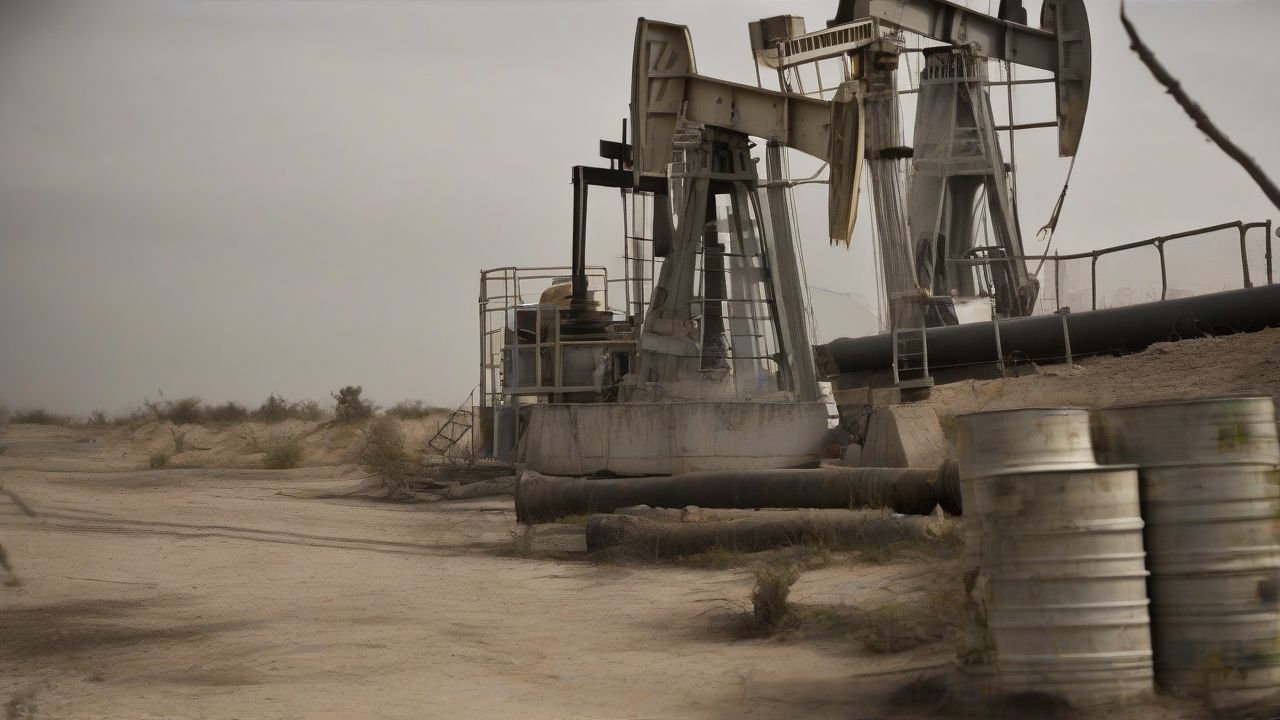
Global Oil Prices Surge
The price of oil has reached a significant milestone, hitting $100 a barrel, according to reports from the BBC World. This development comes despite a recent agreement to release a record amount of oil reserves, a move intended to stabilize the global energy market. Analysts note that the surge in oil prices is largely attributed to the escalating tensions in the Middle East, particularly in the Strait of Hormuz, a critical waterway for international oil trade.
Heightened Tensions in the Strait of Hormuz
Observers point out that Iranian attacks on ships in the Strait of Hormuz have intensified, posing a significant threat to global oil supplies. The Strait of Hormuz is a vital shipping lane, with a substantial portion of the world’s oil passing through it. As reported by the BBC World, the increased attacks have raised concerns about the safety of oil tankers and the potential disruption to oil supplies. Experts indicate that any disruption to oil supplies in the Strait of Hormuz could have far-reaching consequences for the global economy.
Broader Implications
The move to release record amounts of oil reserves was seen as a measure to calm the markets and prevent a further increase in oil prices. However, the ongoing tensions in the Middle East have overshadowed this effort, leading to a surge in oil prices. Analysts note that the current situation highlights the vulnerability of the global energy market to geopolitical tensions. The rise in oil prices is expected to have a significant impact on consumers, with increased fuel costs likely to affect various industries, including transportation and manufacturing.
Impact on the Global Economy
The increase in oil prices is expected to have far-reaching consequences for the global economy. As reported by the BBC World, the surge in oil prices could lead to higher inflation, affecting the purchasing power of consumers. Additionally, the increased costs of oil production and transportation could lead to higher prices for goods and services, further exacerbating the economic impact. Observers point out that the situation in the Strait of Hormuz is being closely monitored by governments and industries around the world, as any disruption to oil supplies could have significant economic and political implications.
What to Watch Next
As the situation in the Middle East continues to unfold, analysts are closely watching the developments in the Strait of Hormuz. The upcoming weeks will be crucial in determining the trajectory of oil prices and the global energy market. According to sources, the international community is urging restraint and diplomacy to resolve the tensions in the region. As the world waits for a resolution, the price of oil remains a critical indicator of the global economy’s health, and any further developments in the Strait of Hormuz are likely to have significant implications for the global energy market. The BBC World will continue to provide updates on this developing story as more information becomes available.


Reader Comments