
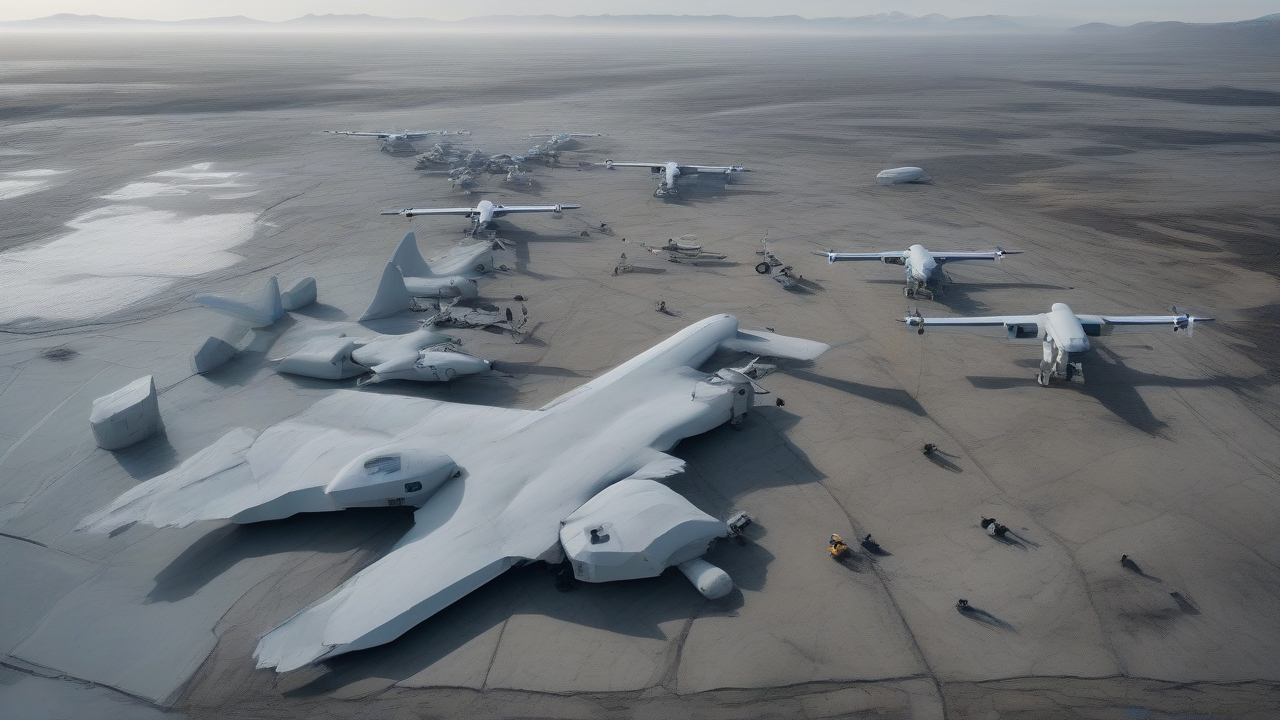
NATO Expands Drone Capabilities in the Arctic
In a significant development, NATO artillery crews, who were previously trained by Ukraine on the use of drones, are now focusing on adapting this technology for deployment in the Arctic region. This move is part of a broader strategy to enhance military capabilities in the face of evolving global security challenges. According to reports from Business Insider, this initiative underscores the alliance’s commitment to leveraging cutting-edge technology to maintain readiness and responsiveness across diverse operational environments.
Context and Implications
The decision to extend drone operations into the Arctic is closely tied to the region’s growing strategic importance. Observers point out that the Arctic’s unique geopolitical landscape, characterized by the presence of multiple nations with competing interests, necessitates innovative approaches to military preparedness. Analysts note that the successful integration of drone technology in Arctic operations could significantly enhance NATO’s surveillance and response capabilities, thereby contributing to regional stability.
Expert Analysis
Experts in the field suggest that the challenges associated with deploying drones in the Arctic, such as extreme weather conditions and limited infrastructure, require bespoke solutions. The move signals a proactive approach by NATO to address these challenges, potentially through the development of specialized equipment and operational protocols tailored to the Arctic environment. As reported by Defense News, NATO is also set to study what-if scenarios that could lead to conflict with Russia in the Arctic, indicating a comprehensive strategy that encompasses both technological advancement and strategic planning.
Impact on Regional Security
The implications of NATO’s Arctic drone initiative are far-reaching, with potential impacts on regional security dynamics. The Barents Observer notes that Russia has warned of missile firings north of Norway as NATO begins its Cold Response exercise, highlighting the sensitivities surrounding military activities in the region. Meanwhile, Reuters reports that NATO drills are focusing on preparing civilians for potential conflicts, underscoring the alliance’s awareness of the human dimension in regional security.
Forward-Looking Developments
As NATO continues to explore the potential of drone technology in the Arctic, upcoming developments are likely to include further exercises and strategic assessments. According to U.S. News & World Report, civilian doctors and volunteer ‘casualties’ are already rehearsing for war scenarios in the Norwegian Arctic, demonstrating the comprehensive nature of NATO’s preparations. Looking ahead, the success of these initiatives will depend on the alliance’s ability to adapt and innovate in the face of emerging challenges, with the Arctic region poised to remain a critical focal point for international security efforts.
Conclusion
The adaptation of drone technology for Arctic operations represents a significant milestone in NATO’s ongoing efforts to enhance its military capabilities. As the global security landscape continues to evolve, the alliance’s proactive approach to leveraging technology and preparing for diverse operational scenarios will remain crucial. With the Arctic emerging as a key region of strategic interest, NATO’s initiatives in this area are set to play an increasingly important role in shaping the future of regional and international security. Sources indicate that the coming months will be critical in assessing the progress and implications of these developments, as the international community watches with keen interest the unfolding dynamics in the Arctic.

Reader Comments