
Ongoing Conflict in the Middle East Drives Up Oil and Gas Prices
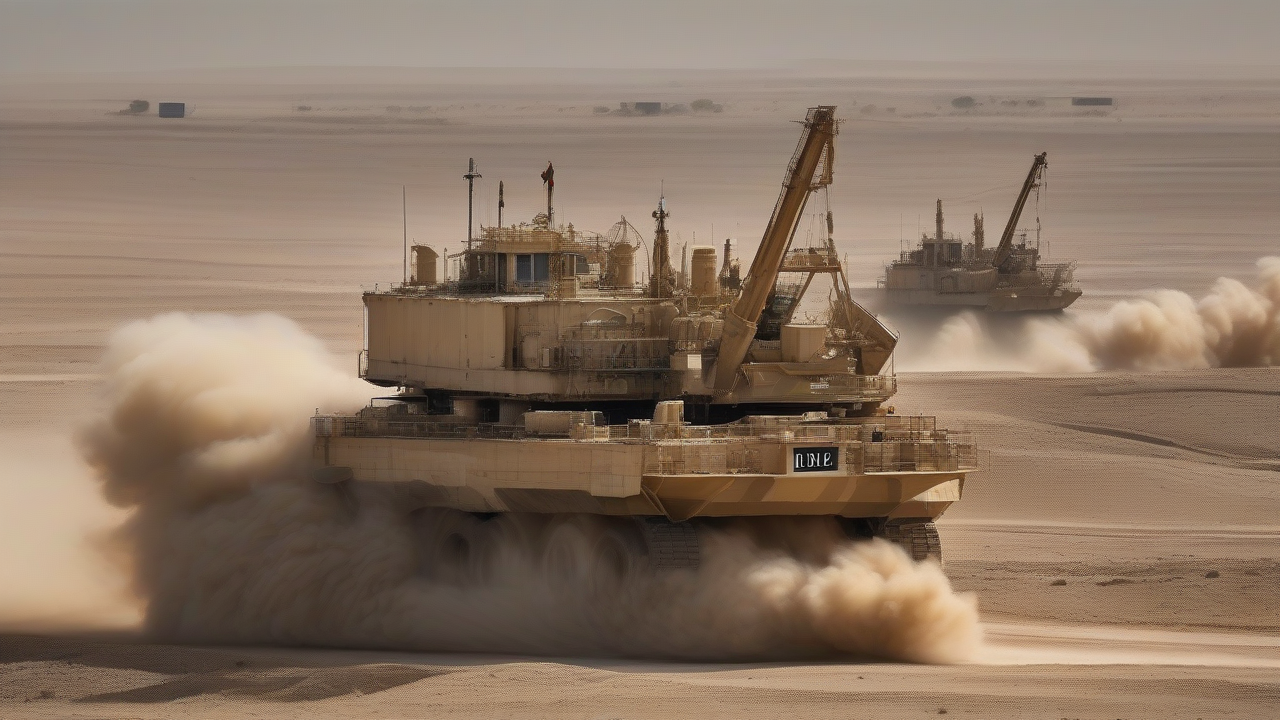
The prolonged war between the US, Israel, and Iran has resulted in a significant surge in oil and gas prices worldwide, according to reports from CBS News and other sources. As the conflict enters its 17th day, the Strait of Hormuz, a critical waterway for international oil trade, remains paralyzed, despite demands from the US to reopen it. This development has far-reaching implications for the global economy, as observers note that the continued disruption of oil supplies will likely lead to higher energy costs for consumers.
Regional Instability and Humanitarian Crisis
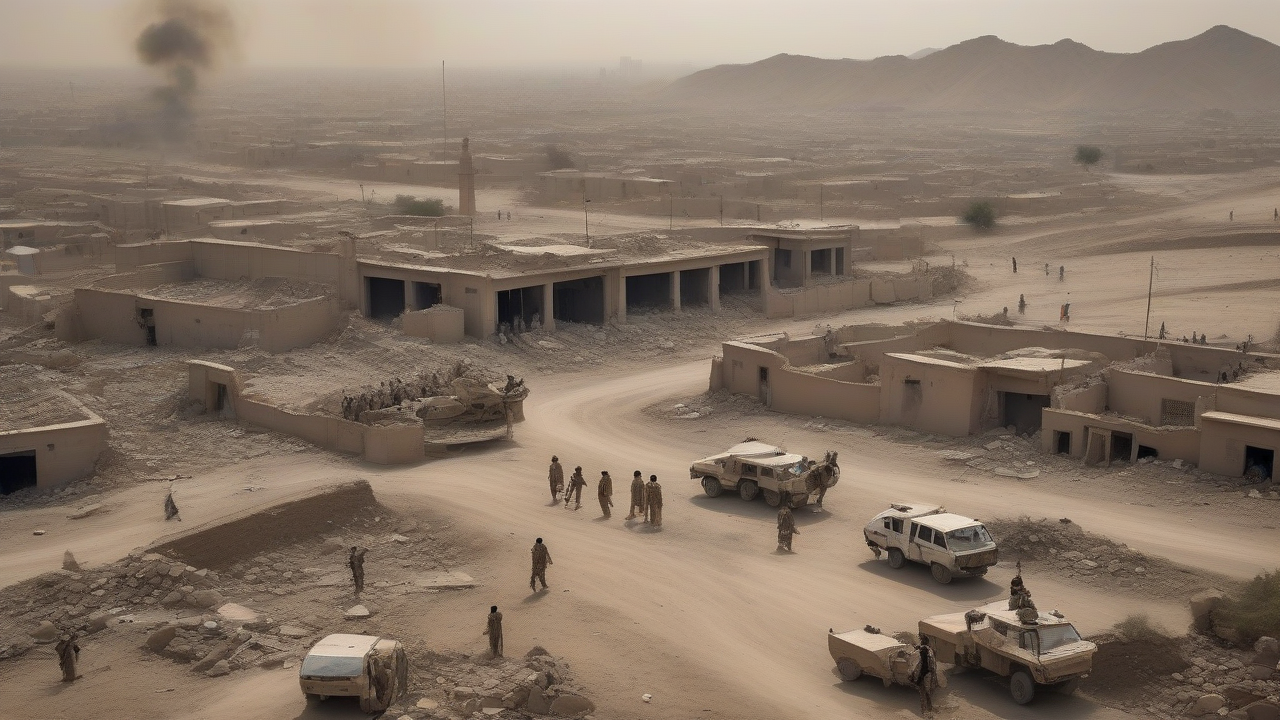
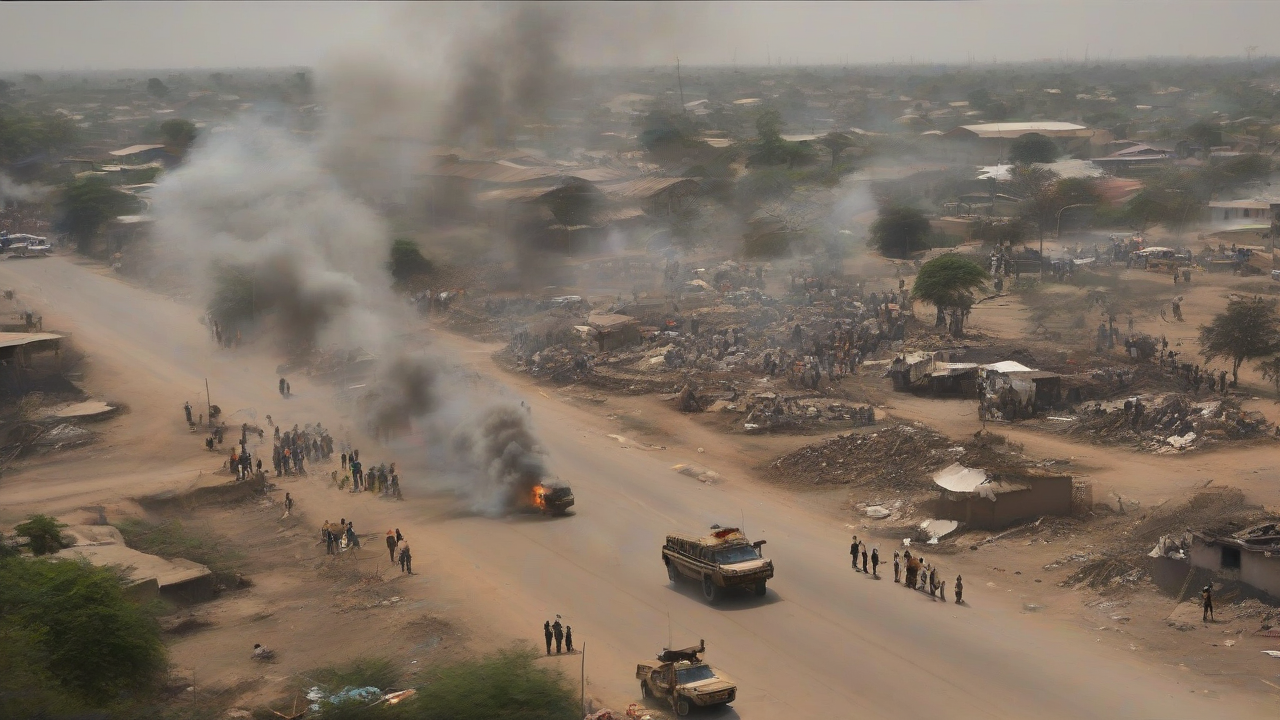
The escalation of violence in the region has also led to a worsening humanitarian crisis, with over 1 million Lebanese forced to flee their homes due to the fighting between Israel and Hezbollah, as reported by AP News. The situation on the ground is dire, with analysts pointing out that the conflict is having a devastating impact on civilians, including women and children. The international community is calling for an immediate ceasefire and a negotiated settlement to the conflict, but so far, a peaceful resolution remains elusive.
Global Economic Implications
The ongoing war in the Middle East has significant implications for the global economy, as experts note that the disruption of oil supplies will likely lead to higher energy costs, inflation, and potentially even recession. The move by the US to pressure China and NATO countries to help open the Strait of Hormuz, as reported by The New York Times, signals a growing concern about the impact of the conflict on global trade and economic stability. However, observers point out that any solution will require a coordinated international effort, which may be difficult to achieve given the complex geopolitical dynamics at play.
Humanitarian Efforts and International Response
As the humanitarian crisis deepens, international organizations and governments are scrambling to respond to the needs of affected civilians. According to sources, including PBS, Israel has stepped up its bombing campaign in Lebanon, while Iran continues to maintain a stranglehold on shipping in the region. The situation is further complicated by the involvement of various international actors, including the US, China, and NATO countries, which are attempting to navigate the complex web of alliances and interests in the region.
What to Watch Next
As the conflict continues to unfold, observers will be watching closely for any signs of a negotiated settlement or a ceasefire. The international community will also be monitoring the humanitarian situation on the ground, with a focus on providing aid and support to affected civilians. In the coming days and weeks, analysts will be looking for any indications of a shift in the balance of power in the region, as well as any potential consequences for global energy markets and the economy. According to CNN, the US and Israel’s war with Iran has already had significant consequences, and the situation remains highly volatile, with no clear end in sight.

Reader Comments