
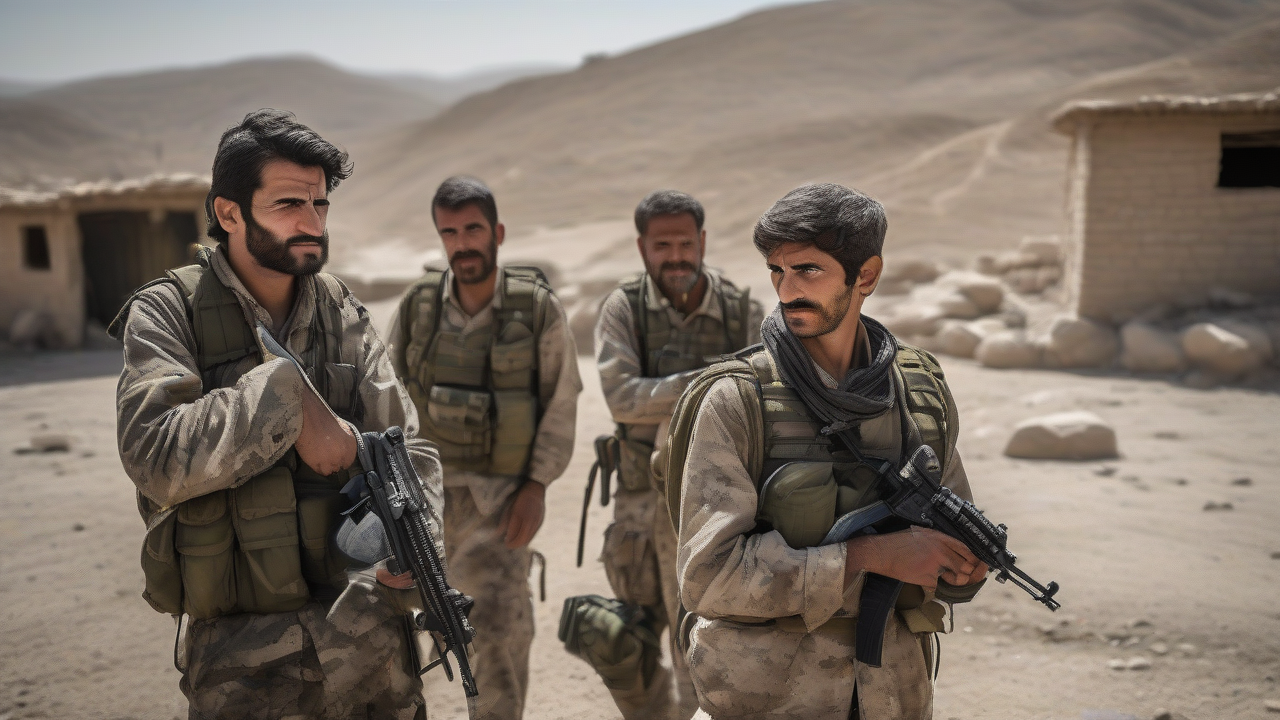
A Desperate Plea for Support
In a stark reminder of the complexities of Middle Eastern geopolitics, Kurdish fighters are seeking assistance from the United States, specifically from President Trump, in their quest to confront the Iranian regime. This development comes as tensions between Iran and the US continue to escalate, with the Kurds finding themselves at the forefront of this conflict. According to reports from USA Today, the situation on the ground is dire, with exiled Kurds facing drone fire as they prepare to take action against Iran.
Historical Context and Current Implications
The phrase “no friends but the mountains” is a haunting expression of the isolation and desperation felt by the Kurdish people, who have historically been caught between larger powers vying for influence in the region. Analysts note that the Kurds’ desire for US support, particularly in the form of air cover, signals a significant escalation in their conflict with Iran. This move could have far-reaching implications, not just for the region but also for the global community, as it potentially draws in other nations and exacerbates existing tensions.
The Role of the US and International Community
Observers point out that the US has a history of involvement in the region, and its response to the Kurds’ plea for help will be closely watched. The Detroit News reports that Kurdish fighters are seeking US air cover to invade Iran, a move that would significantly increase the stakes in the conflict. Experts suggest that such an intervention could lead to a broader conflict, potentially involving other regional players like Turkey, as discussed in an analysis by The Conversation. The international community is thus faced with a complex dilemma, balancing the need to support oppressed groups like the Kurds with the risk of escalating an already volatile situation.
Impact on Regional Stability
The potential for US involvement in a ground war in Iran, even if indirectly through support for Kurdish fighters, raises significant concerns about regional stability. As reported by BBC, exiled Kurds are already under drone fire, indicating the high level of tension and violence in the area. The move signals a dangerous escalation that could have widespread consequences, affecting not just Iran and the Kurdish regions but also neighboring countries and global oil markets.
What to Watch Next
As the situation continues to unfold, several key developments will be crucial to watch. The US response to the Kurds’ request for assistance will be a significant indicator of how the conflict may evolve. Additionally, the reactions of other regional players, including Turkey and Iran, will be closely monitored. Upcoming diplomatic efforts or military maneuvers could either de-escalate the situation or push it towards a full-blown crisis. According to sources, the next few weeks will be critical in determining the trajectory of this conflict, with potential implications for global peace and security.
Broader Implications and Future Outlook
The conflict between the Kurds and Iran, with its potential for US involvement, is a stark reminder of the enduring challenges in the Middle East. Analysts indicate that resolving this issue will require a nuanced approach, considering both the historical grievances of the Kurdish people and the geopolitical realities of the region. As the international community navigates this complex situation, it must balance competing interests and priorities to prevent further escalation and work towards a stable and peaceful resolution. The path forward will undoubtedly be challenging, but observers note that a careful and coordinated approach could pave the way for a more secure future for all parties involved.
Reader Comments