
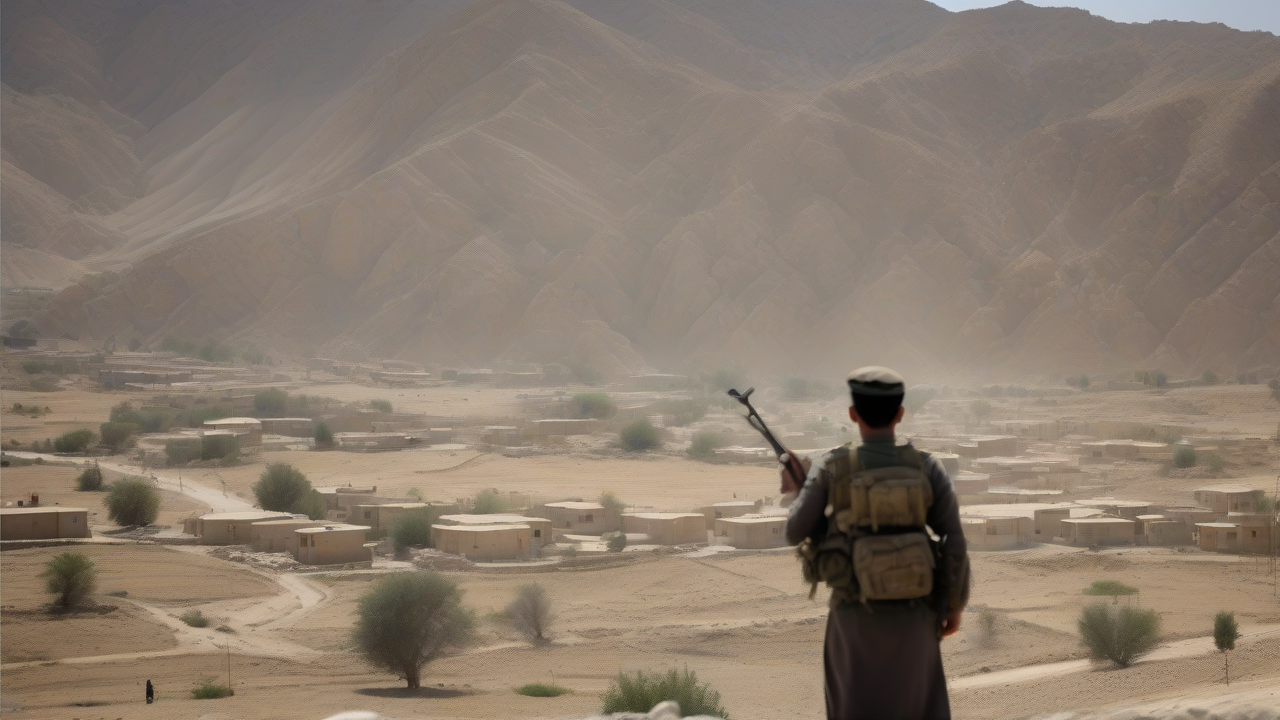
Kurdish Rebels’ Limited Role in Iran’s Turmoil
Iran’s regime is facing numerous challenges, but according to analysts, Kurdish rebels are unlikely to be the catalyst for its downfall. The Kurdish rebel groups, which have been active in the region for decades, are currently small, divided, and wary of taking on the Iranian government alone. As reported by The Times of Israel, these groups lack the cohesion and strength needed to pose a significant threat to the regime.
Historical Context and Current Challenges
The Kurdish people have a long history of struggle for autonomy and self-governance, with the phrase “no friends but the mountains” reflecting their sense of isolation and reliance on their mountainous territories. However, their current situation is marked by division and a lack of unity, which hinders their ability to effectively challenge the Iranian government. Observers point out that the Kurds have been seeking support from external sources, including the United States, to aid them in their struggle against Iran. For instance, USA Today notes that some Kurds are looking to former US President Trump for help in launching a ground war against Iran.
Regional Dynamics and Potential Escalations
The situation in the region is complex, with multiple players involved, including the US, Turkey, and Iran. The Conversation suggests that the next escalation in the Iran conflict could be between the US and Turkey, which would have significant implications for the region. Meanwhile, exiled Kurdish groups are waiting to confront the Iranian regime, but they are currently under drone fire, as reported by the BBC. Experts note that the Kurds could potentially play a role in helping to counter Iranian influence, as argued in an opinion piece by the WSJ.
Impact on Regional Stability
The ongoing turmoil in Iran and the surrounding region has significant implications for regional stability. The lack of a unified and strong Kurdish rebel movement means that the burden of challenging the Iranian regime falls on other actors, including external powers. Analysts note that this could lead to further escalation and conflict in the region, which would have far-reaching consequences. According to sources, the situation is being closely monitored by regional and international observers, who are aware of the potential for further instability.
Future Developments and Uncertainties
As the situation in Iran and the region continues to evolve, there are several factors to watch in the coming weeks and months. The role of external powers, including the US and Turkey, will be crucial in determining the trajectory of the conflict. Additionally, the ability of Kurdish rebel groups to unify and strengthen their position will be important in assessing their potential impact on the Iranian regime. However, as reported by various sources, including The Times of Israel and USA Today, the current divisions and weaknesses within the Kurdish rebel movement make it unlikely that they will be the ones to bring down the Iranian regime. Sources indicate that the situation remains uncertain, and further developments will be closely watched by observers and analysts.

Reader Comments