
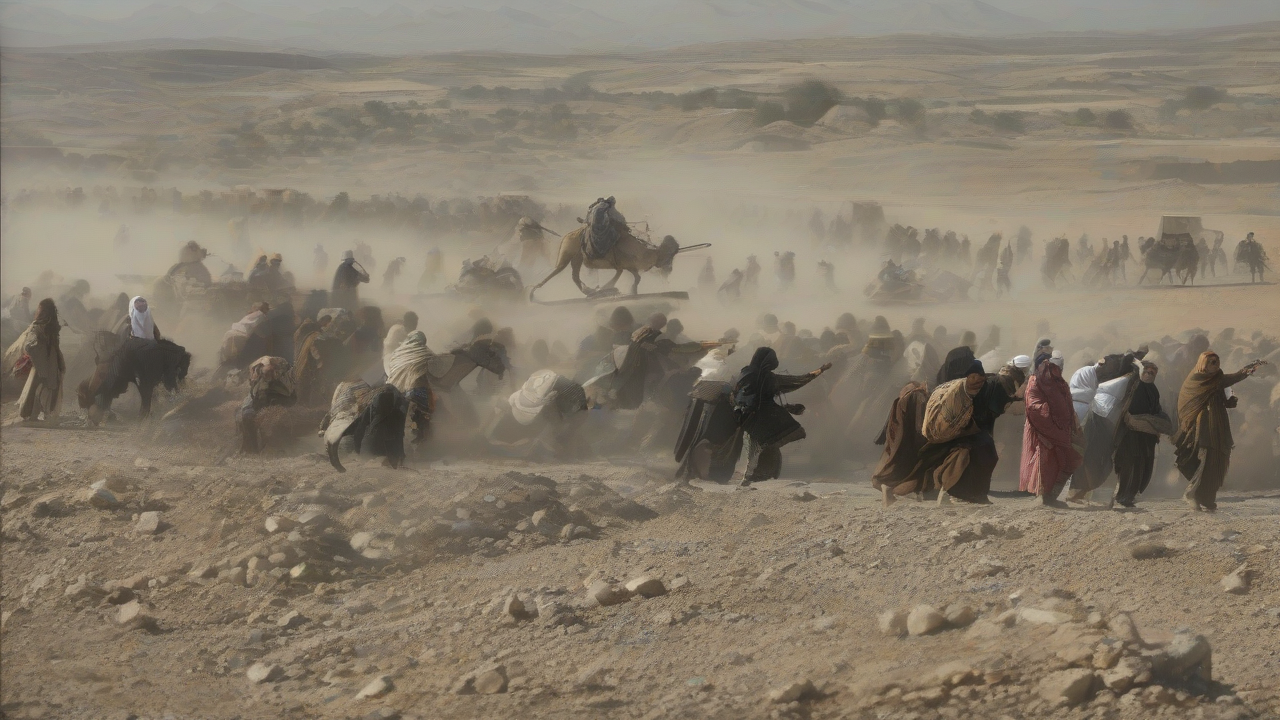
Escalating Tensions in the Middle East
A senior Kurdish leader in Iran has expressed willingness to join forces in a potential war against the Iranian regime, provided the United States offers its support, according to a report by Newsweek. This development comes as the region teeters on the brink of further escalation, with the Kurdish community bearing the brunt of drone attacks and awaiting an opportunity to confront the Iranian government.
A Delicate Balance of Power
Observers point out that the involvement of Kurdish forces could significantly alter the dynamics of the conflict, potentially drawing in other regional players. The Conversation notes that the next major escalation in the Iran conflict might not involve Iran directly, but rather a clash between the US and Turkey, highlighting the complex web of alliances and interests at play. Analysts note that such a scenario would have far-reaching implications, affecting not just the immediate region but also global geopolitics.
Historical Context and Implications
The situation is reminiscent of past conflicts, including the atrocities committed by Saddam Hussein, as reported by The Times. The ghost of America’s ‘forever wars’ continues to haunt the region, with the Kurdish community often finding itself at the forefront of these conflicts. The New York Times suggests that a Kurdish rebellion in Iran could have disastrous consequences, underscoring the need for cautious and well-considered actions by all parties involved.
On the Ground
Exiled Kurds, currently under drone fire, are preparing to confront the Iranian regime, as documented by the BBC. Their readiness to engage, contingent on US support, signals a deep-seated desire for change and a willingness to take significant risks to achieve it. However, the path forward is fraught with uncertainty, and the potential for widespread conflict is very real.
Expert Analysis
According to sources, the move by the Kurdish leader signals a strategic attempt to leverage US influence in the region. Analysts indicate that this strategy is not without risk, as it could provoke a severe response from the Iranian government, potentially leading to further destabilization. The international community is watching these developments closely, aware that the consequences of miscalculation could be severe.
What’s at Stake
The impact of such a conflict would be felt far beyond the borders of Iran, affecting regional stability and potentially drawing in global powers. The stakes are high, with the welfare and security of the Kurdish community hanging in the balance. As reported by various sources, including Newsweek and The New York Times, the situation demands careful consideration and diplomatic effort to prevent escalation.
Looking Ahead
As the situation continues to unfold, observers will be watching for signs of US engagement or lack thereof, as well as the responses of other regional actors, including Turkey. Upcoming decisions by major players will be crucial in determining the trajectory of the conflict. According to The Conversation, the next few weeks will be pivotal in understanding whether the conflict will escalate further or if diplomatic channels can still prevail. Sources indicate that any miscalculation at this juncture could have lasting and far-reaching consequences.
Reader Comments