
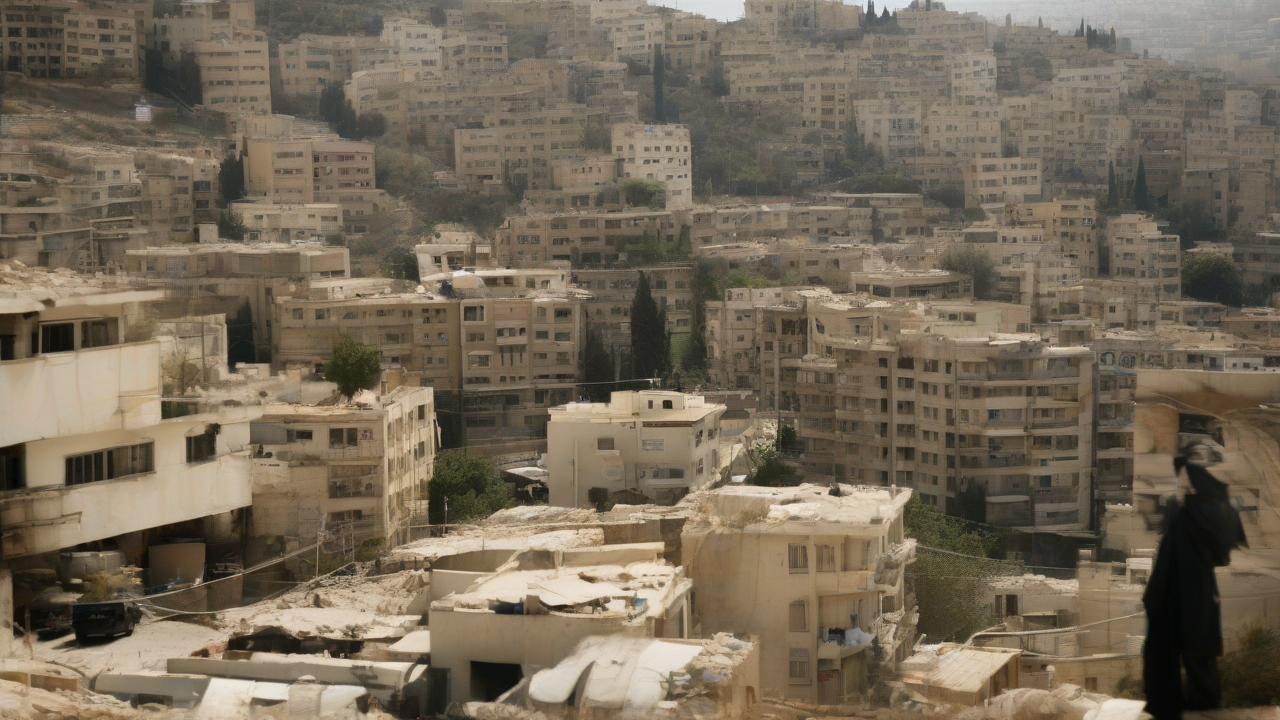
Escalating Tensions in the Middle East
As the conflict between the US, Israel, and Iran enters its 14th day, the situation remains volatile, with ongoing attacks and retaliatory strikes. According to reports from Al Jazeera and The New York Times, Israel has targeted Hezbollah in Beirut, resulting in strikes hitting the city center. This development has significant implications for the region, as observers point out that the escalation of violence could lead to a wider conflict.
Regional Unrest and Global Concerns
The annual anti-Israel rally in Tehran, which drew thousands of people on Friday, highlights the deep-seated tensions between Iran and Israel. Meanwhile, the Trump administration’s efforts to avert an energy crisis tied to the Iran war have had limited impact, as oil markets have largely shrugged off the initiatives, as reported by Bloomberg.com. Analysts note that the lack of relief in oil markets suggests that the global economy is not yet feeling the full effects of the conflict, but the potential for disruption remains high.
Leadership and Diplomacy
Iran’s supreme leader has issued a message, his first since appointment, which some see as an attempt to rally support and assert leadership amid the ongoing crisis. However, the tone of the message, as reported by CNN, has been described as defiant, which may indicate a hardening of positions. The move signals that diplomatic efforts to resolve the conflict may face significant challenges, as both sides appear to be digging in for a prolonged standoff.
Humanitarian and Economic Impacts
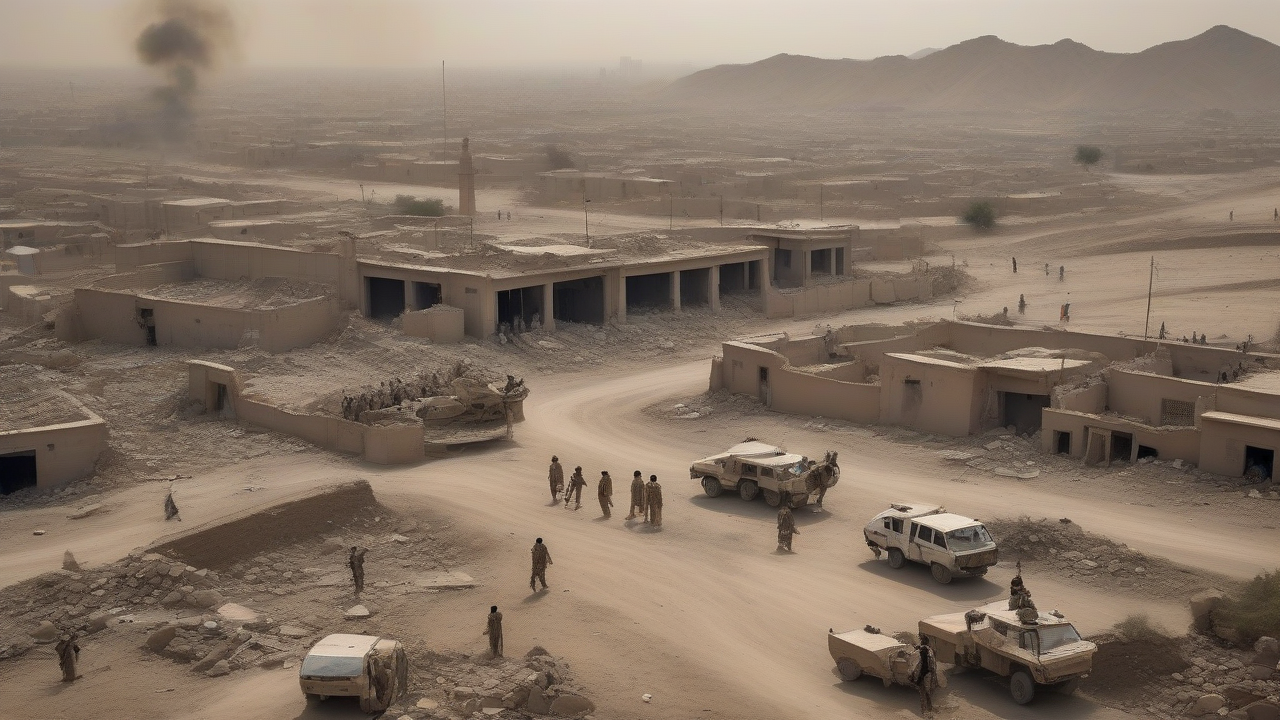
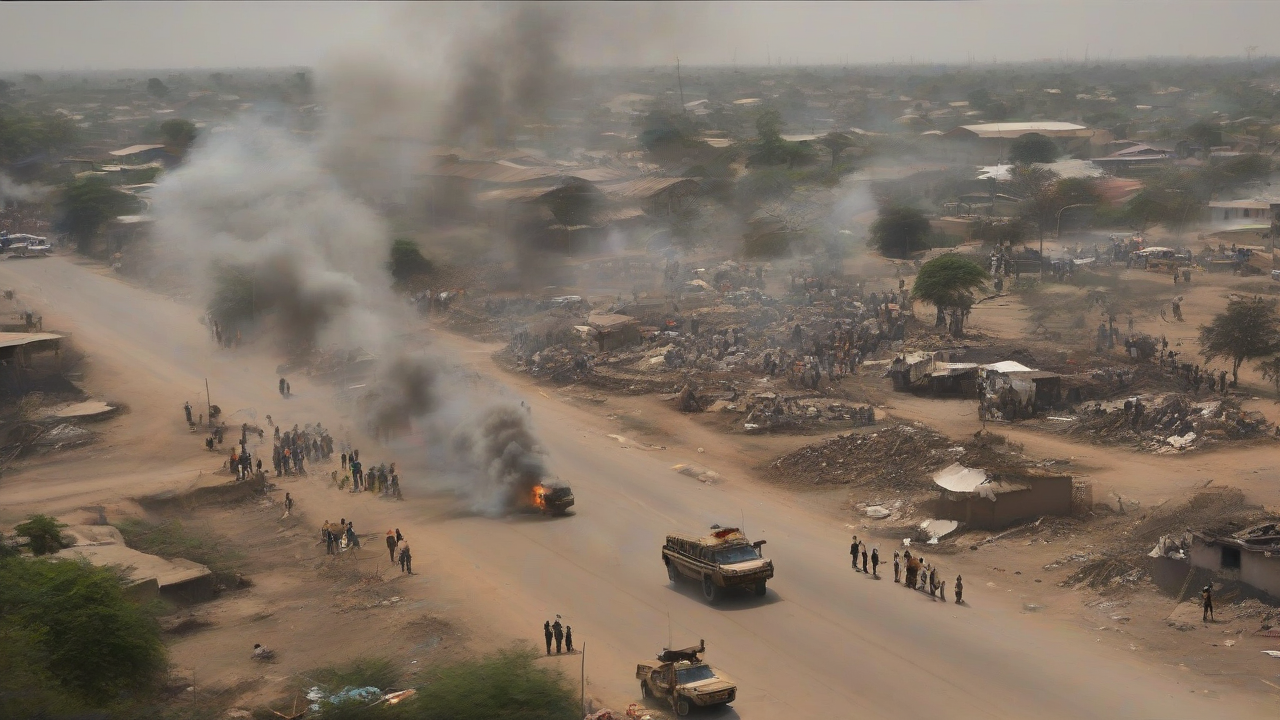
The conflict is having a direct impact on civilians, with reports of strikes hitting populated areas. The humanitarian stakes are high, as observers point out that the longer the conflict continues, the greater the risk of civilian casualties and displacement. Furthermore, the economic implications of the war are far-reaching, with the potential for disruption to global oil supplies and trade routes. According to sources, the conflict could have significant consequences for the global economy, particularly if it leads to a protracted and widespread conflict.
What to Watch Next
As the situation continues to unfold, several key developments will be worth watching. The response of the international community, including major powers and regional actors, will be crucial in determining the trajectory of the conflict. Additionally, the ability of the parties involved to negotiate a ceasefire or diplomatic resolution will be closely monitored. With the conflict showing no signs of abating, the coming days and weeks will be critical in shaping the future of the region and the global economy. As reported by various news outlets, including Facebook.com and The New York Times, the situation remains fluid, and further updates are expected as the situation develops.

Reader Comments