
Escalating Tensions in the Middle East
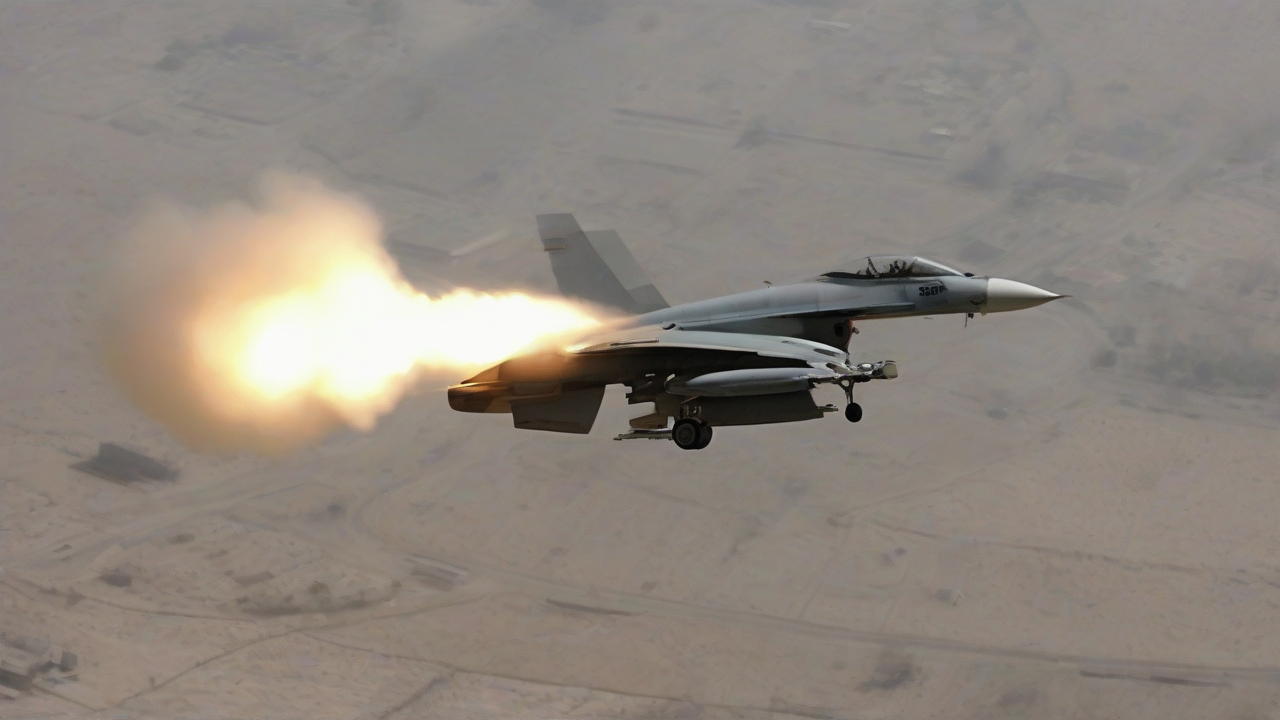
The Israeli Defense Forces (IDF) have launched a strike against an aircraft previously used by Iran’s late Supreme Leader, Ali Khamenei, according to reports from The Jerusalem Post and Reuters. This development comes as part of a broader escalation of tensions in the region, with Israel and the US engaging in military operations against Iranian targets.
A Complex Web of Alliances
Analysts note that the situation is further complicated by the refusal of key European nations, including the UK and Germany, to join the US and Israel in their offensive against Iran, as reported by India Today. This reluctance to engage in the conflict underscores the deep divisions within the international community regarding the appropriate response to Iranian aggression.
Military Operations Intensify
The IDF has also initiated a targeted ground operation in south Lebanon, aimed at expanding a buffer zone against the Iranian-backed militant group, Hezbollah, according to The Times of Israel. This move is seen as an attempt to bolster Israel’s defenses and prevent potential attacks from across the border.
Tehran’s Response
In response to the escalating violence, Tehran has called for a definitive end to the war, while also asserting that the Strait of Hormuz, a critical waterway for international oil shipments, is not closed but rather subject to controlled traffic, as reported by the Hindustan Times. Observers point out that this statement may be an attempt to reassure global markets and prevent further economic destabilization.
Implications and Concerns
The ongoing conflict has significant implications for regional stability and global security. Experts warn that the situation could rapidly spiral out of control, drawing in other nations and leading to a wider, more devastating war. The refusal of European nations to join the US and Israel in their military operations against Iran may be seen as an attempt to avoid such an outcome, but it also underscores the challenges of building a unified international response to the crisis.
What to Watch Next
As the situation continues to unfold, observers will be closely watching for any signs of escalation or de-escalation. Key developments to watch include potential responses from Iran and its allies, as well as any shifts in the positions of European nations or other international actors. According to sources, the coming days and weeks will be critical in determining the trajectory of the conflict and the potential for a wider war. As reported by The Jerusalem Post, the IDF’s actions are seen as a significant escalation, and the international community will be closely monitoring the situation for any signs of further violence or diplomacy.
Reader Comments