
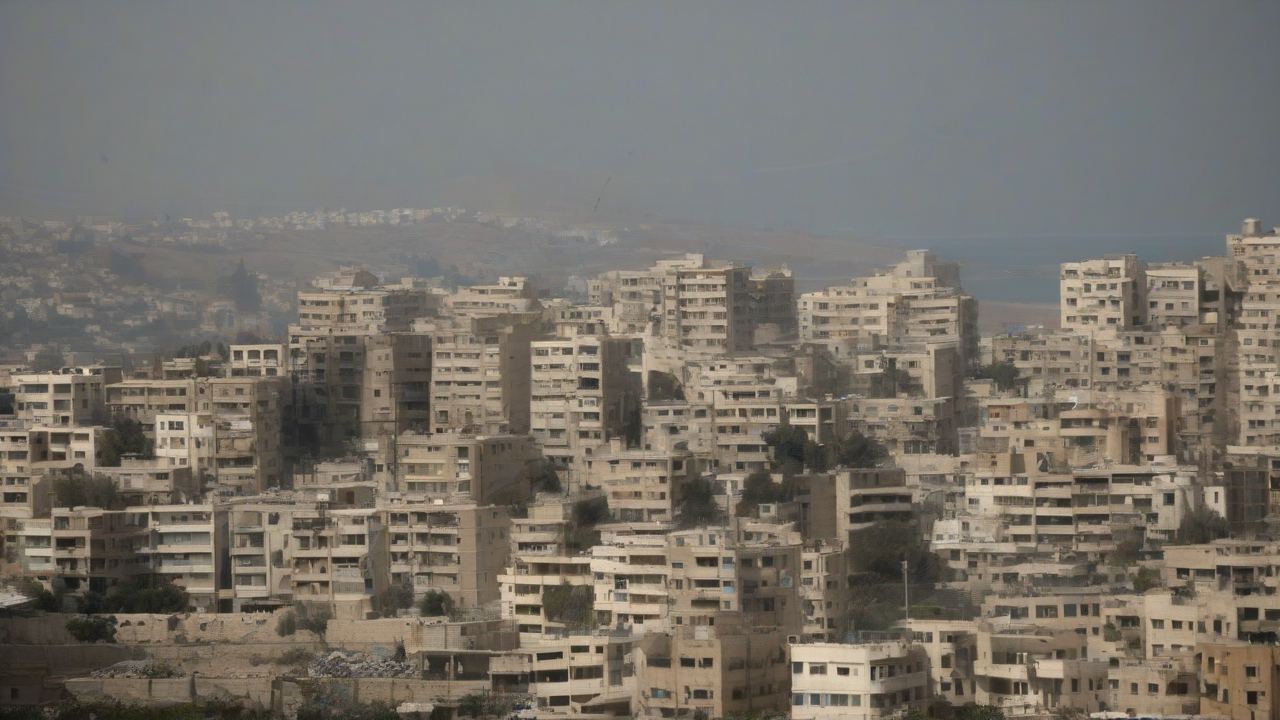
Escalating Conflict in Beirut
The latest developments in the Middle East conflict have seen a significant escalation, with Israeli strikes hitting central Beirut, resulting in the deaths of Iranians in a luxury hotel, according to reports from the BBC. This incident marks a concerning expansion of the conflict into the heart of the Lebanese capital, affecting not only the immediate victims but also the broader population and regional stability.
Background and Implications
Observers point out that the Israeli Defense Forces (IDF) have been targeting Hezbollah command centers and weapons sites in the Beirut suburbs, as reported by The Times of Israel. These strikes are part of a larger conflict that has been ongoing, with significant implications for the region. Analysts note that the involvement of Iranian nationals in the conflict, particularly in the context of the latest strike, adds a complex layer to the already volatile situation. The health ministry in Lebanon has reported five deaths in recent strikes, as documented by The Guardian, highlighting the human cost of the escalating violence.
The Role of Hezbollah and Linked Institutions
The conflict also involves institutions linked to Hezbollah, such as the Al-Qard Al-Hassan financial institution, which has been a subject of interest, as explained by Al Jazeera. Understanding the role of such institutions is crucial in grasping the full scope of the conflict and its potential for further escalation. Experts suggest that targeting these institutions could be part of a broader strategy to weaken Hezbollah’s capabilities and influence in the region.
Immediate Impact and Reactions
The strikes on Lebanon, including an apartment building in central Beirut as reported by Reuters, have immediate and far-reaching consequences. The Lebanese state media’s account of these events underscores the gravity of the situation and the need for a comprehensive understanding of the conflict’s dynamics. As the conflict expands into densely populated areas, the risk of civilian casualties increases, posing significant challenges for humanitarian efforts and diplomatic initiatives aimed at resolving the crisis.
Looking Ahead
As the situation continues to unfold, observers are closely watching for any signs of escalation or potential pathways to de-escalation. The international community’s response to these developments will be critical, with many calling for restraint and a return to diplomatic efforts to resolve the underlying issues driving the conflict. Upcoming diplomatic meetings and statements from key regional and global players will be closely scrutinized for indications of how the situation might evolve. According to sources, the next few days will be pivotal in determining the trajectory of the conflict, with the potential for either further violence or a move towards negotiations.
Regional and Global Implications
The conflict in Beirut has significant regional and global implications, affecting not only the immediate parties involved but also neighboring countries and international relations. Analysts note that the situation in Lebanon is intricately linked to broader Middle East dynamics, with the potential to impact stability and security across the region. As reported by various news outlets, including the BBC and The Times of Israel, the conflict’s expansion into central Beirut marks a dangerous turn, highlighting the need for urgent diplomatic action to prevent further escalation.
Humanitarian Concerns
The humanitarian situation in Lebanon is of growing concern, with the conflict resulting in casualties and displacement. Experts point out that the targeting of civilian areas and infrastructure could lead to a significant humanitarian crisis, necessitating a robust response from the international community. The health ministry’s reports of casualties, as well as accounts from humanitarian organizations, underscore the urgent need for access to affected areas and the provision of aid to those in need.
Conclusion
The recent escalation of the conflict in Beirut, marked by Israeli strikes on central Beirut and the killing of Iranians in a luxury hotel, signals a dangerous turn in the region’s dynamics. As the situation continues to evolve, it is crucial to understand the complex factors at play, including the roles of various actors and institutions. The international community’s response will be pivotal in determining the conflict’s trajectory, with a focus on preventing further escalation and promoting a path towards resolution. According to sources, including Al Jazeera and Reuters, the coming days will be critical in shaping the future of the region.

Reader Comments