
Escalating Tensions in the Middle East
A significant escalation in the conflict between Israel and Lebanon is underway, with Israeli officials indicating plans for a large-scale ground invasion of Lebanon, according to reports from Axios and The Jerusalem Post. This development comes as the Israeli military has already begun raiding new areas in southern Lebanon and bombarding locations near Beirut, as reported by The New York Times.
Background and Motivations
Observers point out that the goal of this expanded military operation, as stated by Israeli officials, is to target Hezbollah, a militant group based in Lebanon that Israel views as a significant threat. However, analysts note that the preparation of additional civilian infrastructure targets for possible approval raises concerns about the potential impact on civilians. Israeli media sources indicate that Prime Minister Netanyahu has requested the army to prepare these targets to pressure the Lebanese government to rein in Hezbollah’s activities.
Implications and Concerns
The move signals a potentially dangerous escalation in the conflict, with implications for regional stability. Experts warn that targeting civilian infrastructure, even if intended to pressure the government, could lead to significant harm to non-combatants and exacerbate the humanitarian situation in Lebanon. The international community is watching the situation closely, with many calling for restraint and a peaceful resolution to the conflict.
Military Build-Up and Operations
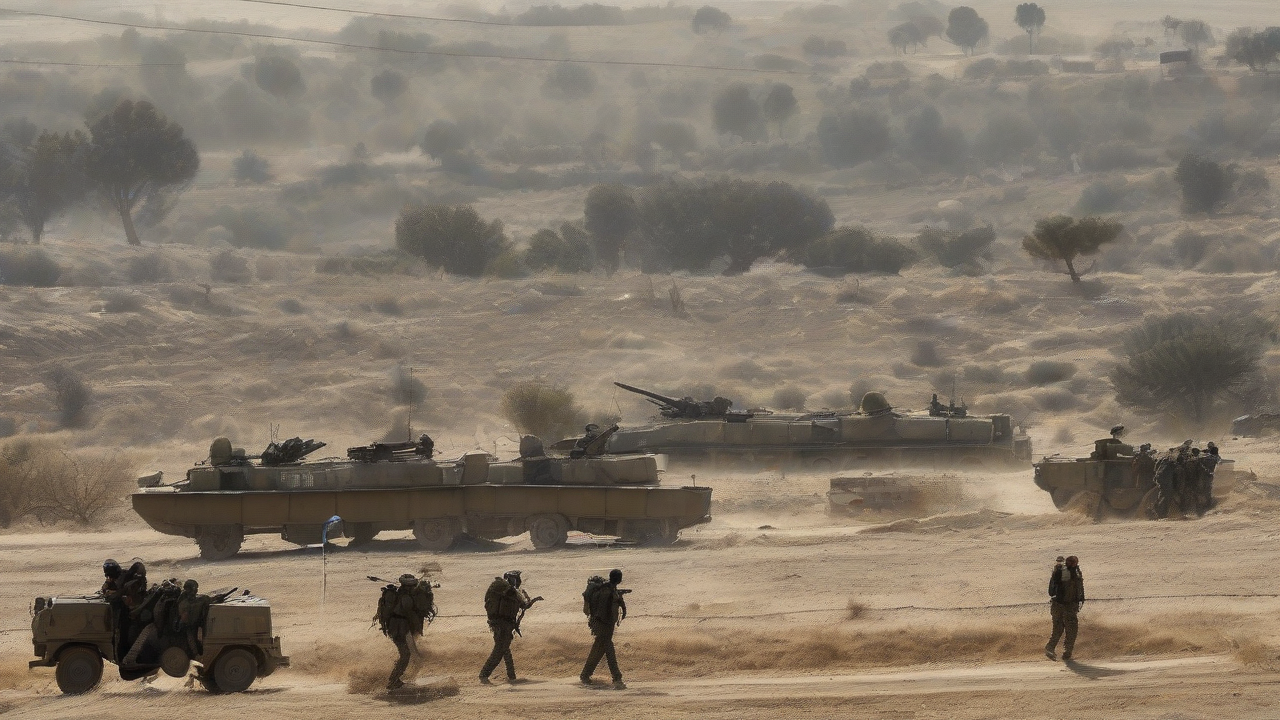
As reported by The Times of Israel, the Israeli Defense Forces (IDF) are bolstering troops in the north amid ongoing fighting with Hezbollah. This build-up suggests that Israel is preparing for a prolonged and intensified conflict. The IDF’s actions, including the raiding of new areas in southern Lebanon and bombardment near Beirut, indicate a strategic effort to weaken Hezbollah’s capabilities and influence in the region.
Impact on Civilians and the Region
The escalation of the conflict is likely to have severe consequences for civilians in Lebanon, who may face displacement, injury, or loss of life. The destruction of civilian infrastructure could also lead to long-term economic and social damage. Furthermore, the conflict has the potential to draw in other regional actors, potentially destabilizing the entire Middle East.
What to Watch Next
In the coming days and weeks, observers will be closely watching the situation on the ground, including any further military actions by Israel and the response from Hezbollah and the Lebanese government. Diplomatic efforts to resolve the conflict peacefully will also be crucial, with the international community playing a key role in encouraging restraint and a negotiated settlement. According to sources, the situation remains volatile, and any miscalculation could lead to further escalation, making it essential to monitor developments closely.

Reader Comments