
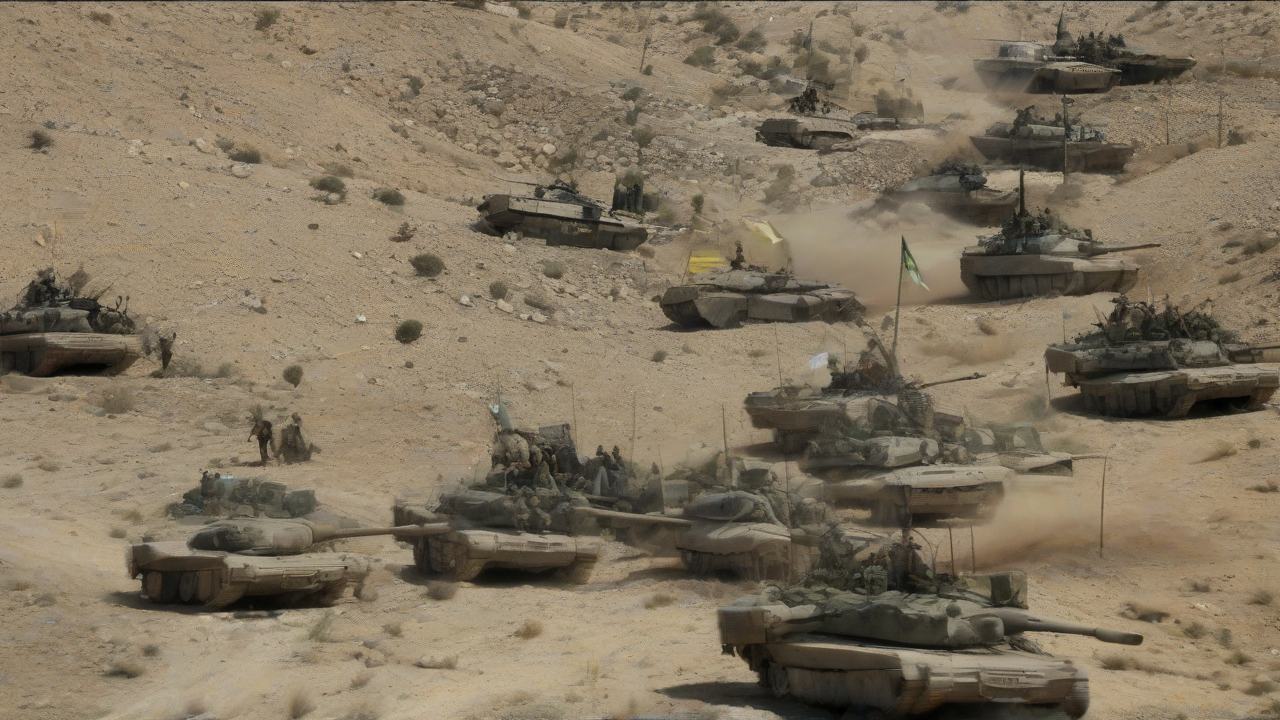
Humanitarian Crisis Unfolds in Lebanon
The escalating conflict between Israel and Hezbollah has led to a massive displacement of Lebanese civilians, with over 1 million people forced to flee their homes, according to reports from AP News and other outlets. This staggering figure highlights the severity of the crisis, which is being exacerbated by harsh weather conditions, including heavy rain.
A Growing Refugee Crisis
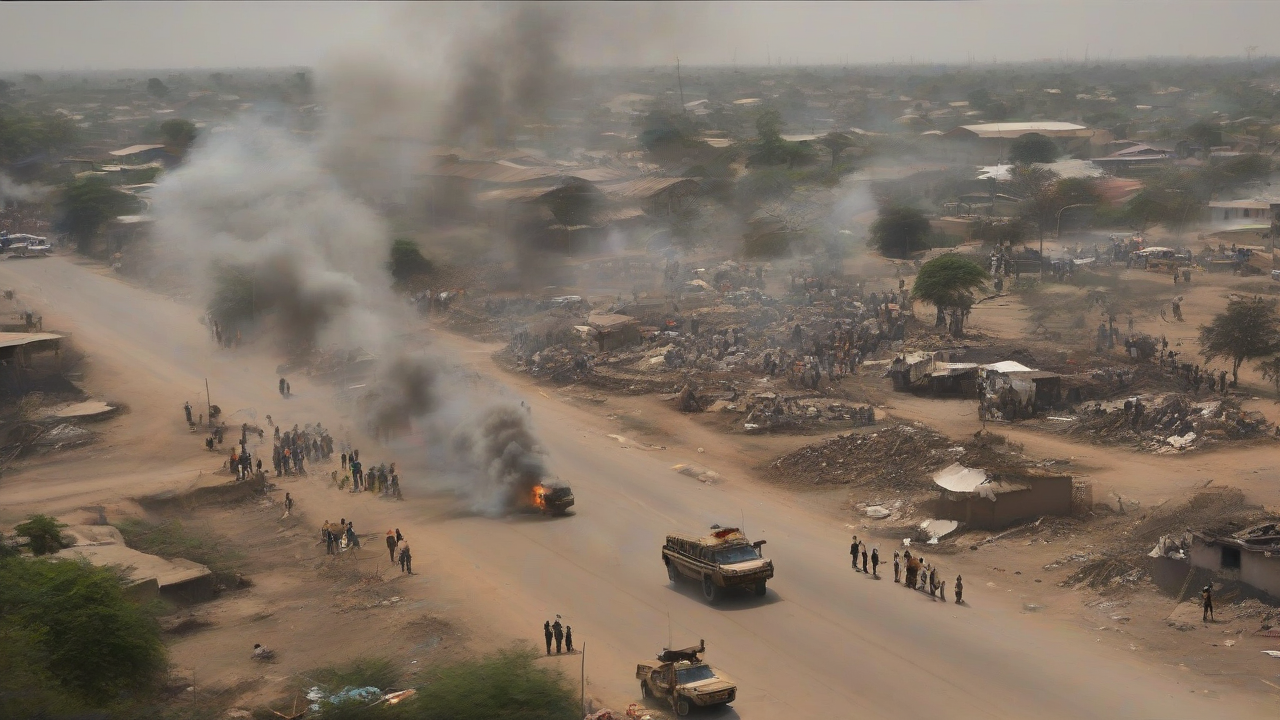
As the fighting intensifies, entire families are being torn from their homes, and towns are being emptied, as reported by The Guardian. The situation is dire, with many Lebanese citizens seeking shelter in makeshift camps, schools, and stadiums, as documented by Al Jazeera and Reuters. These makeshift shelters are often inadequate, leaving families vulnerable to the elements and without access to basic necessities like food, water, and healthcare.
Broader Implications
Analysts note that the conflict in Lebanon is part of a larger regional dynamic, with far-reaching implications for the Middle East. The situation is complex, with multiple factions and interests at play, making a peaceful resolution increasingly difficult to achieve. Observers point out that the humanitarian crisis in Lebanon is a symptom of a deeper problem, one that requires a comprehensive and sustained effort to address the underlying issues driving the conflict.
Impact on Civilians
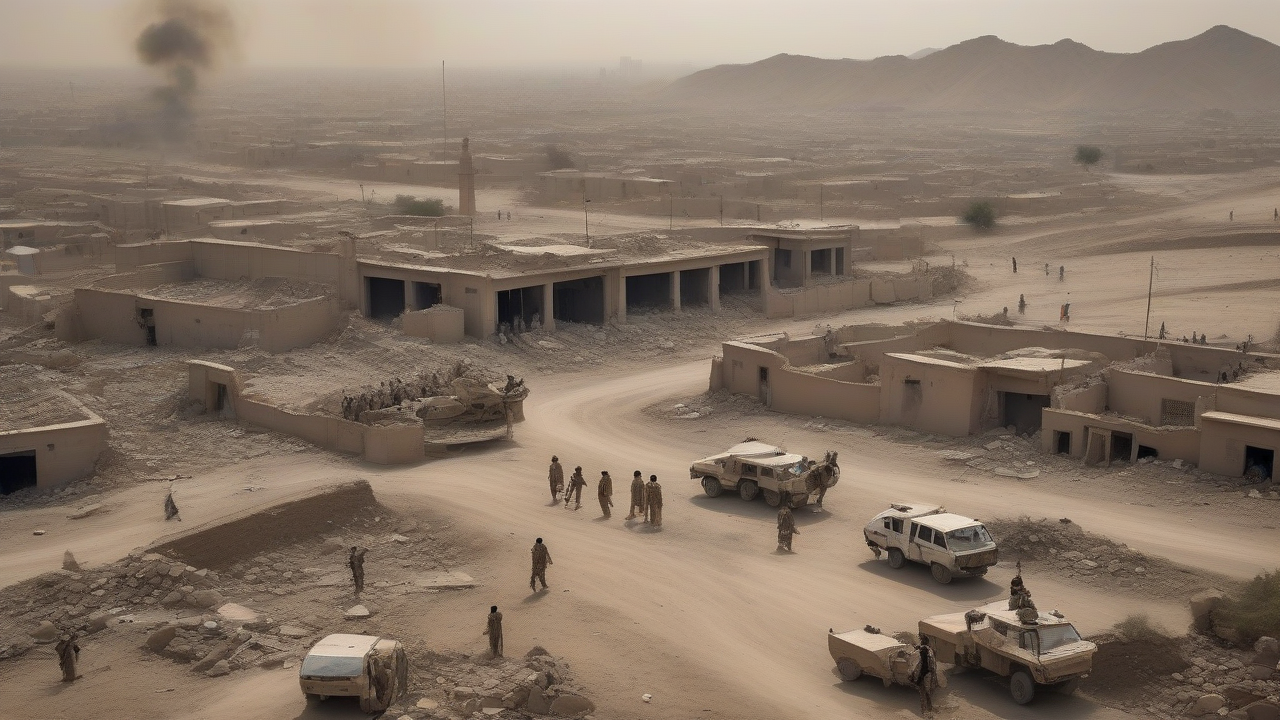
The human cost of the conflict is devastating, with civilians bearing the brunt of the violence. Sources indicate that entire families have been wiped out, and many more have been injured or displaced. The psychological trauma caused by the conflict will likely have long-lasting effects on the Lebanese population, particularly children and other vulnerable groups. As reported by The New York Times, the situation in Lebanon is a paradox, with the country struggling to balance its own internal dynamics with the external pressures driving the conflict.
International Response
The international community is facing growing pressure to respond to the crisis in Lebanon. Experts argue that a concerted effort is needed to address the humanitarian needs of the displaced population and to work towards a peaceful resolution to the conflict. The United Nations and other organizations are likely to play a key role in coordinating the response, but the challenge will be significant, given the complexity of the situation and the scale of the need.
What’s Next
As the situation in Lebanon continues to deteriorate, the world will be watching to see how the international community responds. Key developments to watch in the coming days and weeks include the deployment of humanitarian aid, the potential for diplomatic efforts to broker a ceasefire, and the response of regional powers to the crisis. According to sources, the situation is likely to remain volatile, with the potential for further escalation and humanitarian suffering. As the conflict continues to unfold, one thing is clear: the people of Lebanon are in desperate need of assistance, and the international community must act quickly to address their needs.

Reader Comments