
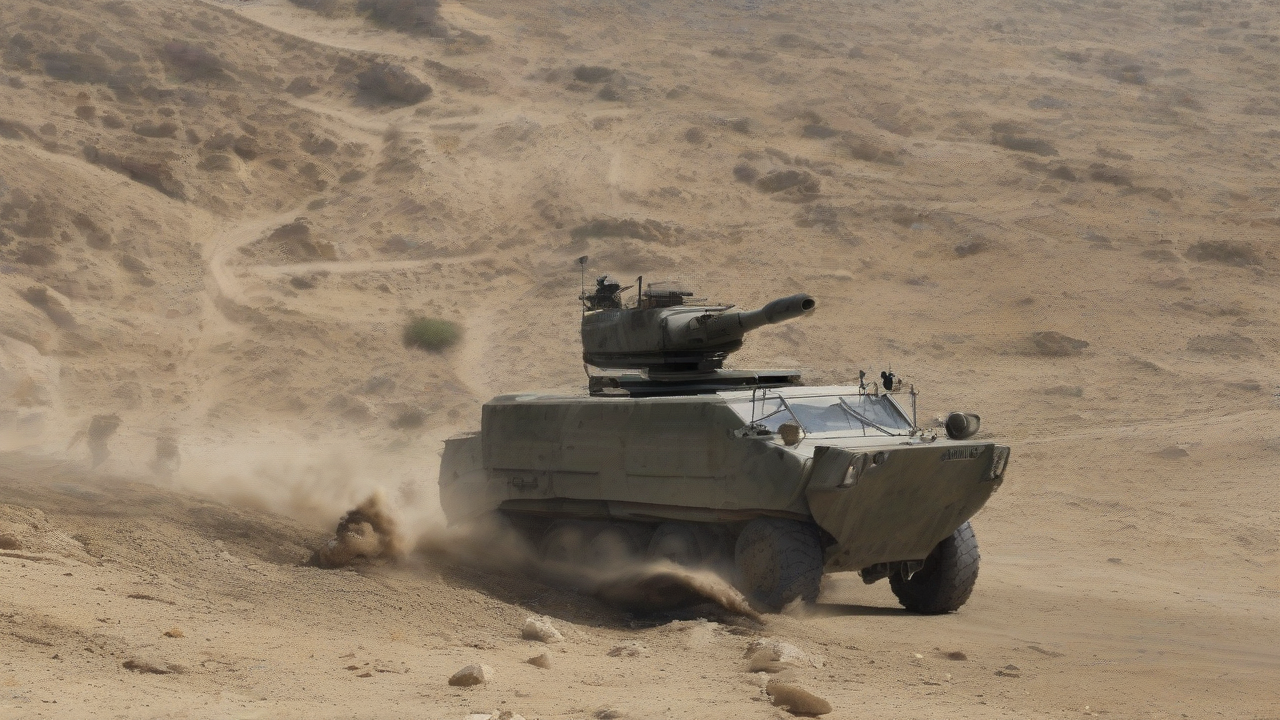
Escalating Conflict in Lebanon Sparks Fears of Long-Term Occupation
A significant escalation in Israel’s military campaign in Lebanon has raised concerns among observers about the potential for a prolonged occupation. According to reports from The Guardian, Israel is planning to expand its ground campaign in Lebanon, a move that analysts note could lead to a lengthy and complex conflict. This development comes as the situation in Lebanon continues to deteriorate, with Israeli attacks hitting major cities like Beirut and southern Lebanon, resulting in the displacement of over one million people, as reported by Al Jazeera.
Humanitarian Crisis Deepens
The humanitarian crisis in Lebanon is worsening, with a massive influx of displaced persons fleeing the conflict zones. Reuters reports that Israel has stated that Lebanese displaced persons will not be allowed to return to their homes until the safety of its own citizens is guaranteed. This stance has been met with criticism from some observers, who point out that it could lead to a prolonged and unstable situation. As the conflict escalates, the international community is increasingly concerned about the potential for a long-term occupation, which could have far-reaching consequences for the region.
Regional Implications
The conflict in Lebanon has significant regional implications, with Israel’s actions being closely watched by neighboring countries. The Times of Israel reports that Israeli President Herzog has called on Europe to support efforts to “eradicate” Hezbollah, a move that some analysts see as a signal of a broader regional strategy. Meanwhile, officials speaking to Axios have confirmed that Israel is planning a massive ground invasion of Lebanon, a development that could have major consequences for the entire Middle East.
Impact on Civilians
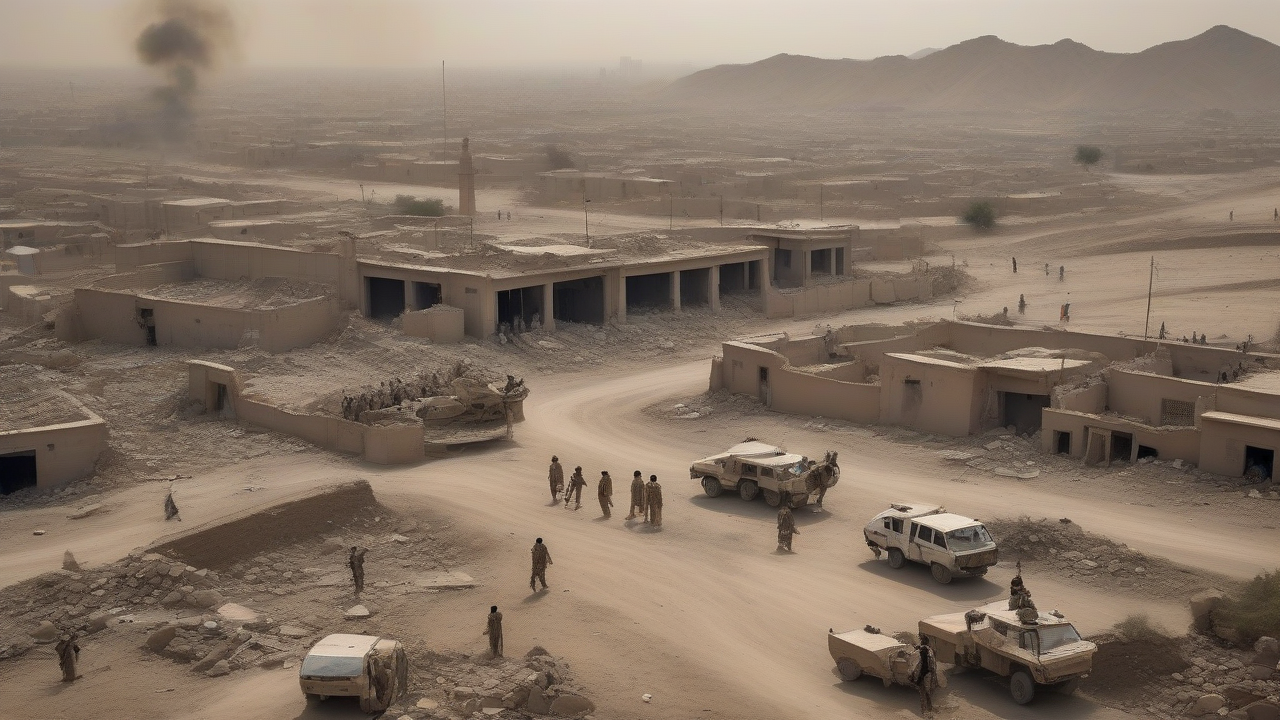
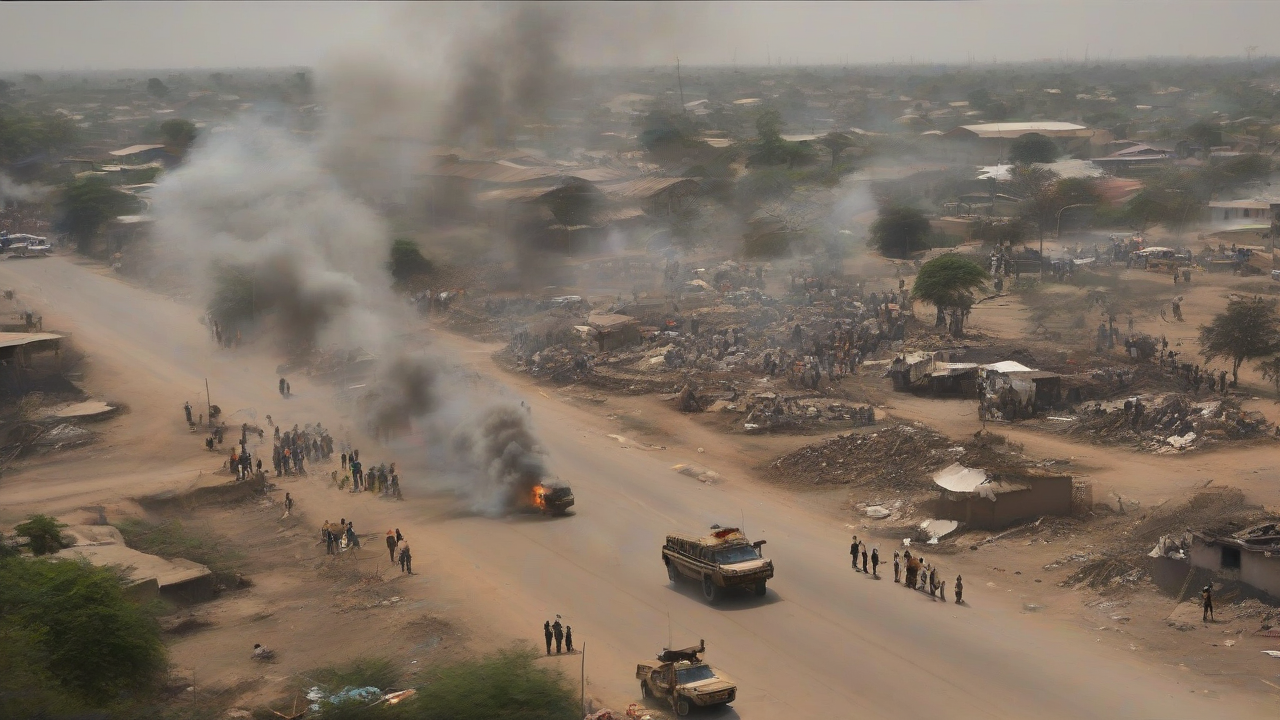
The conflict in Lebanon is having a devastating impact on civilians, with many forced to flee their homes and seek shelter in other parts of the country. According to sources, the displacement of over one million people has put a significant strain on Lebanon’s infrastructure and resources. As the situation continues to deteriorate, there are growing concerns about the potential for a humanitarian catastrophe. Observers point out that the international community must take urgent action to address the crisis and prevent further suffering.
What’s Next
As the conflict in Lebanon continues to escalate, all eyes are on the international community to see how it will respond. With a potential long-term occupation on the horizon, there are growing concerns about the potential consequences for the region. According to sources, the United Nations and other international organizations are working to broker a peaceful resolution to the conflict, but so far, a lasting solution has proven elusive. As the situation continues to unfold, it remains to be seen what the next steps will be and how the international community will respond to the crisis. Sources indicate that the coming days and weeks will be crucial in determining the outcome of the conflict and the future of the region.

Reader Comments