
Escalating Tensions in the Middle East
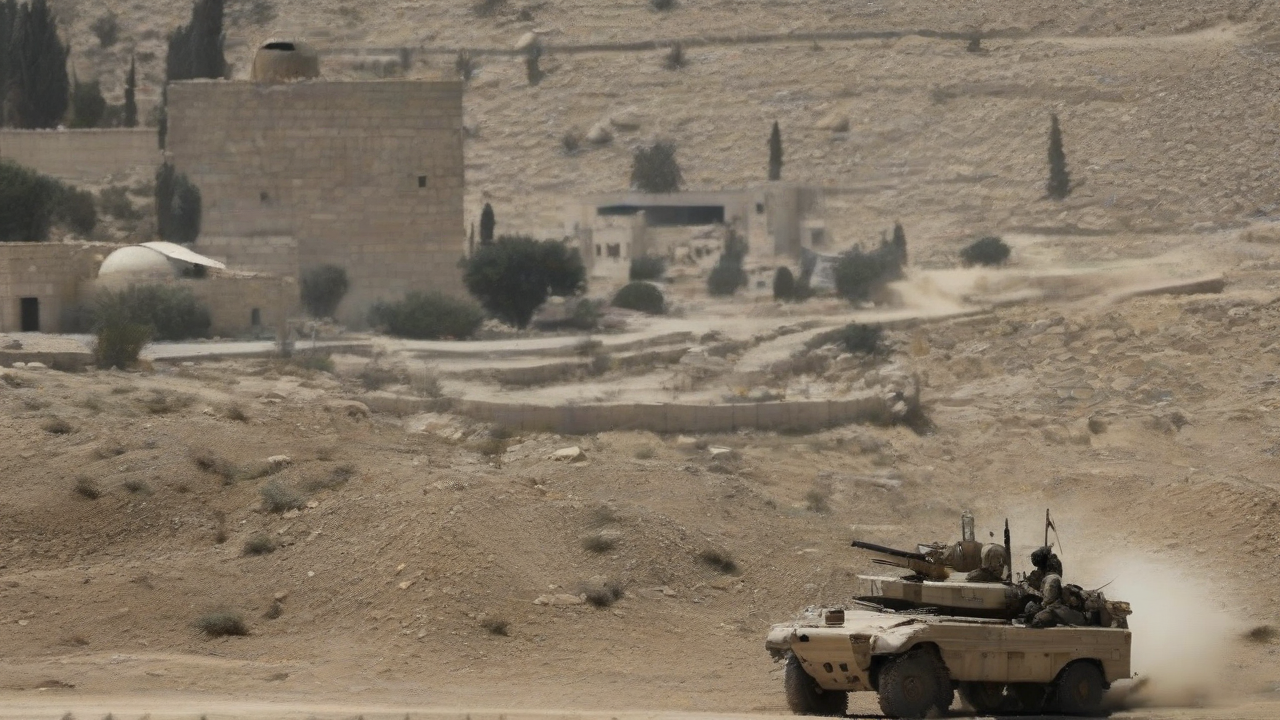
The conflict between Israel and Iran has intensified, with Israel increasing its military campaign in Lebanon, according to reports from Yahoo News. This escalation comes as Iran continues to exert control over shipping lanes, particularly in the Strait of Hormuz, a critical waterway for global oil trade. The situation has drawn international attention, with the United States and other NATO countries being pressured by former President Trump to assist in opening the strait, as reported by The New York Times.
Regional Implications and Global Concerns
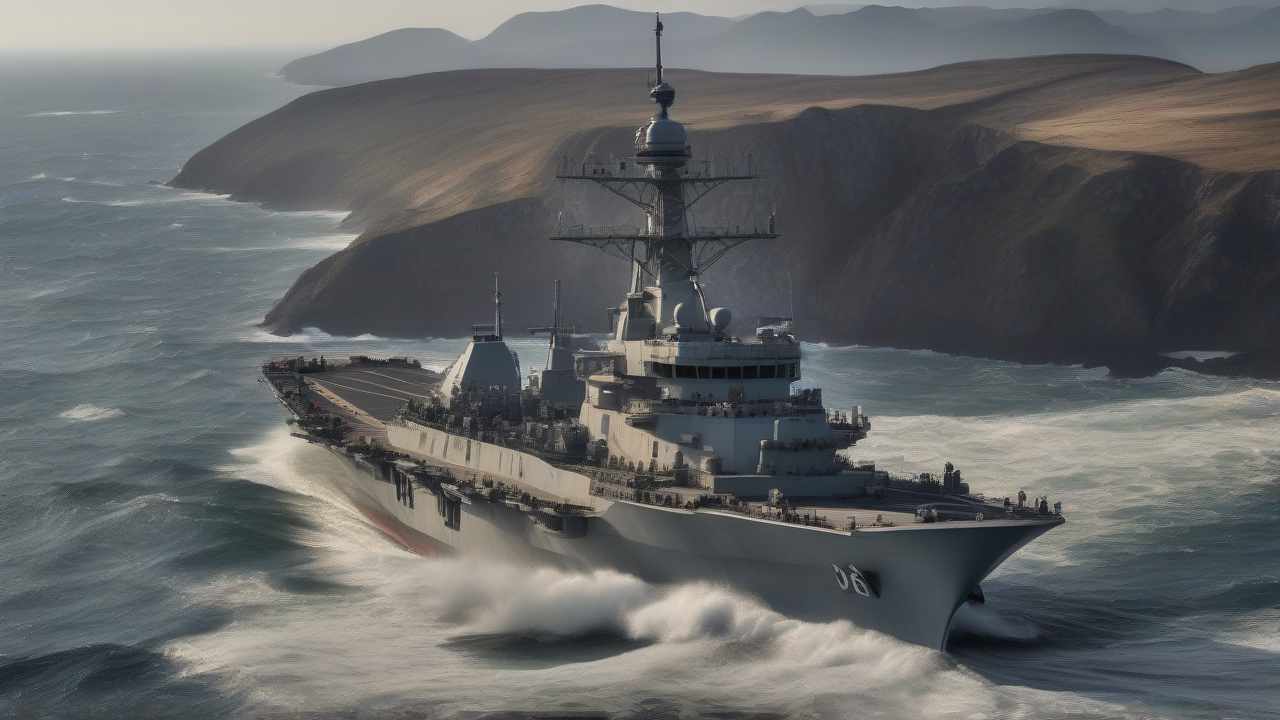
Analysts note that the ongoing conflict has significant implications for the region and the world at large. The Strait of Hormuz, which connects the Persian Gulf to the Gulf of Oman, is a vital passage for international oil shipments. Iran’s stranglehold on this waterway has the potential to disrupt global energy supplies, leading to economic instability. Observers point out that the involvement of the US and NATO countries in efforts to reopen the strait underscores the global stakes of this conflict. As reported by the Institute for the Study of War in their special report on March 15, 2026, the situation is complex and multifaceted, involving various international players and interests.
Environmental and Humanitarian Concerns
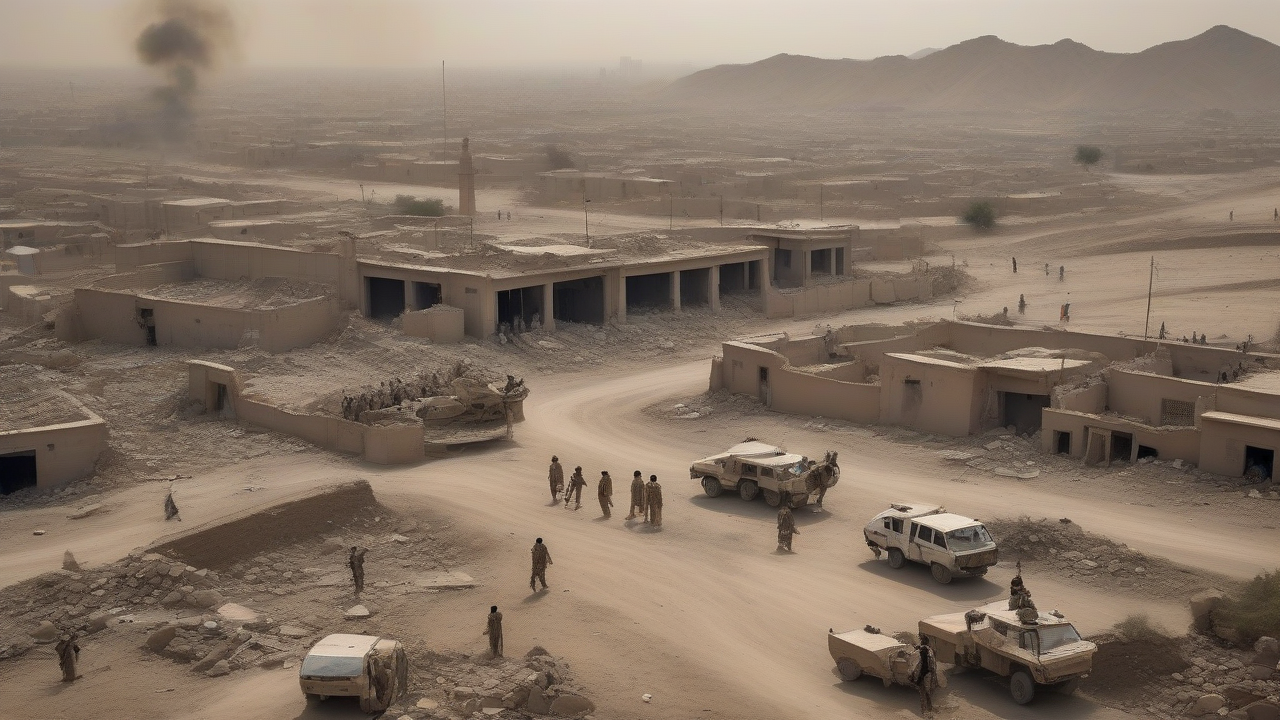
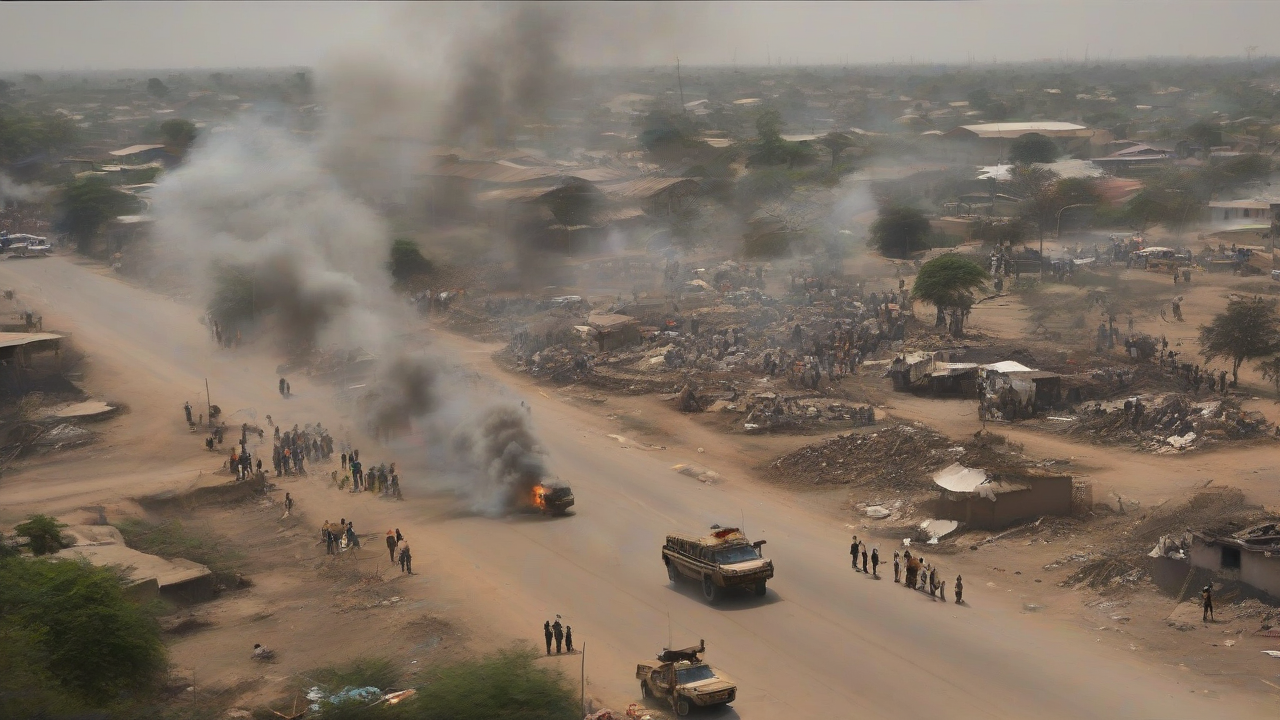
The conflict has also raised environmental and humanitarian concerns. The Iranian foreign minister has denounced Israeli strikes on fuel depots as “ecocide,” highlighting the potential for long-term environmental damage, as reported by The Guardian. This accusation comes as the world watches the situation unfold, with many calling for a peaceful resolution to avoid further escalation and humanitarian crises. Al Jazeera’s coverage of the conflict on day 17 of the US-Israel attacks provides insight into the ongoing developments and the impact on civilians.
International Response and Future Developments
As the situation continues to evolve, the international community is closely watching the responses of major powers. The pressure from former President Trump on China and NATO countries to help open the Strait of Hormuz indicates a growing concern over the potential economic and political fallout of the conflict. Analysts suggest that the next steps taken by these countries will be crucial in determining the trajectory of the conflict and its global implications. According to sources, the coming days will be critical, with potential developments including increased diplomatic efforts, further military actions, or shifts in the positions of key international players.
What to Watch Next
In the coming weeks, several key developments are expected to unfold. The response of China and NATO countries to the calls for assistance in reopening the Strait of Hormuz will be closely monitored. Additionally, any changes in the military strategies of Israel, the US, or Iran could significantly impact the conflict’s direction. The humanitarian situation, particularly in Lebanon and Iran, will also be a focus of international attention, with observers watching for signs of escalation or de-escalation. As reported by various news outlets, including Yahoo News and The New York Times, the situation remains fluid, and ongoing coverage will provide updates on these critical issues.
Reader Comments