
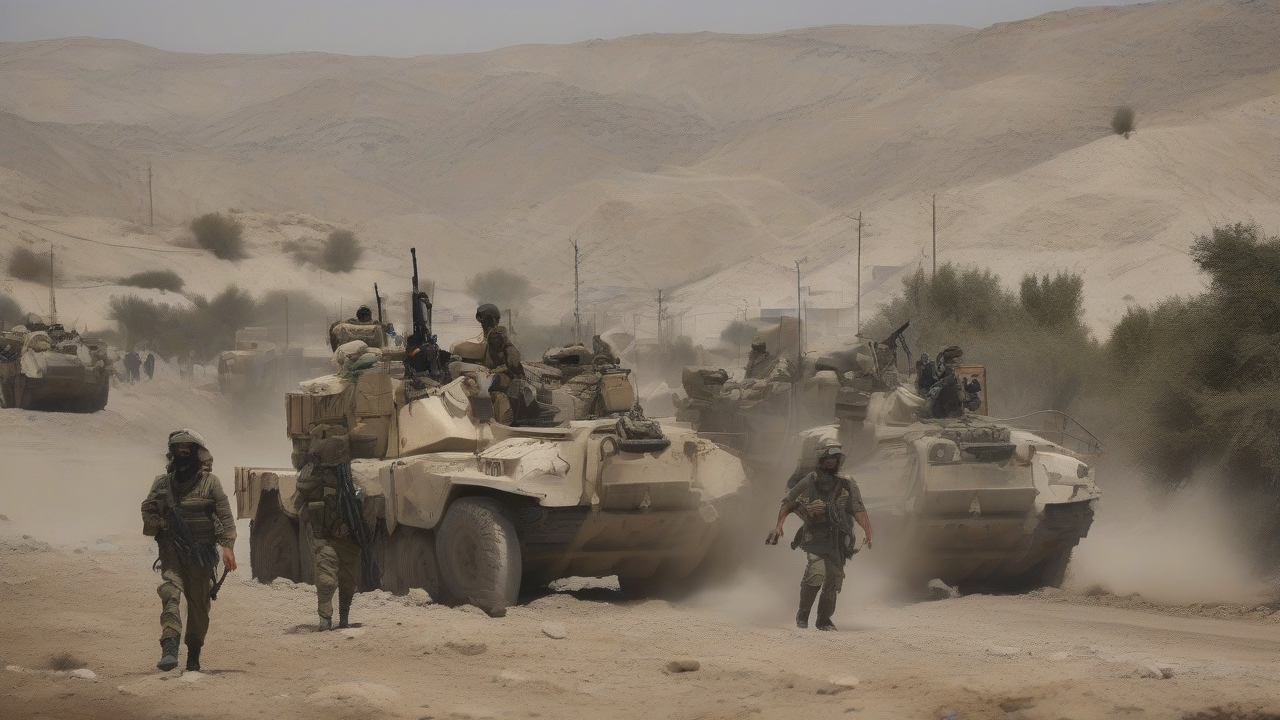
Escalating Tensions in the Middle East
The recent escalation of conflict between Israel and Iran has brought to the forefront a complex web of geopolitical interests, with Israeli Prime Minister Benjamin Netanyahu at the center. According to reports from The New York Times, Netanyahu’s long-standing stance against Iran has led to a war that, while aligning with his goals, is unfolding under terms set by the United States, particularly during the Trump administration.
A Shift in Dynamics
Analysts note that the dynamics at play are multifaceted, involving not just the direct conflict between Israel and Iran, but also the broader implications for the region and the global community. The killing of top Iranian nuclear scientists, as reported by The Guardian, marks a significant escalation in hostilities. Observers point out that such actions are likely to have far-reaching consequences, potentially destabilizing the already volatile Middle East.
Political Implications
The move signals a critical test for Netanyahu on the political front, as hopes for regime change in Iran appear to be fading, according to BBC reports. Netanyahu’s stance on Iran has been a cornerstone of his political career, and the current situation presents both opportunities and challenges. Experts suggest that while Netanyahu may achieve short-term gains, the long-term implications of the conflict could pose significant political risks.
Global Perspectives
As reported by Bloomberg, Netanyahu himself has stated that there is no guarantee of regime change in Iran following the conflict. This admission underscores the complexity of the situation and the uncertain outcomes that lie ahead. The international community is watching closely, with many nations expressing concern over the escalating violence and its potential to spark a wider conflict.
Impact on the Region
The stakes are high, with the conflict affecting not just Israel and Iran, but also neighboring countries and the global economy. The impact on regional stability is a pressing concern, with analysts warning of potential spill-over effects, including the displacement of people, economic disruption, and the empowerment of extremist groups.
Looking Ahead
As the situation continues to unfold, several key developments are worth watching. The response of the international community, particularly the United States and European nations, will be crucial in determining the trajectory of the conflict. Additionally, the actions of other regional players, such as Saudi Arabia and Turkey, could significantly influence the outcome. According to sources, the coming weeks will be pivotal in shaping the future of the Middle East, with decisions made now likely to have lasting impacts on the region and beyond.
Broader Implications
The conflict between Israel and Iran is not occurring in a vacuum; it is part of a larger geopolitical landscape that includes historical tensions, religious conflicts, and competitions for regional dominance. Understanding the deeper context of this conflict, including the historical grievances and current ambitions of the parties involved, is essential for grasping why this war matters and what its potential consequences might be. As reported by various news outlets, including The New York Times and The Guardian, the situation is complex and multifaceted, requiring a nuanced and informed approach to fully comprehend its implications.

Reader Comments