
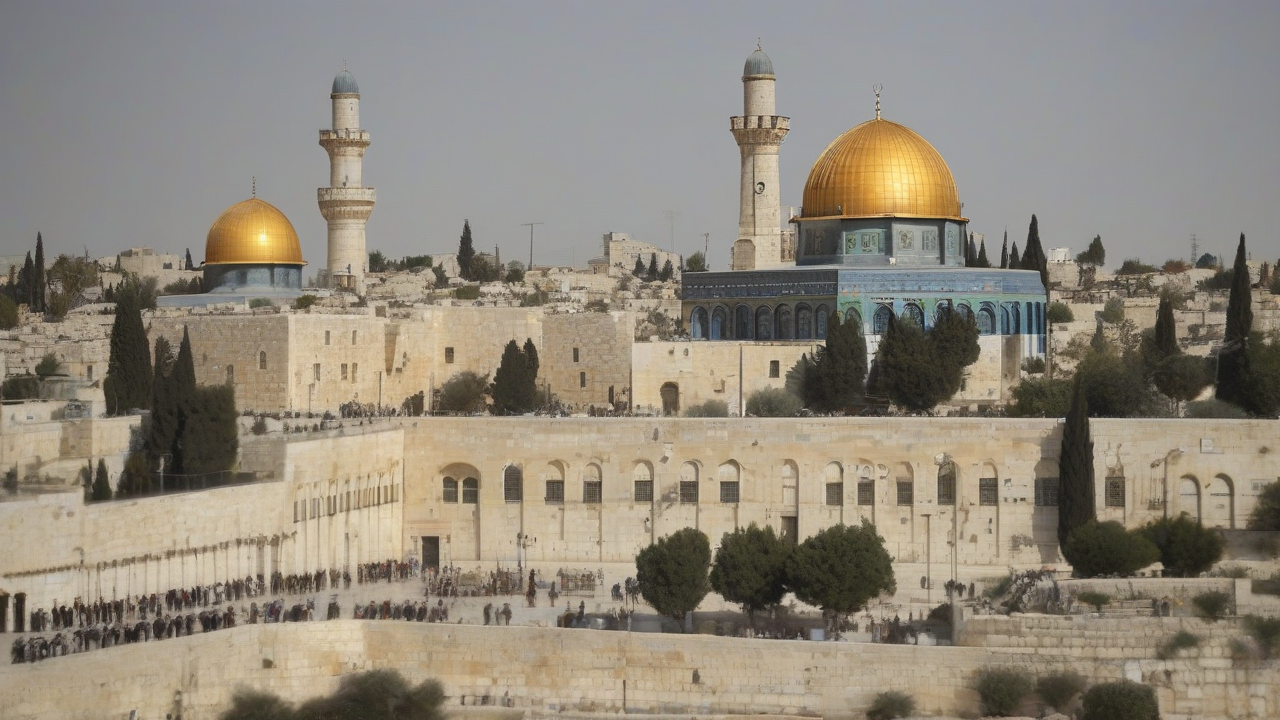
Rising Tensions in the Middle East
A recent decision by Israel to close the Al-Aqsa Mosque has sparked widespread condemnation from eight Arab and Islamic countries, including the United Arab Emirates, as reported by Al Jazeera. This move, coming during the holy month of Ramadan, has been met with strong criticism from various nations and organizations, who view it as a provocative act that could escalate tensions in the region.
A Complex and Sensitive Issue
Analysts note that the closure of the Al-Aqsa Mosque is a highly sensitive issue, given the site’s significance in Islam and its location in the heart of Jerusalem, a city considered holy by Jews, Muslims, and Christians alike. The move has been justified by Israeli authorities as a necessary measure to ensure safety during a time of heightened tensions and ongoing conflicts, according to The New York Times. However, observers point out that such actions are likely to be perceived as an infringement on religious freedom and could have far-reaching implications for regional stability.
International Reactions and Concerns
The condemnation from Arab and Islamic countries reflects a broader concern about the potential consequences of Israel’s actions. As reported by The Times of Israel, these countries have expressed solidarity with the Palestinian people and have called for the immediate reopening of the mosque. The Middle East Eye has characterized the closure as “an act of war,” highlighting the deep-seated tensions and historical grievances that underpin the Israeli-Palestinian conflict. Meanwhile, watchdog groups, such as those cited by JNS.org, have criticized certain claims regarding Israeli restrictions on Al-Aqsa, underscoring the complexity and contentious nature of the issue.
Why It Matters
The situation surrounding the Al-Aqsa Mosque is not just a local or regional issue but has global implications, given the significance of Jerusalem to international relations and peace efforts. Experts emphasize that any actions perceived as disrespectful to religious sites or as undermining the status quo in the city could lead to widespread unrest and potentially destabilize the entire region. The move also comes at a time when the Middle East is already grappling with numerous challenges, including ongoing conflicts, political upheavals, and humanitarian crises.
Impact and Stakes
The closure of the Al-Aqsa Mosque affects not only the local Muslim community but also has broader implications for interfaith relations, regional security, and international diplomacy. As tensions rise, there are concerns about potential clashes between Israeli security forces and Palestinian protesters, which could lead to casualties and further exacerbate the situation. The international community is watching closely, with many calling for restraint and a return to dialogue to resolve the underlying issues peacefully.
Looking Ahead
In the coming days and weeks, observers will be closely monitoring the situation for any signs of escalation or de-escalation. Key developments to watch include any statements or actions from Israeli and Palestinian leaders, reactions from the international community, and the potential for protests or violence in and around Jerusalem. As reported by various news outlets, including Al Jazeera and The New York Times, the situation remains volatile, with the closure of the Al-Aqsa Mosque serving as a stark reminder of the deep-seated challenges and sensitivities that continue to plague the Middle East. According to sources, the next steps taken by all parties involved will be crucial in determining the trajectory of this critical situation.

Reader Comments