
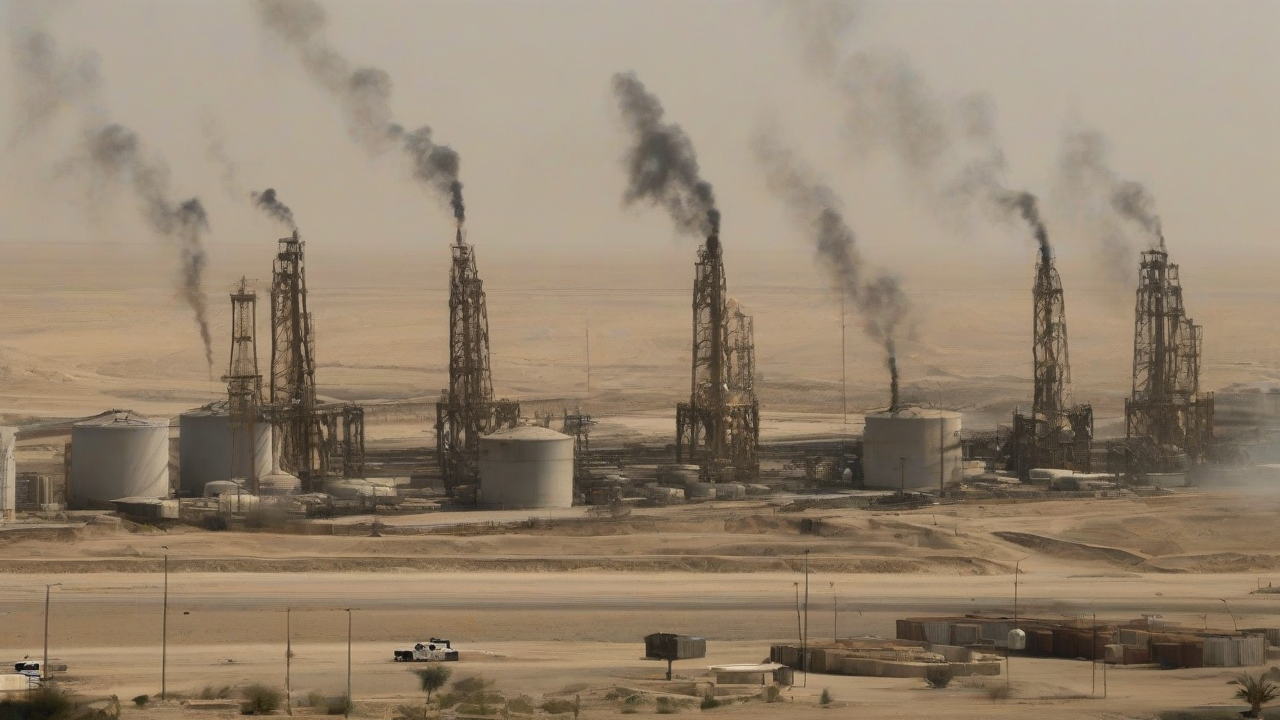
Rising Tensions in the Persian Gulf
A recent surge in attacks on oil tankers has prompted Iraq to take drastic measures, closing its oil terminals in response to the escalating violence, as reported by The New York Times. This move comes as part of a broader effort to protect the country’s vital energy infrastructure from the growing threat of Iranian aggression. Analysts note that the situation in the region is becoming increasingly volatile, with Iran warning of potential oil price spikes to $200 per barrel, according to CNBC.
A Growing Pattern of Attacks
The number of ships targeted in the Persian Gulf continues to climb, with 16 vessels attacked to date, as documented by The New York Times. Observers point out that this trend signals a significant escalation in the conflict between Iran and its adversaries, with energy targets becoming an increasingly focal point of the attacks. The use of Iranian drone boats and sea mines has been reported by Al Jazeera, further complicating the situation and raising concerns about the safety of maritime traffic in the region.
Implications for Global Energy Markets
The closure of Iraq’s oil terminals has significant implications for global energy markets, as the country is a major oil producer. Experts warn that the disruption to oil supplies could have far-reaching consequences, including price increases and potential shortages. The BBC reports that Iran is stepping up its attacks on energy targets, which could further exacerbate the situation. As the conflict continues to unfold, analysts are closely watching the situation, anticipating potential further disruptions to the global energy supply chain.
Humanitarian Concerns
The attacks on oil tankers have not only significant economic implications but also raise serious humanitarian concerns. The deadly attack that prompted Iraq to close its oil terminals is a stark reminder of the human cost of the conflict. According to sources, the attack resulted in loss of life, highlighting the need for urgent action to de-escalate the situation and prevent further bloodshed. The international community is calling for restraint and diplomacy to resolve the conflict peacefully.
What to Watch Next
As the situation in the Persian Gulf continues to evolve, several key developments are expected in the coming days. The international community is awaiting a response from Iran to the closure of Iraq’s oil terminals, which could potentially lead to further escalation. Meanwhile, observers are watching for any signs of diplomatic efforts to resolve the conflict, which could provide a glimmer of hope for a peaceful resolution. With the global energy market hanging in the balance, the world is closely monitoring the situation, eager to see how the conflict will unfold and what the consequences will be for the global economy.
Reader Comments