
Escalating Tensions in the Middle East
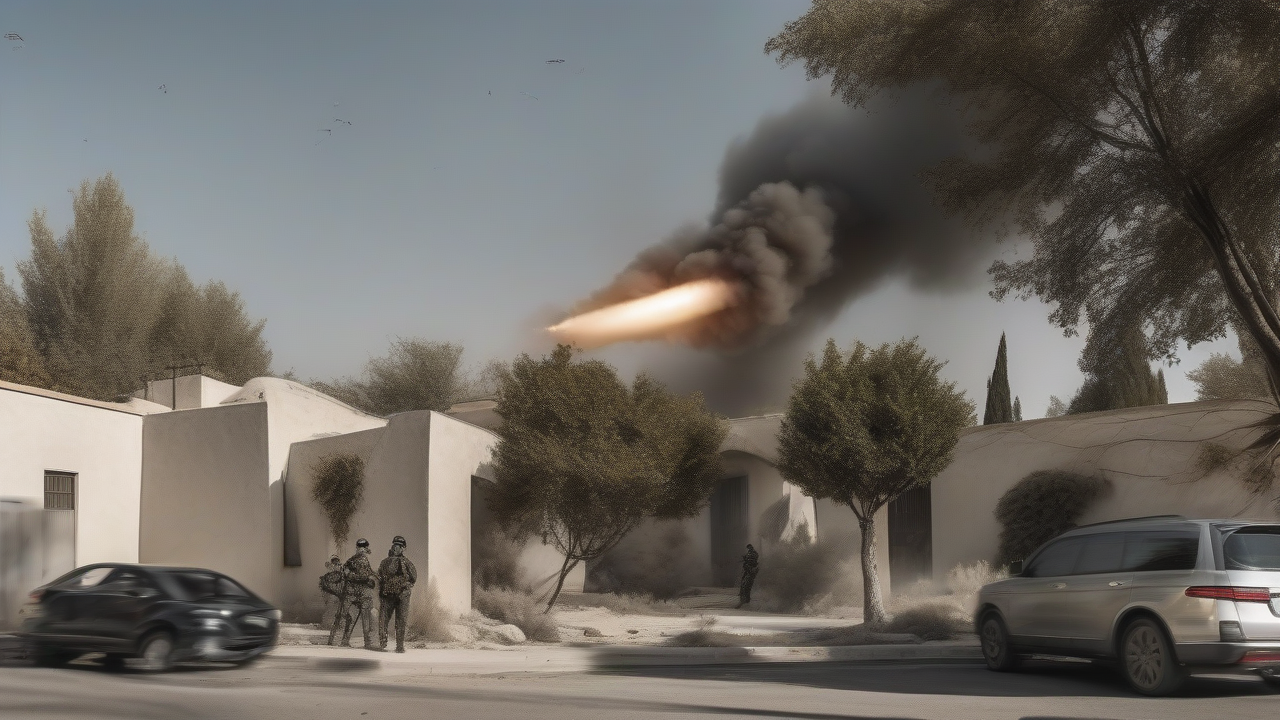
A fragment of an Iranian missile has struck the US consul residence in Israel, according to reports from The Jerusalem Post and Reuters, marking a significant escalation in the ongoing conflict between Iran and Israel. This incident comes amidst a series of ballistic missile attacks from Iran, which have resulted in injuries and damage to property in central Israel.
Context and Implications
Analysts note that the use of cluster munitions by Iran is posing a considerable challenge to Israel’s air defense systems, as reported by CNN. Cluster munitions are weapons that release multiple smaller bomblets over a wide area, increasing the potential for damage and casualties. The deployment of such munitions signals a potentially more aggressive stance by Iran, which could have far-reaching implications for regional stability and global security.
Impact on the Ground
Observers point out that the latest attacks have led to sirens sounding across central Israel, with emergency services confirming shrapnel hits and injuries. As reported by The Times of Israel, at least two people have been injured in the latest ballistic missile attack. The fact that a fragment of an Iranian missile has hit the US consul residence building in Israel underscores the gravity of the situation and the potential for further escalation.
Broader Implications
The move by Iran to launch ballistic missiles into Israel, and the subsequent hitting of the US consul residence, is seen by many as a provocation that could draw in other international actors. Experts indicate that such actions could lead to a wider conflict, involving not just Israel and Iran, but potentially other countries in the region and beyond. The international community is watching the situation closely, with many calling for de-escalation and a return to diplomatic efforts to resolve the conflict peacefully.
What to Watch Next
As the situation continues to unfold, all eyes will be on the responses from Israel, the US, and other international actors. Upcoming decisions by these parties will be crucial in determining the trajectory of the conflict. Key dates and developments to watch include any potential military responses, diplomatic initiatives, and statements from world leaders. According to sources, the next few days will be critical in assessing whether the conflict will escalate further or if there will be a move towards de-escalation and peace talks.
Regional and Global Concerns
The conflict between Iran and Israel has significant regional and global implications. Analysts warn that an escalation could lead to a broader conflict, involving other countries in the Middle East and potentially drawing in global powers. The use of ballistic missiles and cluster munitions increases the risk of civilian casualties and damage to infrastructure, which could have long-term consequences for the region. As reported by various news outlets, including The Jerusalem Post and Reuters, the international community is urging restraint and calling for a peaceful resolution to the conflict.
Ongoing Developments
The situation remains fluid, with ongoing developments and updates expected in the coming days. As more information becomes available, it will be crucial to assess the responses of all parties involved and the potential for further escalation or de-escalation. For now, the incident involving the Iranian missile fragment hitting the US consul residence in Israel serves as a stark reminder of the volatile nature of the conflict and the need for urgent diplomatic efforts to prevent further violence.

Reader Comments